How to Use RV Leveling Blocks
Blocks are simple enough that nobody explains them, which is exactly why people crack them, sink them and drive off leaving them behind.
Heads up: this page contains affiliate links. If you buy through one, Camp & Chock may earn a commission at no extra cost to you. It never changes which product we put first — how this site is funded.
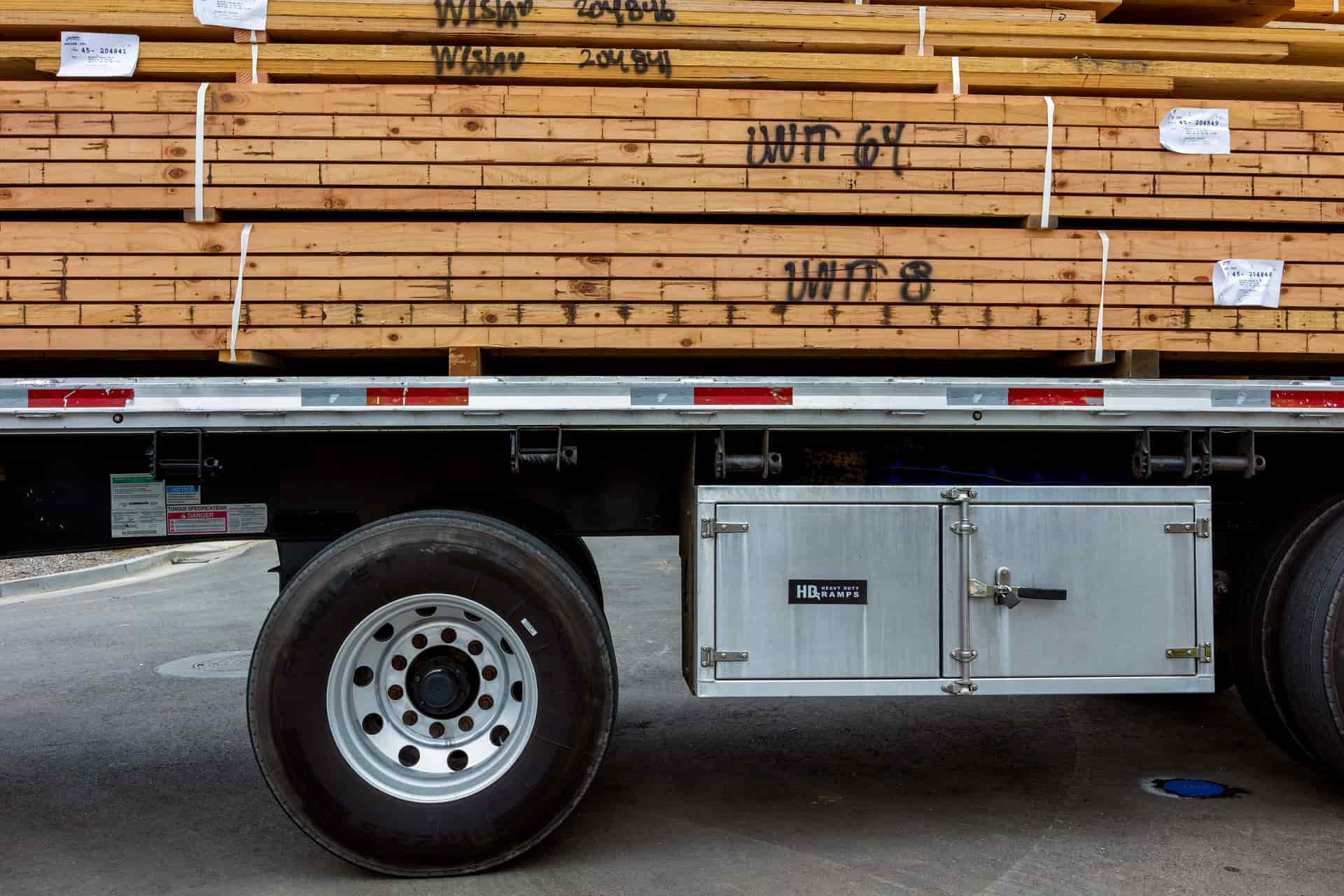
Interlock the blocks, build a ramp rather than a step, drive on until the whole tire is supported, and lay them wide rather than high on soft ground. That is the entire technique. Everything below is why each part matters.
Part of our leveling and chocks guide. If you are still deciding what to buy, the blocks roundup comes first.
Interlock them, always
The molded pegs on the top and recesses on the bottom exist so a stack behaves as one object. Press them together until they seat. A stack that is merely piled up can shuffle sideways as a tire rolls onto it, and the top block shooting out from under a moving wheel is the one genuinely alarming thing that happens in this category.
Build a ramp, not a wall
If you want two inches of lift, do not put two blocks in a neat pile. Lay one block flat in front, then the two-high stack behind it, so the tire climbs a stair. Otherwise you are asking the tire to climb a vertical face, which needs far more throttle than you want to use three feet from your own trailer.
This is also the single biggest cause of blocks cracking. A tire slamming into the edge of a block loads it at exactly the angle it was not designed for.
Support the whole tire
The tread needs to be entirely on the block, front to back and side to side. A tire with its shoulder hanging over an edge is loading the sidewall, and sidewalls are the part of a tire you protect.
Get out and look the first few times. The view from the driver's seat is not good enough to judge this, and there is no prize for guessing.
On soft ground, go wide
This is the rule that changes outcomes most. A two-high stack puts the trailer's weight through a footprint the size of a single block. On wet grass, it goes in.
Laying two blocks side by side and driving onto both spreads the same weight over twice the area. If you need lift as well as area, build the wide base first and stack on top of it. Wide-footprint block sets exist precisely for this, and they are covered in the roundup.
Pads under the jacks are a separate job
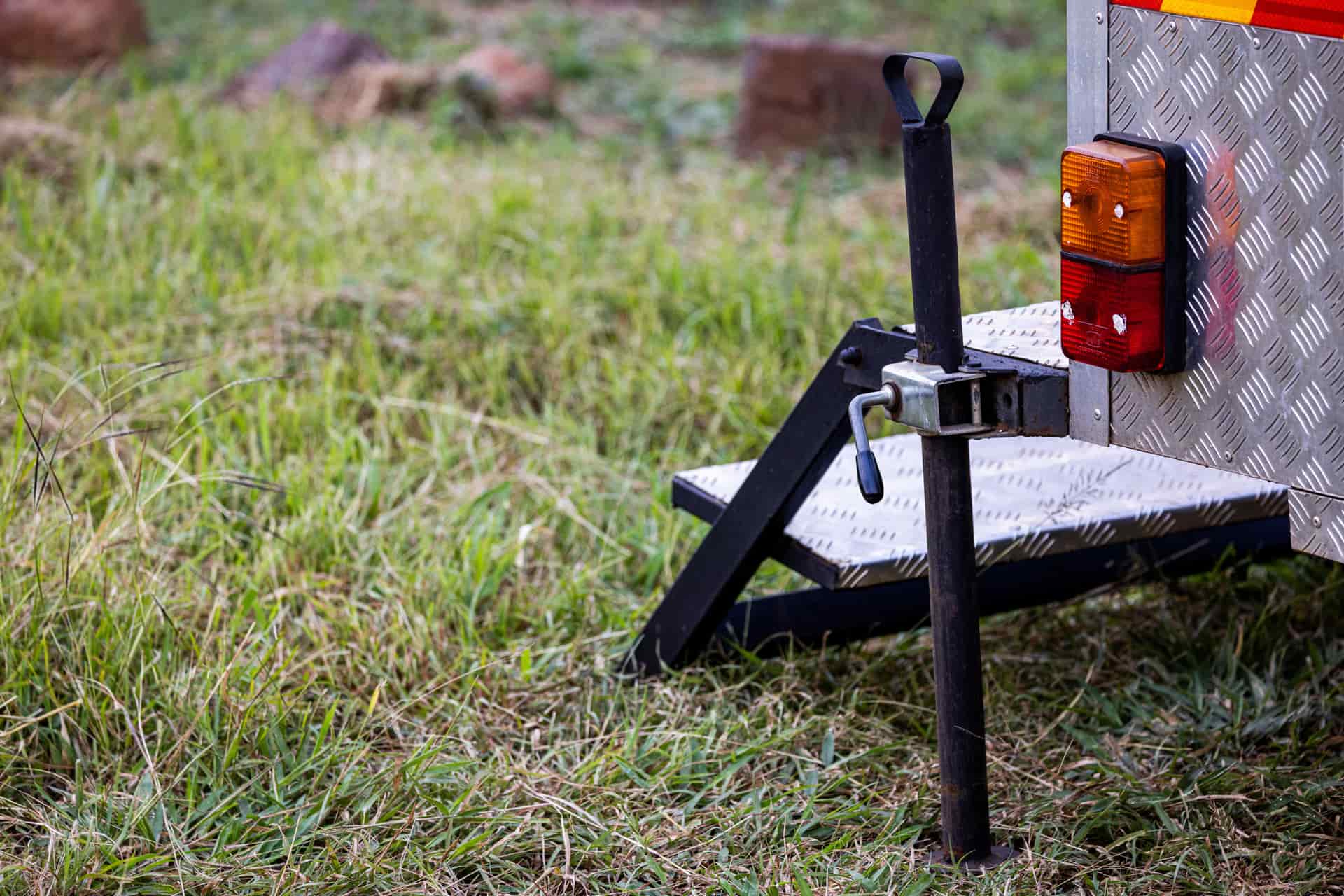
Once the trailer is level and unhitched, the stabilizer jacks and the tongue jack come down onto very small feet. Those want pads, not leveling blocks — a pad is wider and thinner, and it is designed to be squashed into the ground rather than driven onto.
The three things this job needs
Blocks for the tires, pads for the jack feet, and a bag so you leave with as many blocks as you arrived with.
Best for Most first trailers
Camco FasTen Leveling Blocks (10-pack)
The default first purchase for a travel trailer: interlocking blocks you stack into a ramp, cheap enough to buy two sets.
Best for Stopping jacks sinking
Camco Stabilizing Jack Pads
Four squares of plastic that stop your stabilizer jacks burying themselves in a wet grass site overnight.
Best for Not losing blocks
Camco Leveling Block Storage Bag
A bag, honestly. But the reason people lose leveling blocks is that they never had anywhere to put them.
Getting them back
Drive off the blocks before you try to pick them up. Blocks under a loaded tire are wedged in place, and pulling at them is how people break a finger.
Then count them. The reason everyone eventually owns an odd number of leveling blocks is that a stack was left under a wheel in a site they have already driven out of. A bag with a known capacity makes the gap visible.
Questions people actually ask
Which way do leveling blocks go?
Lay them so the tire drives onto the stack from the flat side, with the lower layer extending forward as a ramp. The interlocking pegs face up so the next block seats onto them.
Do I drive onto leveling blocks or jack the trailer up?
Drive onto them. The trailer is leveled side to side by rolling onto blocks while still hitched, not by lifting it. Stabilizer jacks are never used to lift a trailer.
Can leveling blocks be used under stabilizer jacks?
You can put a block under a jack foot in a pinch, but purpose-made jack pads are wider and better suited. Blocks are designed to be driven onto, pads are designed to spread a jack's point load.
Why do my leveling blocks keep cracking?
Almost always because the tire is hitting the edge of the stack rather than climbing a ramp, or because the stack is three or more high and twisting under load. Build a stair and keep the stack low.
Can I leave leveling blocks under the wheels long term?
For a weekend, yes. For long-term storage, it is better to take the weight off blocks and onto level ground or proper stands, and to check tire pressures, since a tire sitting in one position for months will flat-spot regardless.
Sources
Read next
Leveling & Chocks
How Many Leveling Blocks Do I Need?
Block counts by axle setup, how to estimate lift from a bubble reading, and when more blocks is the wrong answer.
Leveling & Chocks
How to Level a Travel Trailer (Step by Step for Beginners)
The full arrival sequence for leveling a towed trailer, in the order that means you only do it once.
Leveling & Chocks
Best RV Leveling Blocks for a First Travel Trailer
Interlocking blocks, curved levelers and jack pads compared for someone leveling a trailer for the first time.
Reviewed September 25, 2026. Spot something out of date? Tell us and we will fix it.