What Not to Buy for Your First RV
Nine purchases that look sensible in week one and disappoint by month three — with the cheaper, safer, or simply later thing to buy in each case.
Heads up: this page contains affiliate links. If you buy through one, Camp & Chock may earn a commission at no extra cost to you. It never changes which product we put first — how this site is funded.

The short answer
Skip the cheap plastic pressure regulator, the 10-foot sewer hose, the basic surge protector, anything you would improvise leveling out of, and every year-three gadget the forums recommend. Then take the money you did not spend and put it into one good electrical management system — the only item on a first-season list that stands between an unknown campground pedestal and every appliance you own.
This is the companion to our first-season shortlist, and part of the starter kit guide. The shortlist says what to buy. This page is the other half of the same advice, and in practice it is the half that saves more money: what to not buy, and why each of these looks like a good idea right up until you use it.
Nothing here is on the list because it is a bad product. Most of these are perfectly good items being bought at the wrong time, in the wrong size, or for the wrong job.
The four tests behind every wasted purchase
Before the list, the reasoning — because a rule you can apply yourself beats nine examples you have to memorize. A first-season purchase goes wrong when it fails one of these:
- Does it protect against a repair you cannot absorb? If yes, buy the good one now. This is a very short list, and almost everything on it is electrical or plumbing.
- Will you use it at every single site, or at some sites? Every-site items earn a better version. Some-site items can wait until you know whether you are the some.
- Does it fit every rig, or does it have to be matched to yours? Anything requiring a measurement, an amperage, or a tongue weight is not a shopping-list item. Get it specified, then buy it.
- Is the cheap version so annoying that you will stop using it? A safety device you remove in frustration protects nothing. This is the test people never think to apply, and it is the one that catches the pressure regulator below.
1. A cheap plastic water pressure regulator
A pressure regulator itself is mandatory — campground water pressure is unregulated and RV plumbing is not built for the top of that range. What to skip is specifically the inexpensive plastic inline version, and the reason is test four above.
The plastic type sets a single fixed, fairly low pressure with no adjustment. It protects the plumbing perfectly well and it also drops your flow to something closer to a trickle. What happens next is predictable: the shower is miserable, the regulator comes off, and nobody puts it back on. A device sitting in a storage bin has a protection rating of zero.
Buy instead: an adjustable brass regulator. It costs modestly more, holds a pressure you can actually live with, and therefore stays installed — which is the entire point. Our pressure regulator roundup covers the options.
2. A 10-foot sewer hose
This one is purely a sizing mistake, and it is the most common single purchase people replace inside their first month. Ten feet reaches the site connection at some campgrounds. Twenty feet reaches at nearly all of them.
The failure mode is unusually unforgiving: there is no workaround for a hose that will not reach. You cannot improvise, you cannot stretch it, and you generally discover the problem at the end of a trip when the tank is full. The price difference between the two lengths is small enough that buying the short one has essentially no upside.
Buy instead: a 20-foot kit, with a clear elbow so you can see when the tank has actually finished draining. See what size sewer hose you need for the full reasoning, and skip the hose roundup straight to the 20-foot picks.
3. A basic surge protector, when the fault that costs money is low voltage
The cheap device absorbs a voltage spike. That is a real fault and it is not the one that damages RVs most often.
The expensive fault is low voltage — a busy campground on a hot afternoon with everyone running air conditioning. Motors draw more current to do the same work as voltage sags, and that is what quietly destroys an air conditioner compressor. A basic surge protector watches for the spike and passes a brownout straight through to your appliances.
An electrical management system monitors the supply continuously and disconnects the trailer when voltage leaves a safe band. Progressive Industries publishes a cutoff band for its portable units of roughly 104 volts at the low end and 132 at the high end — a specification worth reading on the manufacturer’s own page rather than taking from a review site.
Buy instead: an EMS matched to your service. This is the one place on this entire page where we would tell you to spend more rather than less. The difference between the two device types is laid out in surge protector versus EMS.
4. Anything improvised for leveling
Scrap lumber and cinder blocks both come up constantly, and they are not equivalent. Scrap wood is merely inconsistent. Cinder blocks are a genuine hazard: they are engineered for vertical compression inside a wall, not for point loading under a tire, and they fail by cracking suddenly rather than by sagging first.
Purpose-made interlocking blocks are among the cheapest items in the whole category, which makes this a strange place to improvise. The interlock is the part doing the real work — it stops a stack shuffling apart sideways under the tire as you drive up.
Buy instead: a ten-pack of interlocking blocks, and a wider footprint if your sites are soft. What people describe as blocks cracking is nearly always blocks sinking. Detail in leveling blocks versus wood and the blocks roundup.
5. A weight distribution hitch bought from a list
Not a skip so much as a category error. Weight distribution is not an accessory purchase, it is a towing setup matched to your actual tongue weight and tow vehicle.
Buying one because it was recommended, without knowing your numbers, produces a setup that is either ineffective or actively worse than nothing — and unlike most mistakes on this page, this one is a safety matter rather than a money matter. If your rig needs one, it needed one before you drove home from the dealer, and the dealer should have specified it.
Do instead: have it specified by someone who can see the rig. Our weight distribution guide explains how the matching works and what the numbers mean, so you can have that conversation properly rather than guessing.
6. A powered dehumidifier for winter storage
A small electric dehumidifier is a genuinely good appliance and the wrong tool for the months that matter most. It needs shore power and a tank somebody empties. A trailer parked in a yard from October to April has neither.
Damp does its worst damage precisely when nobody is there — unheated, sealed, no air exchange, moisture settling into soft furnishings under mattresses where you find it in spring.
Buy instead: two or three disposable hanging absorbers spread through the trailer, which need no power at all and work untouched for months. Buy the powered unit later if you turn out to camp in cold, damp weather on hookups. The split is covered in the dehumidifier roundup.
Worth saying: before buying any of them, open the interior doors and cupboards and lift the mattresses off their bases. Air exchange beats absorption, and it is free.
7. A second sewer hose, a macerator, or tank sensor upgrades
All three solve real problems. None of them are your problems yet, and that distinction is the whole of this page.
A second hose matters when you routinely park far from the connection. A macerator matters when you need to pump uphill or through a long narrow run. Sensor upgrades matter when your factory sensors have been fouled by a season of bad tank habits — which, if you keep the valves closed and dump with a full tank, will not happen. Good tank habits prevent the problem that the sensor upgrade treats.
8. Novelty campsite gear
Storage in a travel trailer is genuinely scarce, and every object you own has to earn its volume. A decorative item with no function is a storage problem with a bow on it.
The honest test: would you carry this if you had to pick it up and move it every weekend? Because you do.
9. The RV-branded version of an ordinary product
Some RV-specific products are genuinely different and worth their price. Many are an ordinary product with a markup attached to the letters R and V.
Toilet paper is the clearest case. The property you need is dissolve speed, and rapid-dissolving supermarket tissue has it — while also being restockable in any town mid-trip, which specialist tissue often is not. The RV-branded version really does break down faster, and that margin earns its price in a small cassette toilet and essentially nowhere else. The comparison is on the toilet paper page.
The general rule: ask what physical property the RV version actually changes. If there is a specific answer, it may be worth it. If the answer is only “it says RV on it,” it is not.
What to buy instead
The four replacements that between them cover the most expensive mistakes above. The EMS is the one worth spending properly on; the other three are cheap and simply the right version of something you were going to buy anyway.
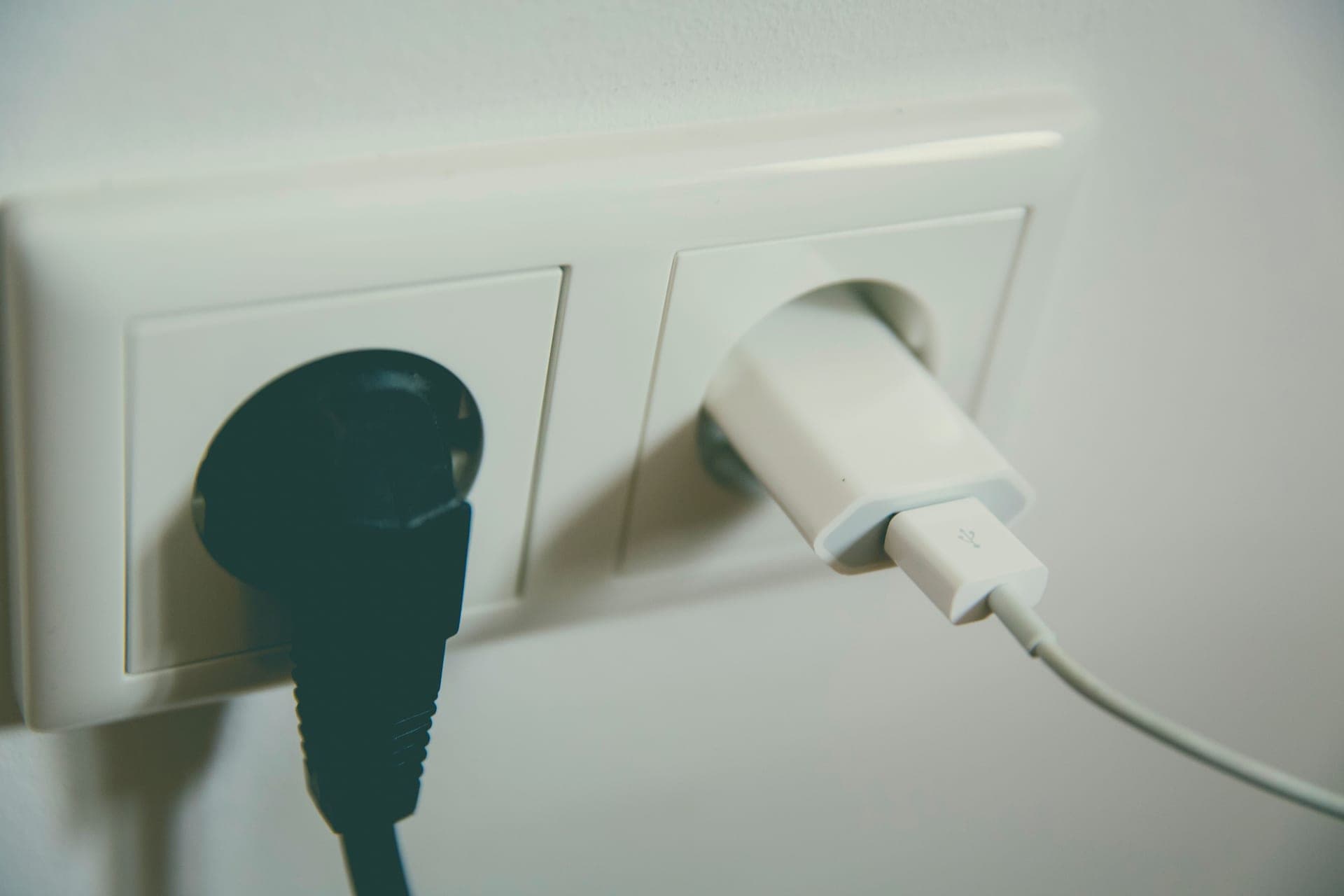
Best for 30-amp rigs, no compromise
Progressive Industries EMS-PT30X Portable EMS (30 amp)
A full electrical management system rather than a surge protector: it watches voltage and wiring and cuts power before a bad pedestal reaches your rig.
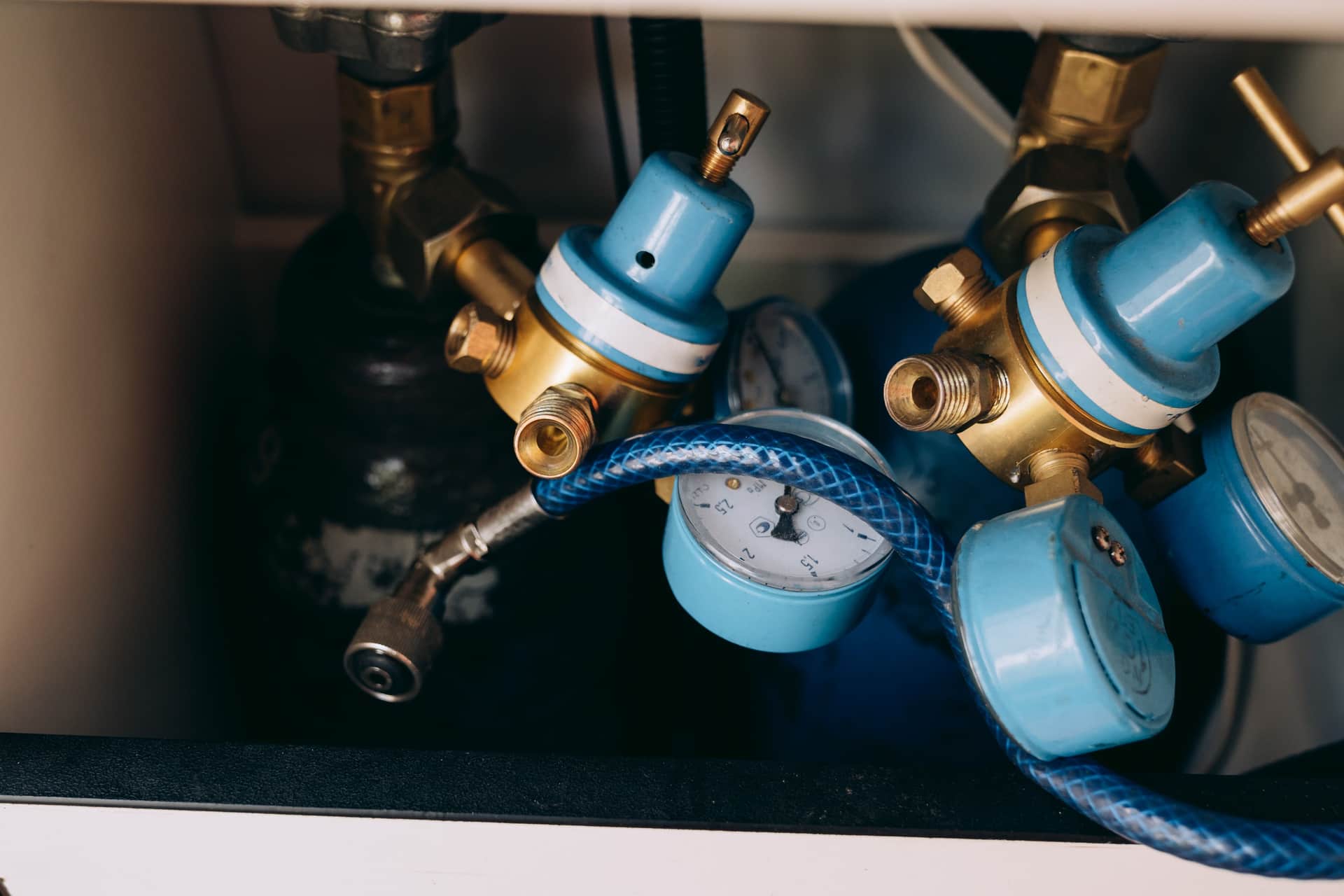
Best for The cheapest thing that prevents the worst damage
Camco Brass Water Pressure Regulator
The cheapest single item that prevents the most expensive damage. Fixed preset, brass body, screws on in four seconds.
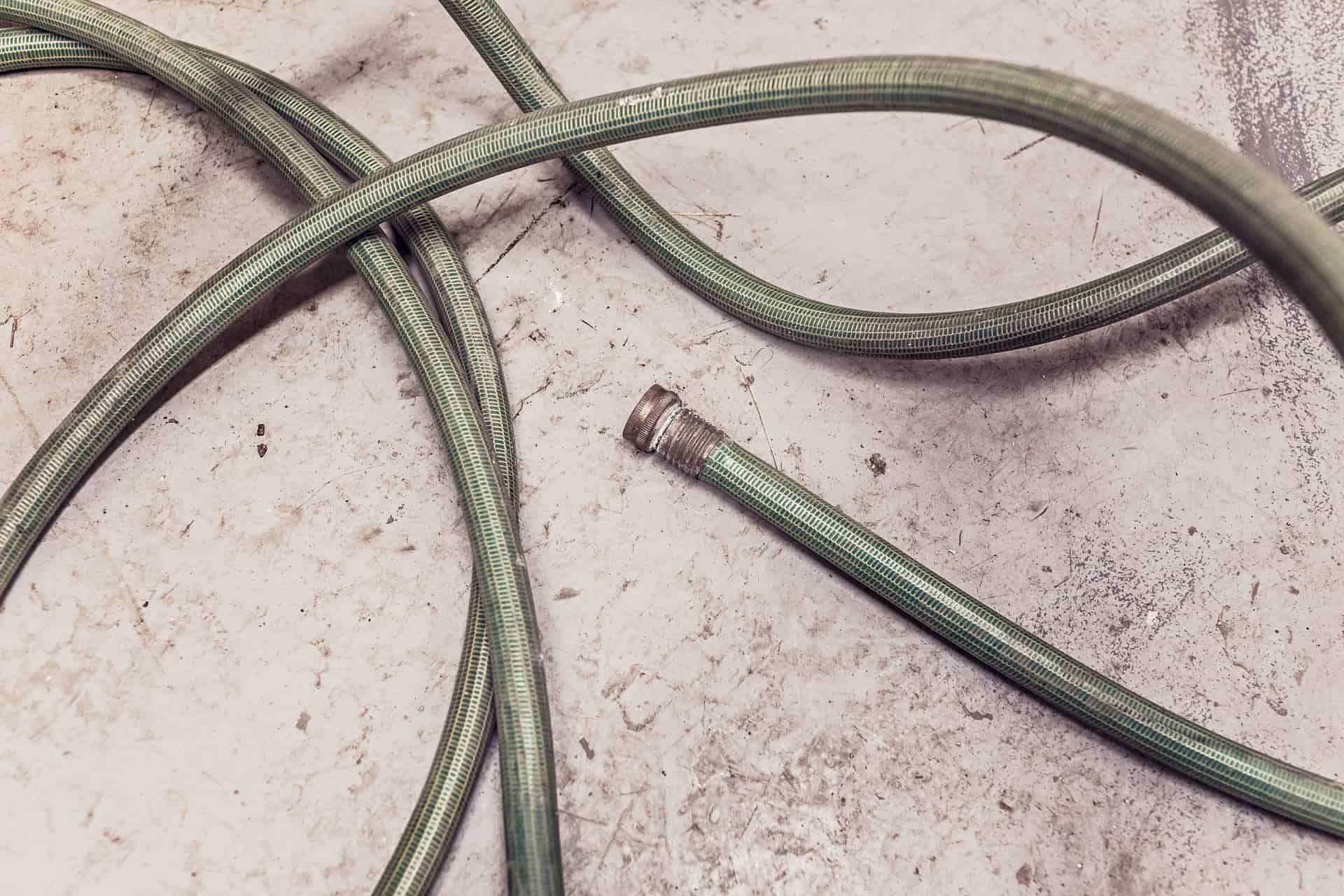
Best for The first sewer hose to own
Camco RhinoFLEX 20-Ft Sewer Hose Kit
The complete first kit: 20 ft in two sections, both fittings, and a clear elbow so you can see when the tank is actually done.

Best for Cheap winter storage insurance
DampRid Hanging Moisture Absorber
The cheapest storage insurance there is: hang two or three through the trailer in October and forget about them.
Where the money actually goes
We do not publish prices anywhere on this site — they change constantly and a stale number is worse than none — so this is in brackets rather than figures. The shape of a first-season budget is lopsided in a way that surprises people:
Rough weight of a first-season accessory budget
| Category | Share of the budget | Where to be careful |
|---|---|---|
| Electrical protection | By far the largest single item | Buy the better device once. Match the amperage |
| Sewer and water hookup | Modest, all of it necessary | Right length, brass regulator, nothing fancy |
| Leveling and chocks | Small | Do not improvise. Buy wider if ground is soft |
| Consumables and small tools | Small, and the most-used items you own | Underbought by almost everyone |
| Towing hardware | Varies, sometimes zero | Specified by a person, not chosen from a list |
The pattern worth internalizing: the expensive category is the one people try to economize on, and the cheap category is the one people forget entirely. Gloves, a decent headlamp, a clear elbow and a step rug cost very little between them and get used on literally every trip.
What to read next
If you have not already, the must-haves shortlist is the positive version of this page — the same reasoning, pointed at what to actually put in the cart. The essentials checklist is the printable form, and bundled kits versus buying separately answers the question this page raises most often.
Questions people actually ask
What is the biggest waste of money for a new RV owner?
Buying a cheap version of the one item that protects against a four-figure repair. A basic surge protector absorbs a voltage spike but passes low voltage straight through to your appliances, and low voltage at a busy campground is the fault that actually destroys air conditioner compressors.
Do I need a water pressure regulator for my RV?
Yes, always. Campground water pressure is unregulated and RV plumbing is not built for the top of that range. What to avoid is the cheap plastic fixed version specifically, because it reduces flow to a trickle, so people remove it and never reinstall it. An adjustable brass one stays installed, which is the point.
Can I use cinder blocks or wood to level my travel trailer?
Do not use cinder blocks. They are engineered for vertical compression inside a wall, not point loading under a tire, and they crack suddenly rather than sagging first. Scrap wood is not dangerous in the same way but is inconsistent. Purpose-made interlocking blocks are among the cheapest items in the category, so there is little reason to improvise.
Should I buy a weight distribution hitch for my first trailer?
Only if it has been specified for your actual tongue weight and tow vehicle, and in that case it should have been specified before you towed the trailer home. It is a towing setup rather than an accessory purchase, and an unmatched one can be worse than none, so it is not something to choose from a list.
Is RV-specific gear worth the extra cost?
Sometimes. Ask what physical property the RV version changes. If there is a specific answer, like faster dissolve speed in a holding tank or a drinking-water-safe hose lining, it may be worth it. If the only answer is that it says RV on the packaging, it is not.
What do new RV owners underbuy?
Consumables and small tools. Disposable gloves, a good rechargeable headlamp, a clear sewer elbow and a step rug cost very little between them and get used on every single trip, and almost nobody buys enough of them while agonizing over bigger-ticket items.
Sources
Read next
First-Season Starter Kit
RV Must-Haves for Beginners
The first-season shortlist, ordered by when you need each item: leaving the lot, arriving, hooking up, the first night, the first dump.
First-Season Starter Kit
Best RV Starter Kit for a New Travel Trailer
Bundled starter kits versus buying the six hookup pieces separately, for a first travel trailer.
Power & Surge Protection
RV Surge Protector vs EMS: What the Cheaper One Misses
The clearest explanation of surge-only versus full electrical management, and which faults each one actually catches.
Sewer & Water
What Size RV Sewer Hose Do I Need?
Sewer hose length and diameter settled, with a table matching site layouts to the length you will actually need.
Reviewed October 1, 2026. Spot something out of date? Tell us and we will fix it.