Best RV Water Filter
Sediment is what clogs your faucet screens and taste is what ruins your coffee. Here is which filter handles which, and what neither of them is for.
Heads up: this page contains affiliate links. If you buy through one, Camp & Chock may earn a commission at no extra cost to you. It never changes which product we put first — how this site is funded.
The short answer
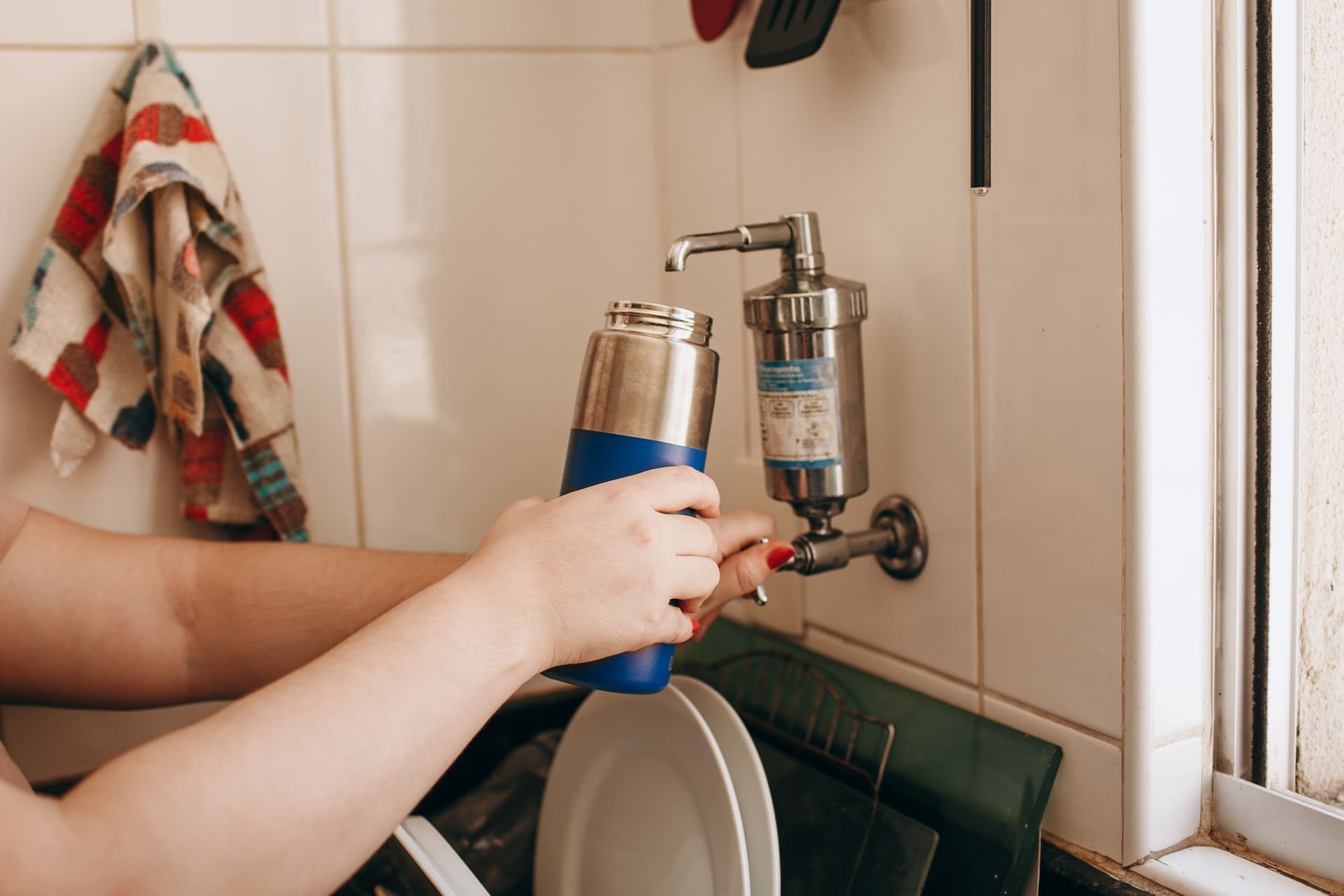
If you camp more than a few weekends a year, buy a canister filter with a replaceable cartridge — it handles sediment better and costs less after the first season. If you camp occasionally, the disposable inline filter screws on, improves the taste, keeps grit out of your faucets, and is completely adequate.
Part of our sewer and water guide. A filter goes on after the pressure regulator, which is the more important of the two purchases.
Our picks at a glance
Tap any row to jump to the full write-up.
| # | Product | Best for | Beginner fit | Price |
|---|---|---|---|---|
| 1 | Camco EVO Premium RV Water FilterA proper canister with a replaceable cartridge: better on sediment than the throwaway inline filters, and cheaper after season one. | Filtering that earns its housing | Good | |
| 2 | Camco TastePURE Inline RV Water FilterThe one most people start with: screws on, improves the taste, keeps grit out, and gets thrown away at the end of the season. | The simple first filter | Strong | |
| 3 | 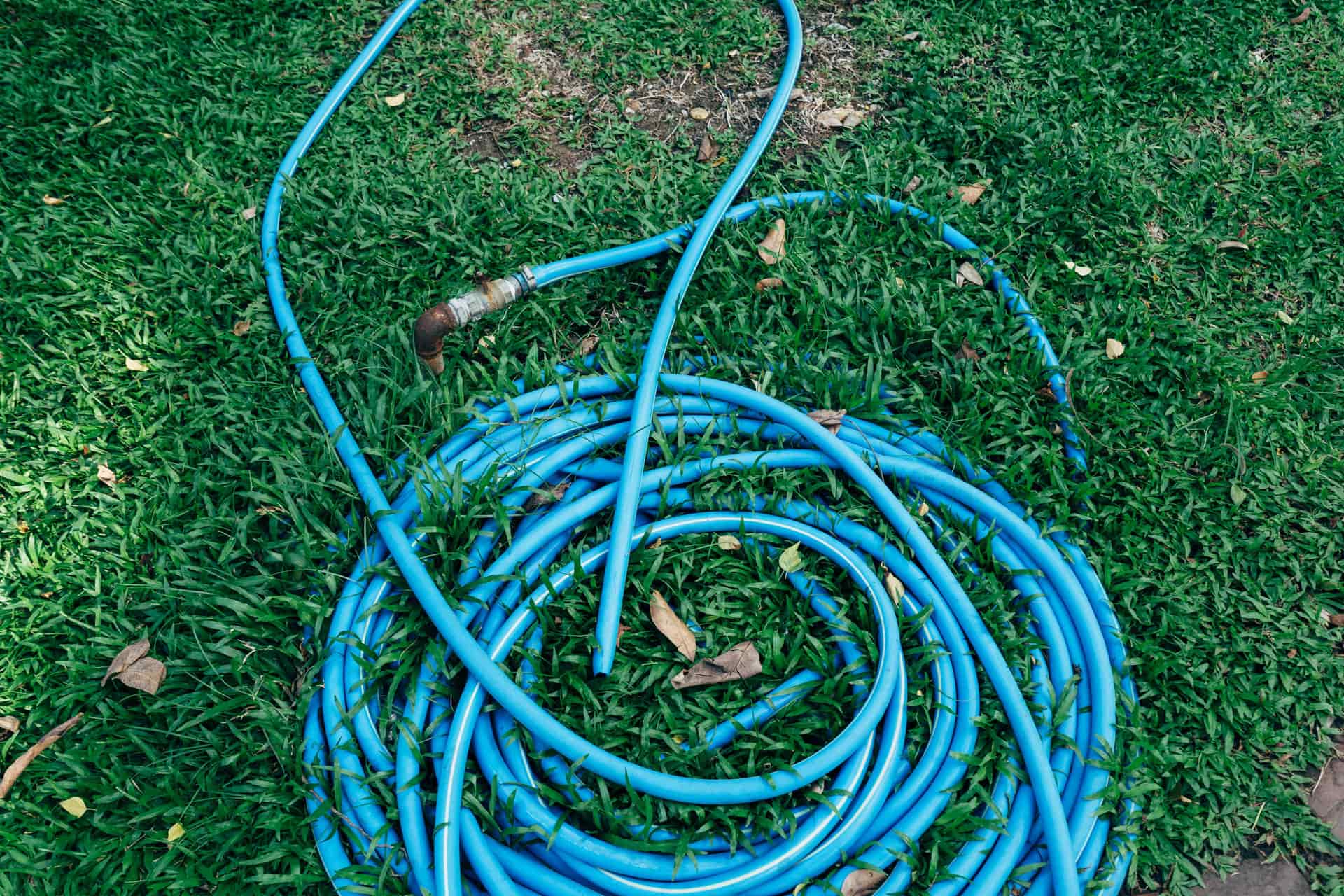 Camco TastePURE Drinking Water Hose (25 ft)The correct part rather than an upgrade: a drinking-water-rated hose, in white so it never gets mixed up with the sewer gear. | The default fresh water hose | Strong | |
| 4 | 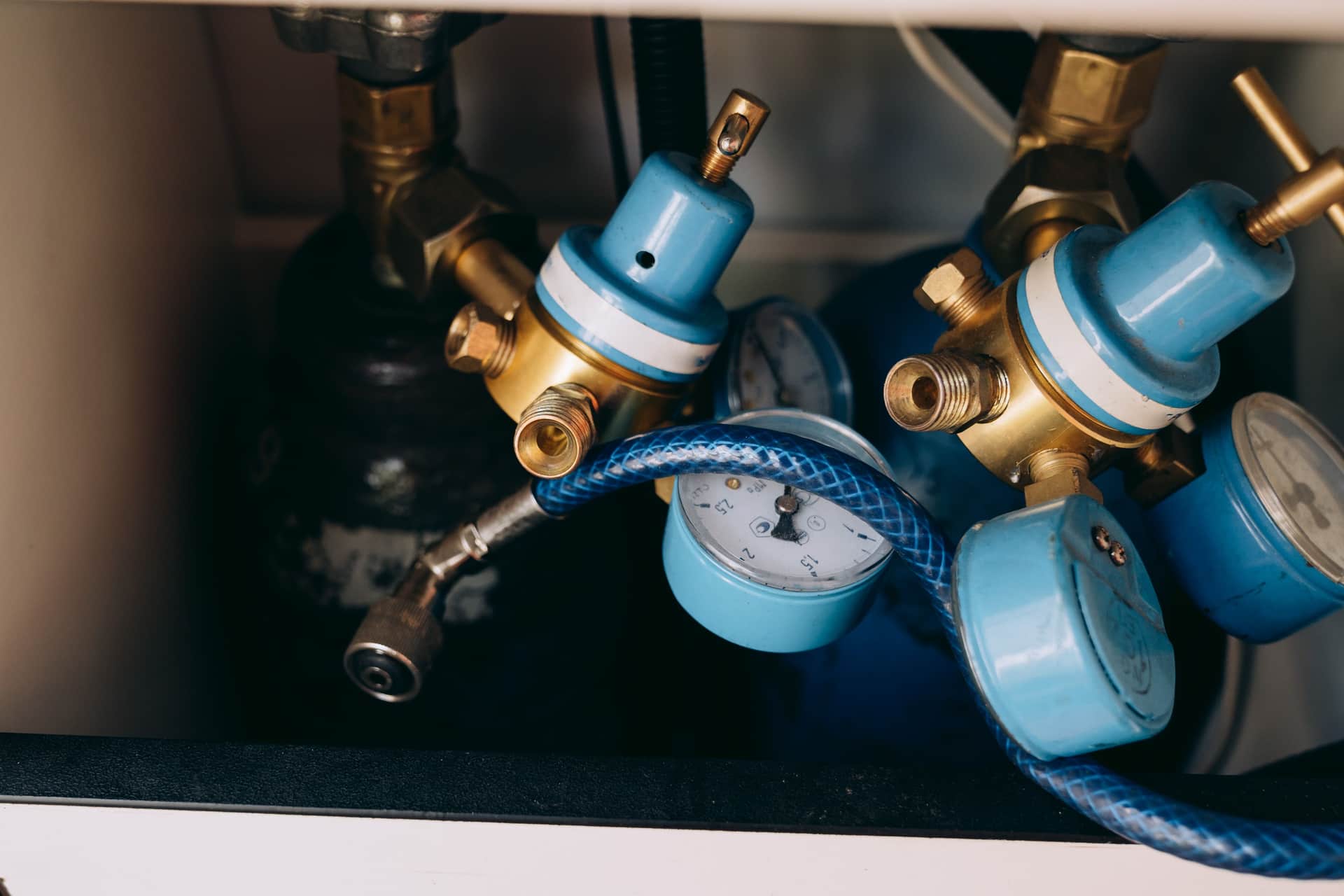 Camco Brass Water Pressure RegulatorThe cheapest single item that prevents the most expensive damage. Fixed preset, brass body, screws on in four seconds. | The cheapest thing that prevents the worst damage | Strong |
Prices are not published here. They change constantly and a stale number is worse than no number, so every button goes straight to the current Amazon listing. #ad — these are affiliate links and photographs are stock images of the category, not of the individual product.
What these filters actually do
Two things reliably, and it is worth being clear about the boundary.
Sediment. Sand, grit, rust particles and scale from the park's pipework. This is the practical win: sediment is what clogs faucet aerators, jams toilet valves and shortens the life of your water pump.
Taste and odor. Carbon media reduces chlorine taste, which is why the water at a park you previously found unpleasant becomes drinkable.
What a standard RV filter is not is a purifier. It is not designed to make unsafe water safe, and it should not be relied on for that. If you have reason to doubt a supply, do not filter it and hope — the CDC publishes guidance on making water safe to drink, and the answer is usually not a hose filter.
The picks
1. Best for Filtering that earns its housing
Camco EVO Premium RV Water Filter
A proper canister with a replaceable cartridge: better on sediment than the throwaway inline filters, and cheaper after season one.
- Specification
- Inline canister with replaceable cartridge
- Specification
- Sediment and taste filtration
- Specification
- Standard hose thread
What it does well
- A replaceable cartridge instead of a disposable unit, so the running cost falls after the first season
- Handles sediment better than the small inline filters, and sediment is what clogs faucet screens
The real tradeoff
- Bulkier at the spigot, and it wants support so it is not hanging on the fitting
- Higher up-front cost
How it measures up
These are judgments from published specifications and what we see at the lodge, not laboratory results. How we choose.
- Beginner fit
- Good — One cartridge change to learn.
- Control
- Good — You choose the cartridge.
- Flow
- Good — Better than the small inline filters.
- Value
- Good — Wins over a season, loses on the first purchase.
Specifications from Camco.
2. Best for The simple first filter
Camco TastePURE Inline RV Water Filter
The one most people start with: screws on, improves the taste, keeps grit out, and gets thrown away at the end of the season.
- Specification
- Disposable inline filter
- Specification
- Screws between spigot and hose
- Specification
- Typically replaced each season
What it does well
- The cheapest way to stop tasting the campground and to keep grit out of your faucets
- No housing, no cartridge, nothing to assemble
The real tradeoff
- Disposable, so the cost repeats
- Clogs faster on genuinely sedimented water than a canister filter
How it measures up
These are judgments from published specifications and what we see at the lodge, not laboratory results. How we choose.
- Beginner fit
- Strong — Screw it on.
- Control
- Adequate — None.
- Flow
- Adequate — Restricts a little, and more as it clogs.
- Value
- Strong — Low entry cost. Buy the canister later.
Specifications from Camco.
3. Best for The default fresh water hose
Camco TastePURE Drinking Water Hose (25 ft)
The correct part rather than an upgrade: a drinking-water-rated hose, in white so it never gets mixed up with the sewer gear.
- Specification
- 25 ft
- Specification
- Drinking-water safe
- Specification
- White jacket, never confused with sewer gear
What it does well
- Drinking-water rated, which a garden hose is not. This is not an upgrade, it is the correct part
- White for a reason: you will never grab it thinking it is the sewer hose
- Twenty-five feet reaches the spigot at essentially every site
The real tradeoff
- Kinks if you coil it lazily
- Stiff in cold weather
How it measures up
These are judgments from published specifications and what we see at the lodge, not laboratory results. How we choose.
- Beginner fit
- Strong — A hose, in the right color.
- Control
- Adequate — Not applicable.
- Flow
- Good — Standard diameter, no surprises.
- Value
- Strong — Buy two: one for fresh water, one for tank rinsing.
Specifications from Camco.
4. Best for The cheapest thing that prevents the worst damage
Camco Brass Water Pressure Regulator
The cheapest single item that prevents the most expensive damage. Fixed preset, brass body, screws on in four seconds.
- Specification
- Brass inline regulator
- Specification
- Fixed preset pressure
- Specification
- Standard hose thread at both ends
What it does well
- Fits between the spigot and your hose in about four seconds and then protects the whole plumbing system
- Brass rather than plastic, so it survives being over-tightened and left on all season
- A fixed preset means there is nothing to get wrong
The real tradeoff
- You cannot adjust it and you cannot see what it is doing
- Fixed regulators restrict flow more than an adjustable one set higher
How it measures up
These are judgments from published specifications and what we see at the lodge, not laboratory results. How we choose.
- Beginner fit
- Strong — Screw it onto the spigot. There is no step two.
- Control
- Adequate — No adjustment and no gauge.
- Flow
- Adequate — Noticeably more restrictive than an adjustable unit.
- Value
- Strong — The best money-to-risk ratio on the whole site.
Specifications from Camco.
What to look for
Inline or canister
| Disposable inline | Canister with cartridge | |
|---|---|---|
| Up-front cost | Low | Higher |
| Running cost | A new unit each season | A new cartridge each season |
| Sediment handling | Adequate. Clogs faster | Better |
| Flow rate | Restricts, more as it clogs | Better sustained flow |
| Size at the spigot | Small | Bulky, wants support |
| Effort | None | One cartridge change to learn |
| Best for | Occasional weekends | Regular or full-season use |
The crossover point is roughly whether you use the trailer often enough to replace an inline filter more than once a year. If you do, the canister is cheaper and works better.
Support the weight
A canister filter full of water hanging off a threaded spigot connection is a lot of leverage on a brass fitting that belongs to the campground. Rest it on the ground, on a block, or use the bracket. This is the most common practical complaint about canister filters and it is entirely avoidable.
Replace the cartridge on schedule
A cartridge does not fail visibly. It clogs, flow drops, and eventually it stops doing the taste job while still restricting flow. Replace it on the manufacturer's schedule rather than when you notice a problem.
The practical trigger most people use is the start of each season, which is also when you should be sanitizing the fresh water tank.
Where it goes in the chain
Spigot, regulator, filter, hose, trailer. Regulator first so the filter is not working against unregulated pressure, and filter before the hose so the hose carries filtered water.
Mistakes first-timers make
Buying a filter instead of a regulator. If you can only buy one, buy the regulator. A filter improves your water. A regulator prevents a flood.
Leaving a used filter to freeze. A wet cartridge that freezes is finished, and the housing can crack. Drain and store it inside over winter.
Expecting it to purify. It reduces sediment and improves taste. It is not a treatment device for a suspect supply.
Running the filter on the rinse hose too. No need, and it wastes cartridge life. The rinse hose is for tanks and it does not need filtering.
Questions people actually ask
Do I need a water filter for my RV?
It is genuinely useful rather than essential. It keeps sediment out of your faucets, toilet valve and water pump, and it removes the chlorine taste that makes some park water unpleasant.
Inline or canister water filter: which should I buy?
Inline if you camp a handful of weekends a year. Canister if you camp often, because the replaceable cartridge is cheaper over a season and it handles sediment better.
How often should I change an RV water filter?
Follow the manufacturer's schedule rather than waiting for a symptom, since a clogging cartridge restricts flow long before it visibly fails. Most people change at the start of each season.
Does an RV water filter make unsafe water safe?
No. A standard RV filter reduces sediment and improves taste. It is not a purifier and should not be relied on to treat a supply you have reason to doubt.
Where does the filter go in the chain?
Spigot, then pressure regulator, then filter, then hose, then the trailer. The regulator goes first so the filter is not working against unregulated pressure.
Can I leave the filter connected over winter?
No. A wet cartridge that freezes is finished and the housing can crack. Drain it and store it inside.
Sources
Read next
Sewer & Water
Best RV Water Pressure Regulator
Fixed and adjustable pressure regulators compared, with the flow tradeoff explained and a pressure to aim for.
Sewer & Water
Best RV Fresh Water Hose
Drinking-water-safe hoses compared on length, flexibility and storage, plus why two hoses is the right answer.
Sewer & Water
How to Sanitize an RV Fresh Water Tank
The full tank sanitizing procedure with dilution guidance from an authority, plus the non-bleach alternatives.
Reviewed September 25, 2026. Spot something out of date? Tell us and we will fix it.