11 guides in this category
Towing and Security for Your First Camper Season
The gear that matters between the dealer lot and the campsite: seeing behind you, keeping the trailer attached, knowing about a tire before it fails, and still owning it in the morning.
Buy this first
TST 507 Tire Pressure Monitoring System
The only warning you get before a trailer tire fails, because a trailer gives you no feedback through the steering wheel.
Heads up: this page contains affiliate links. If you buy through one, Camp & Chock may earn a commission at no extra cost to you. It never changes which product we put first — how this site is funded.
Between the dealer lot and the campsite
Everything in this section happens while the trailer is attached to a vehicle or sitting somewhere unattended. Four concerns: seeing what is behind you, knowing about a tire before it fails, keeping the trailer attached to the truck, and still owning it in the morning.
This is also the section where the stakes are highest. A wrong leveling block is an inconvenience. A trailer tire that fails at highway speed does expensive damage to the side of the trailer, and a coupler that releases is a genuine emergency. The gear here is worth buying properly.
What to buy first
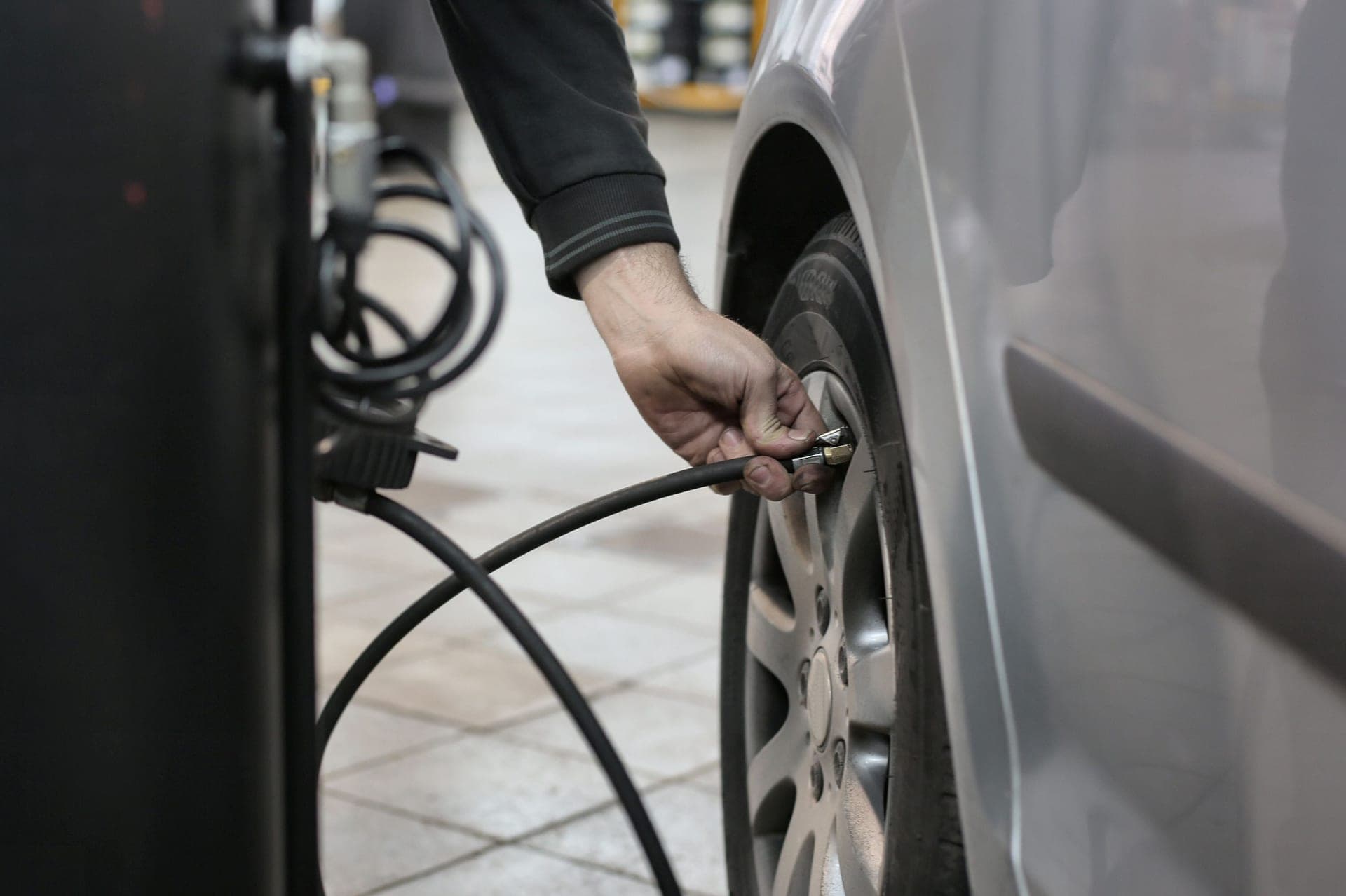
A tire pressure monitoring system. It is the least interesting purchase in this section and the one with the highest expected value: trailer tires fail more often than car tires, you cannot feel it happen from the cab, and a slow pressure loss is entirely detectable in advance. The TPMS roundup covers sensor counts and what matters.
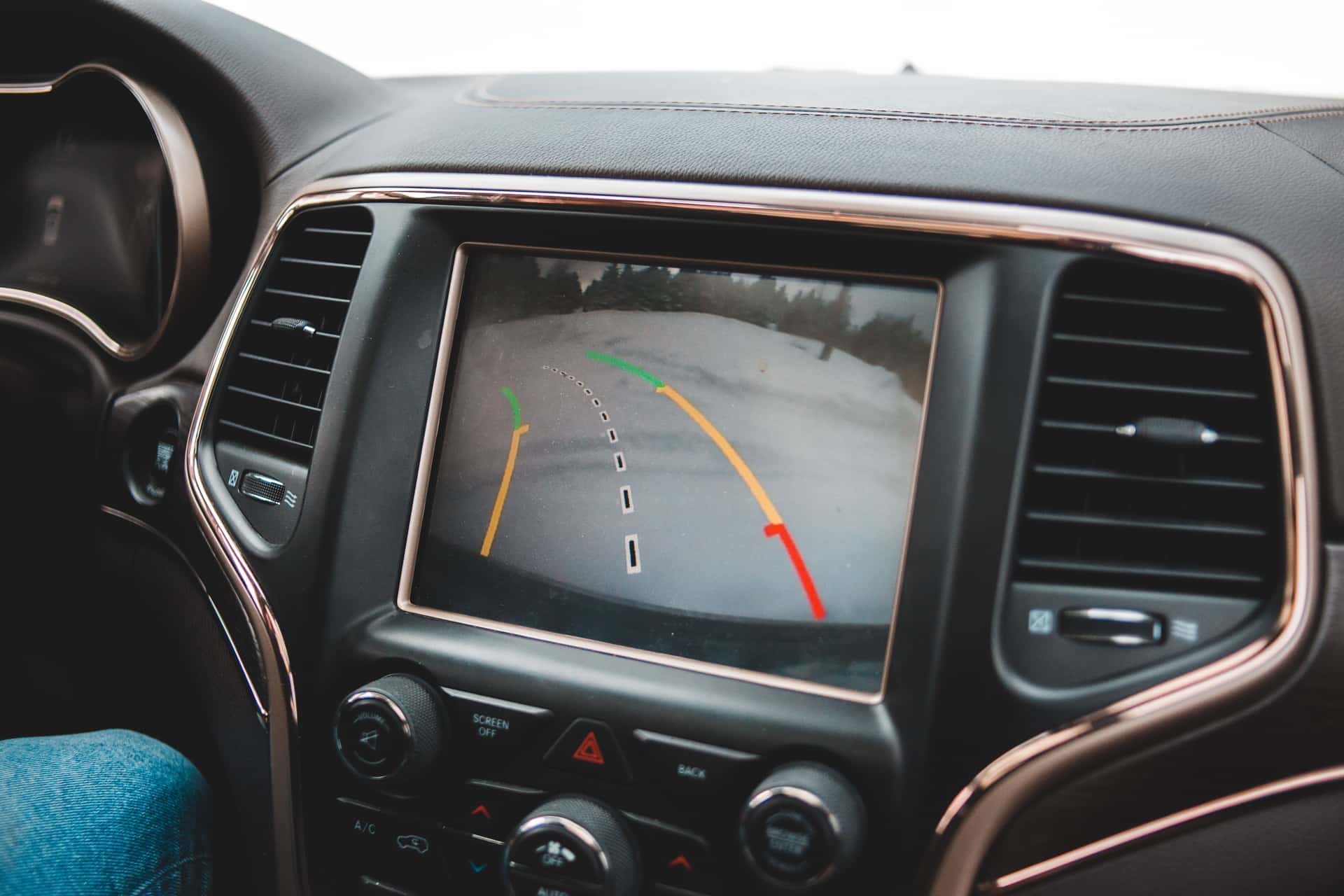
Second, a backup camera. A travel trailer removes your rear view completely, and reversing into a site is the maneuver you will do at every stop. A spotter with a phone works until you buy one — the camera roundup and the wireless options cover the choice.
How the category divides
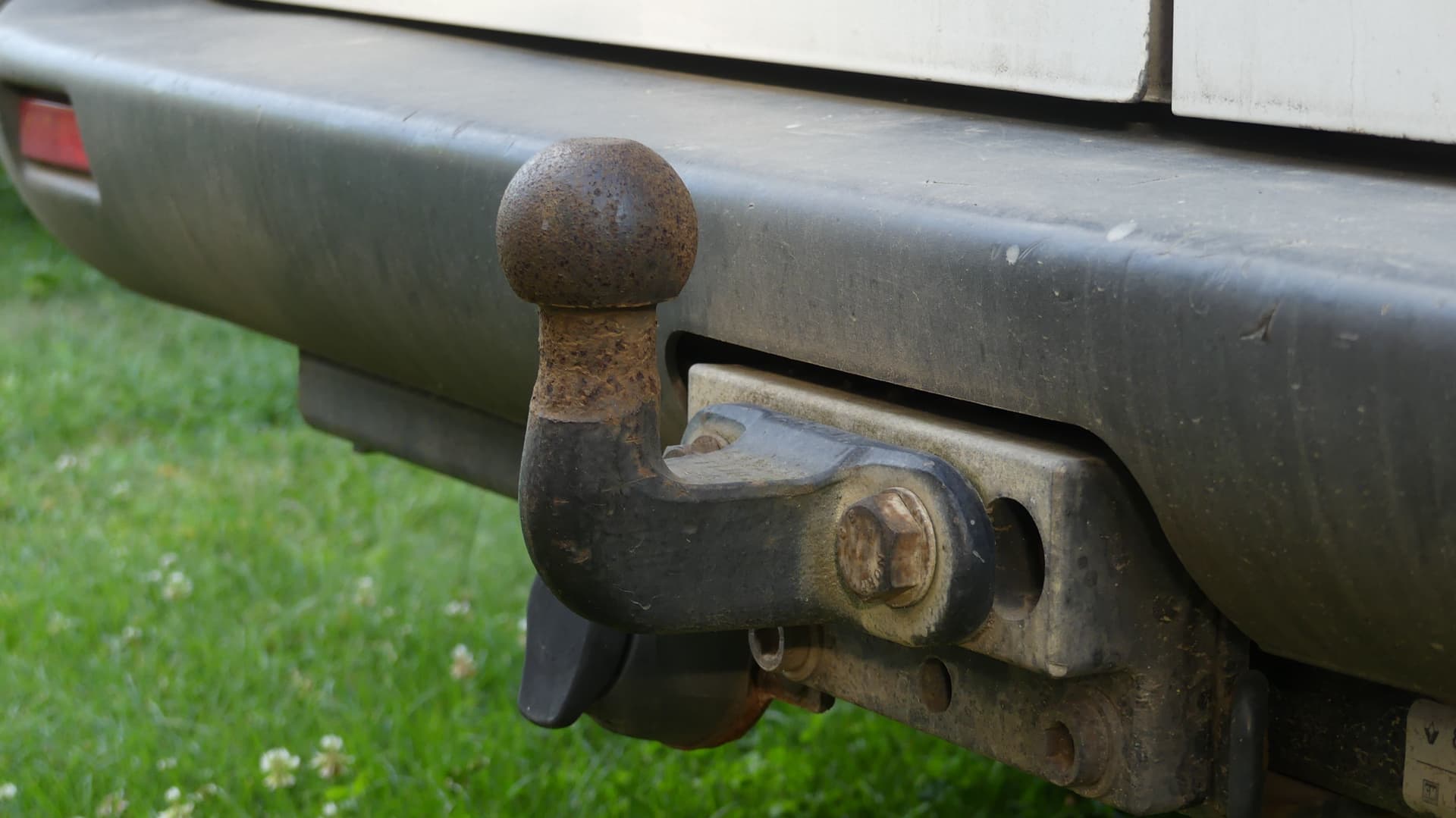
Visibility is cameras and monitors. Security is hitch locks (which secure the ball mount in the receiver) and coupler locks (which stop someone hitching your trailer to their own vehicle) — two different products against two different thefts, explained in hitch lock versus coupler lock. Towing hardware is weight distribution and sway control, which is a setup decision rather than an accessory purchase.
Weight distribution is not a shopping decision
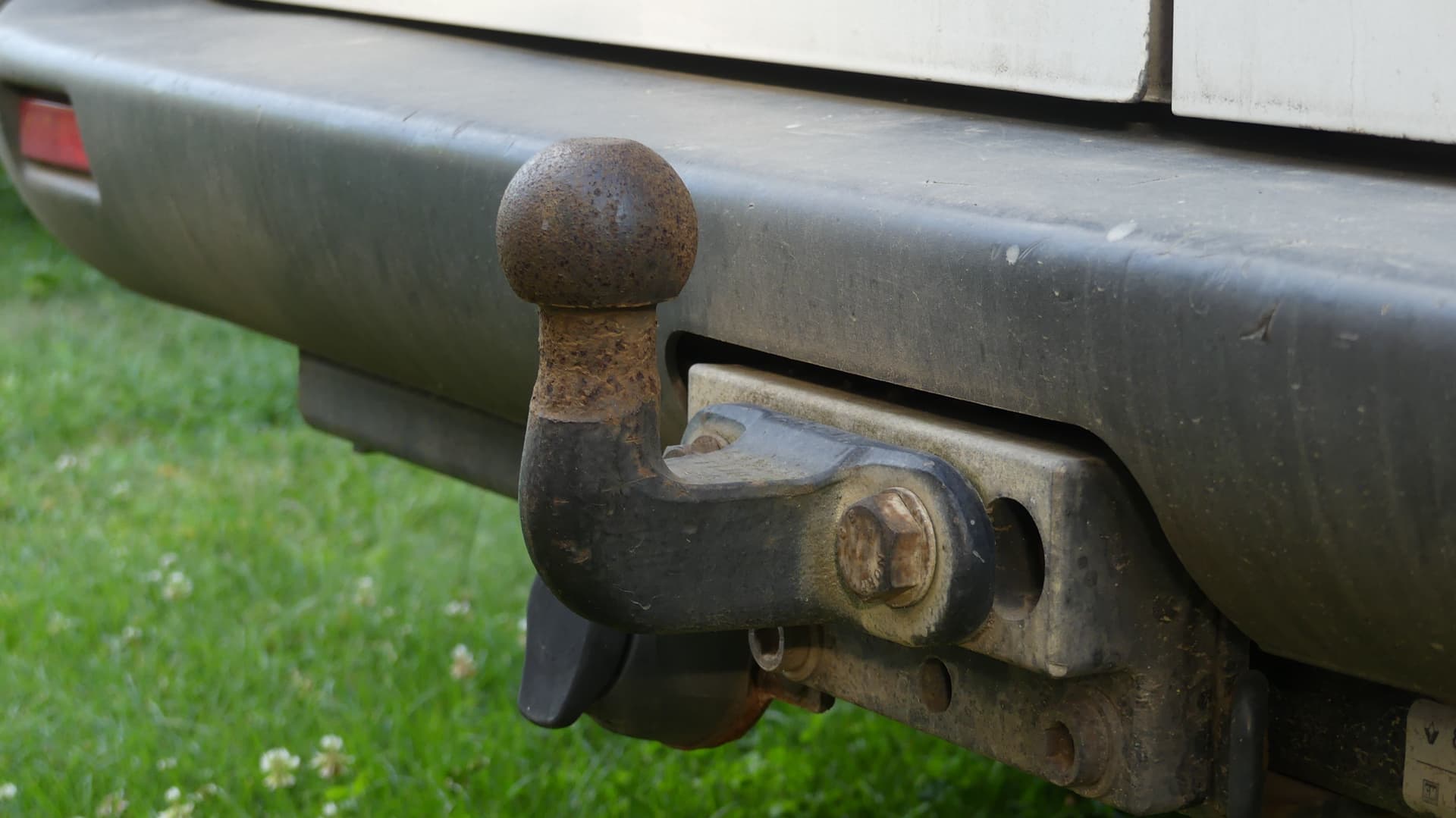
Worth stating plainly, because it is the one thing in this section people get wrong from a list. A weight distribution hitch has to be matched to your actual tongue weight and tow vehicle. Buying one because it was recommended, without knowing your numbers, produces a setup that is either ineffective or actively worse than none. If your rig needs one, it needed one before you drove home — how the matching works.
What decides price
For cameras, whether the signal is reliable at trailer length and whether the image is usable in low light. Cheap wireless cameras drop out at the distance a travel trailer actually is, which makes them useless for the one job they exist to do.
For locks, whether the lock body resists an angle grinder and whether the shackle is exposed. A lock is a delay, not a guarantee — a determined thief with tools defeats anything in this category, and the realistic goal is to be a less attractive target than the trailer parked next to yours.
The mistake first-season buyers make
Attaching the breakaway cable to the safety chains instead of to the tow vehicle. If the coupler releases, the chains take the load and the cable is supposed to apply the trailer brakes — attached to the chains, it does nothing at the moment it is needed. The correct sequence is in how to hitch a travel trailer, and the towing safety checklist covers the pre-drive checks.
Roundups and top picks
Best Backup Camera
Best RV Backup Camera for a Travel Trailer
Backup cameras for a travel trailer, split by whether your rig has a pre-wired factory mount.
Best Wireless Camera
Best Wireless RV Backup Camera
Wireless camera systems that work on any trailer, with range guidance by rig length.
Our pick
Haloview MC7108 Wireless Backup Camera System
Best Hitch Lock
Best RV Hitch Lock
Receiver locks and coupler locks explained, with what each actually protects and why you want both.

Best Coupler Lock
Best Trailer Coupler Lock
Coupler locks compared on deterrence, fit and weight, with fitting instructions and the sizing check to do first.
Best Tire Monitor
Best RV Tire Pressure Monitoring System
Tire pressure monitoring systems compared, with the reason a trailer needs one far more than a car does.
Best Weight Distribution Hitch
Best Weight Distribution Hitch for a Travel Trailer
Weight distribution hitches with integrated sway control, sized by tongue weight, with an honest account of setup complexity.
Head-to-head comparisons
Single-product reviews
Guides and how-tos
Guide
How to Install a Wireless RV Backup Camera
Mounting and powering a wireless trailer camera, including the factory plate route and the marker light tap.
Guide
How to Hitch a Travel Trailer (Step by Step)
The full hitching sequence with the latch and jack checks that prevent a trailer coming off the ball.