RV Must-Haves for Beginners
Sequenced by the moment you need it rather than by product category, because the question is never what exists — it is what you need before Saturday.
Heads up: this page contains affiliate links. If you buy through one, Camp & Chock may earn a commission at no extra cost to you. It never changes which product we put first — how this site is funded.
The short answer
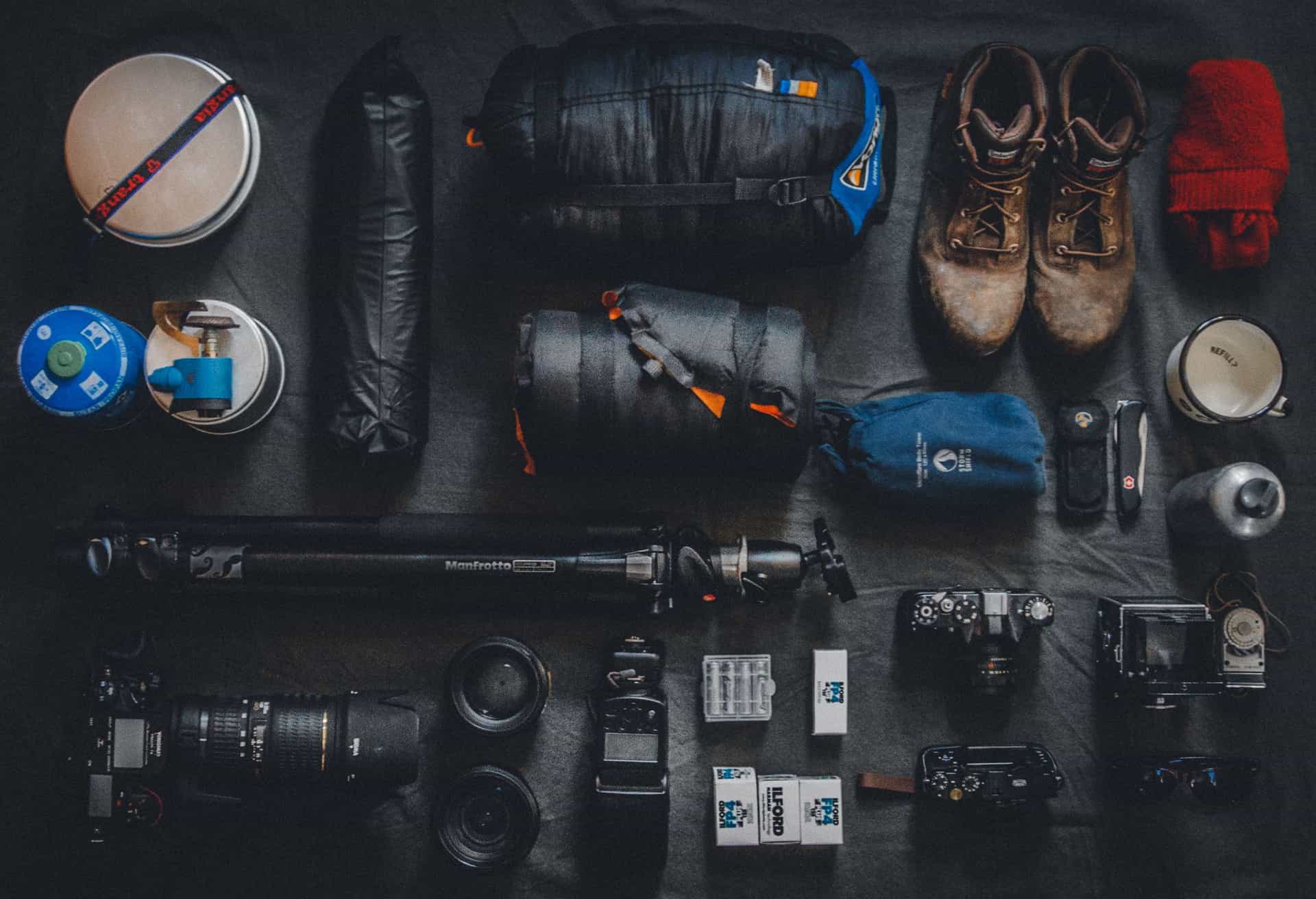
You need six things before your first trip: a sewer hose, a drinking-water hose, a pressure regulator, a surge protector, leveling blocks and wheel chocks. A bundled kit covers three of those in one purchase and is the fastest way to be ready. The surge protector is the one to buy separately and not skip — it is the only item on the list that protects against a four-figure repair.
This is the hub page of our first-season starter kit guide, and it is organized around a claim: the reason first-season shopping feels overwhelming is that every list is organized by category, and you do not yet know what the categories are for. So this one is organized by moment — the order in which each item first matters.
Before you leave the dealer lot
Two things, and they are both about the trailer staying attached to the truck and staying visible.
A way to see behind you
A travel trailer removes your rear view entirely. Mirrors cover the sides; nothing covers directly behind, which is where you reverse into a site. This is the one item where the first-season version and the long-term version are genuinely different — a camera is the real answer, and a spotter with a phone is the free answer that works until you buy one. Our backup camera roundup covers the options, and how to hitch a travel trailer covers the coupling itself.
Knowing about a tire before it fails
Trailer tires fail more often than car tires and you cannot feel it happen from the cab. A blowout at speed does expensive damage to the sidewall of the trailer, not just the tire. A tire pressure monitoring system is the least glamorous purchase on this page and the one with the highest expected value — see the TPMS roundup.
Arriving at the site
The first job at every campsite, before hookups and before unpacking, is getting level and getting the trailer to stop moving. Those are two separate jobs with two separate products, and confusing them is the most common beginner mistake in this whole category.
Two jobs, two products
| Job | Product | What it does not do |
|---|---|---|
| Get level side to side | Leveling blocks or a curved leveler | Does not stop the trailer rocking |
| Stop the wheels moving | Wheel chocks | Does nothing about level |
| Stop the trailer rocking when you walk | X-chocks between the wheels, or stabilizer jacks | Is not a leveling device and is not a substitute for chocks |
Get level first, then chock, then unhitch. Doing it in a different order means redoing it. Our step-by-step leveling guide walks the whole sequence, and stabilizers versus levelers settles the confusion above.
What arriving needs
Level, chock, and something to stop you tracking the site through the trailer. All three are cheap and all three get used at every stop.
Best for Most first trailers
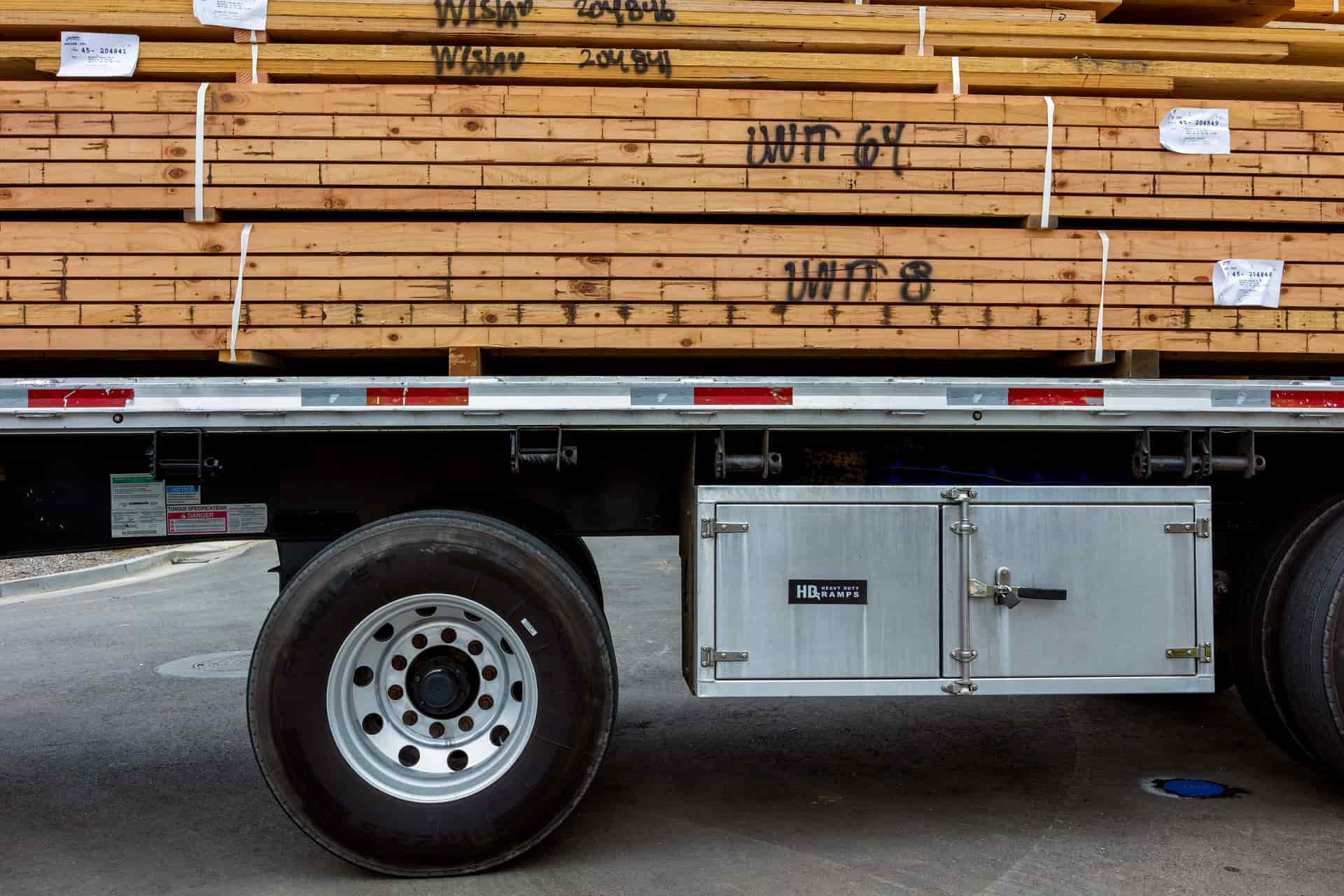
Camco FasTen Leveling Blocks (10-pack)
The default first purchase for a travel trailer: interlocking blocks you stack into a ramp, cheap enough to buy two sets.
Best for The non-negotiable basics
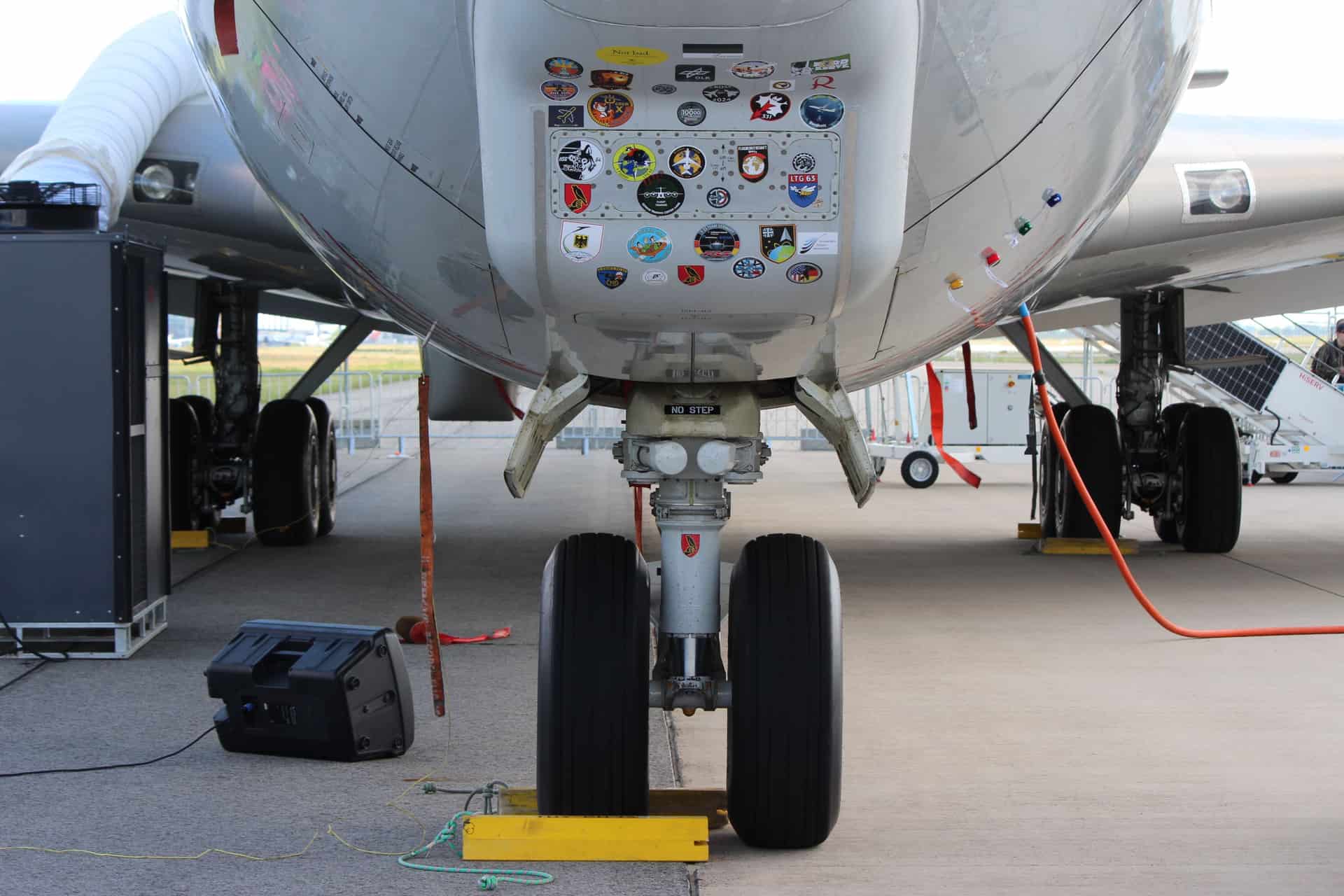
Camco Heavy-Duty Wheel Chocks (pair)
The chock that stops the trailer rolling. Not the one that stops it rocking, which is a different product, and you need both.

Best for Keeping the site outside
Camco Wrap-Around RV Step Rug
The cheapest way to stop tracking the campsite through the trailer. It clips over the entry step in seconds.
Hooking up
Three connections, in this order: power, water, sewer. Power first because you want to know the pedestal is safe before you commit to the site at all.
Power — the only item that protects against a big bill
A campground pedestal is an unknown piece of wiring that you are about to plug your home into. Open grounds, reversed polarity and low voltage are all common, and low voltage is the one that quietly destroys air conditioners. A surge protector or electrical management system checks the pedestal before passing power through and disconnects if something is wrong.
This is the single purchase on this page that we would tell you not to economize on. See do I need an RV surge protector for what each fault actually does, and surge protector versus EMS for the difference between the cheap device and the one that catches low voltage.
Water — the regulator is not optional
Campground water pressure is unregulated and varies wildly between sites. RV plumbing is not built for the high end of that range, and a burst line inside a wall is a genuinely bad day. A pressure regulator is a small brass fitting that costs very little and removes the entire problem.
Buy an adjustable brass regulator rather than the cheap plastic inline version if you can — the plastic one drops your flow to a trickle, which is why people take them off and then forget to put them back. And the hose has to be drinking-water rated: a garden hose is not, and you will taste the difference.
Sewer — the job nobody demonstrates
A 20-foot hose reaches at nearly every site; a 10-foot one will strand you. A clear elbow lets you see when the tank is actually empty rather than guessing. Disposable gloves are non-negotiable and cost almost nothing.
The full sequence is in how to hook up an RV sewer hose, and what size hose you need explains the length question properly.
What hooking up needs
One item per utility. The surge protector is the expensive one and the one we would tell you to buy properly the first time.
Best for 30-amp rigs, no compromise
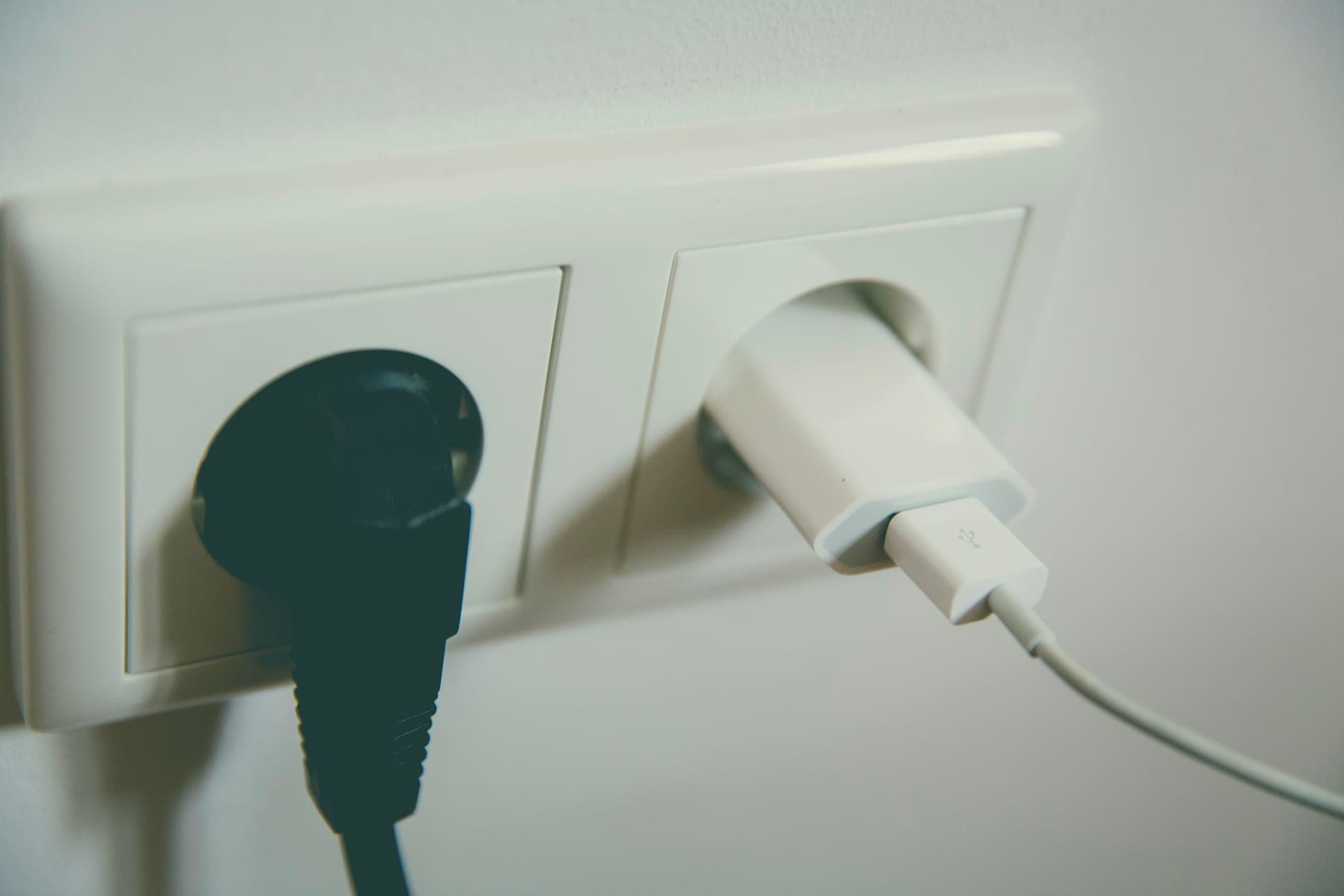
Progressive Industries EMS-PT30X Portable EMS (30 amp)
A full electrical management system rather than a surge protector: it watches voltage and wiring and cuts power before a bad pedestal reaches your rig.
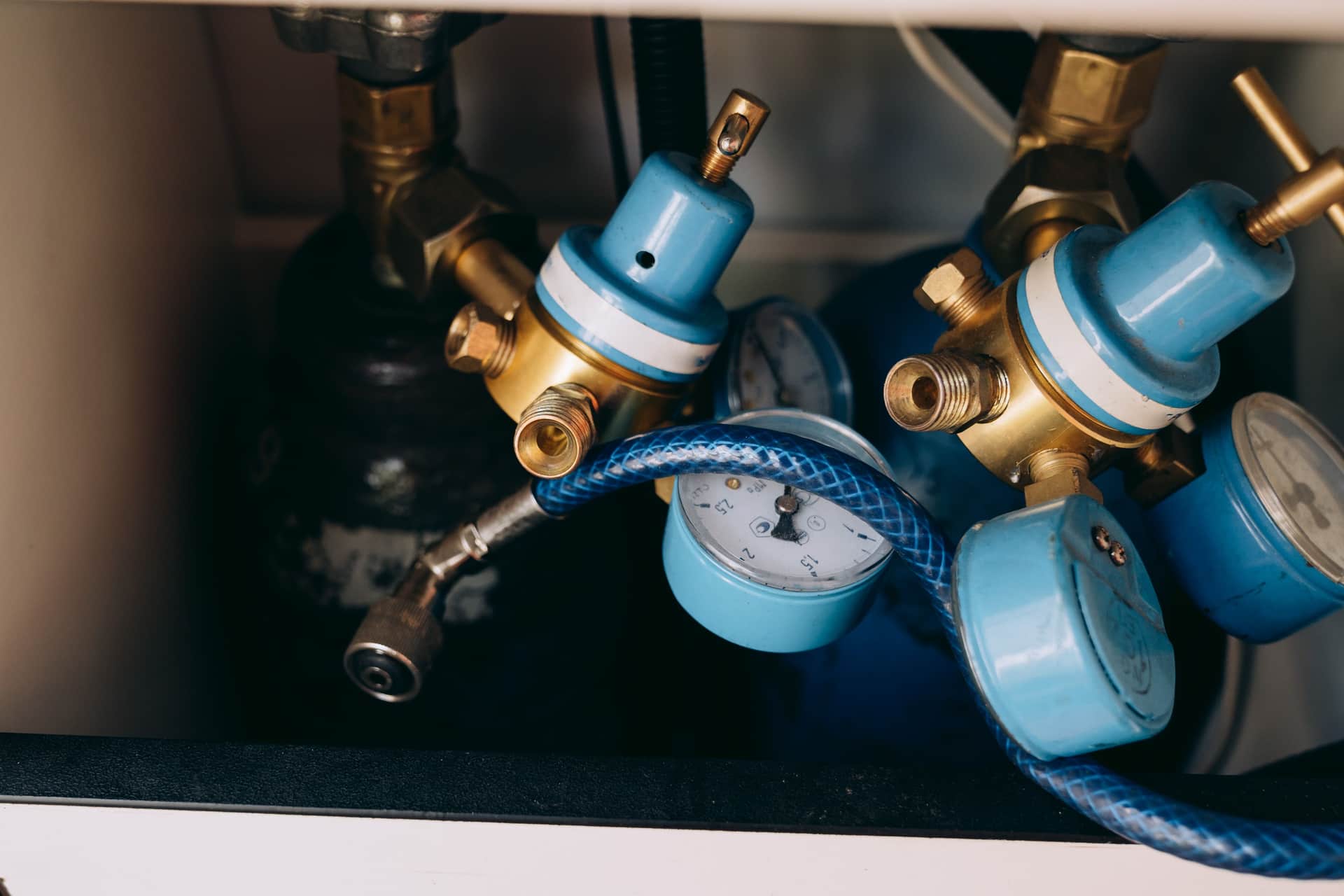
Best for The cheapest thing that prevents the worst damage
Camco Brass Water Pressure Regulator
The cheapest single item that prevents the most expensive damage. Fixed preset, brass body, screws on in four seconds.
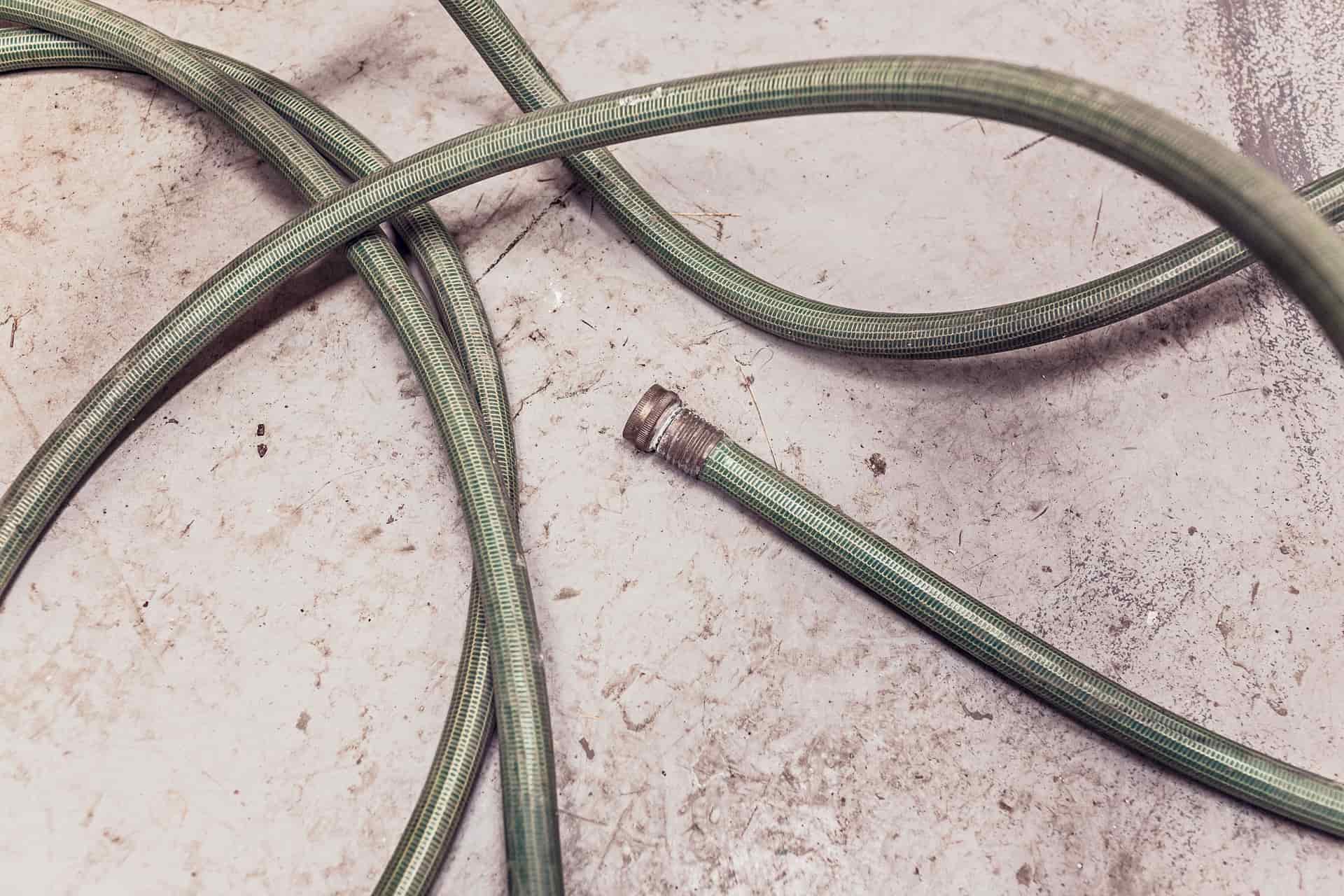
Best for The first sewer hose to own
Camco RhinoFLEX 20-Ft Sewer Hose Kit
The complete first kit: 20 ft in two sections, both fittings, and a clear elbow so you can see when the tank is actually done.
The first night
Everything here is cheap, and all of it is the stuff people say they wish someone had told them about:
- A headlamp. Every hookup job needs both hands and happens after dark more often than you would think.
- Rapid-dissolving toilet paper. Supermarket rapid-dissolving tissue is fine — see the toilet paper page for the one situation where it is not.
- A step rug. The most effective single item for keeping the campsite out of the trailer.
- A basic tool kit and a first aid kit that live in the trailer. Trailers vibrate and things back out; most first-season repairs are a screwdriver and two minutes.
What you can safely skip in year one
Popular purchases that do not need to happen yet. Skipping these is how you afford the surge protector.
A weight distribution hitch — unless your dealer specified one
This is not a beginner accessory purchase, it is a towing-setup decision matched to your tongue weight and tow vehicle. If your setup needs one, it needed one before you drove home, and the dealer should have specified it. It is never something to guess at from a list. Our weight distribution guide explains how the matching works.
Upgraded stabilizer systems
The factory jacks and a set of pads are fine for a first season. Rocking is annoying, not dangerous, and you will have better information about how much it bothers you after five trips.
A second sewer hose, a macerator, or tank sensors
All real solutions to real problems. None of them are your problems yet.
Anything you buy because a forum told you to
The RV forums are populated by people in their tenth year of ownership solving tenth-year problems. Their shortlist is not your shortlist, and working through it in month one is how a first season gets expensive.
The printable version
Our travel trailer essentials checklist is this list as something you can work through before a trip, and the arrival and departure checklist is the one that stops you driving away with the steps down.
Questions people actually ask
What do I need to buy before my first RV trip?
Six things: a sewer hose, a drinking-water hose, a pressure regulator, a surge protector, leveling blocks and wheel chocks. A bundled starter kit covers the sewer and water items in one purchase; the surge protector should be bought separately and not skipped.
What is the most important RV accessory for a beginner?
A surge protector or electrical management system. It is the only item on the list that protects against a four-figure repair, because a miswired or low-voltage pedestal can damage every appliance in the trailer.
Do I need leveling blocks and wheel chocks, or just one?
Both — they do different jobs. Blocks get the trailer level side to side; chocks stop the wheels moving. Neither substitutes for the other, and X-chocks between the wheels are a third thing again that reduces rocking.
What RV accessories can I skip in my first year?
A weight distribution hitch unless your dealer specified one for your setup, upgraded stabilizer systems, a second sewer hose, a macerator, and tank sensor upgrades. All solve real problems that are not yet your problems.
Is a bundled RV starter kit good enough, or should I buy items separately?
Good enough for a first trip, and the completeness is worth more than optimizing any single item. Expect to replace the sewer hose and the pressure regulator within a season, and buy the surge protector separately because kits do not include one.
How do I know whether my trailer is 30-amp or 50-amp?
It is written on the plug at the end of the power cord, and a 50-amp plug is visibly larger with four prongs. Most travel trailers are 30-amp. Every electrical accessory has to match, so check before ordering.
Sources
Read next
First-Season Starter Kit
Best RV Starter Kit for a New Travel Trailer
Bundled starter kits versus buying the six hookup pieces separately, for a first travel trailer.
First-Season Starter Kit
Travel Trailer Essentials Checklist
A first-trip checklist for a new travel trailer, grouped by utility with the commonly forgotten items called out.
Power & Surge Protection
Do I Really Need an RV Surge Protector?
The honest cost-benefit case for a protective device, and the small rigs where it genuinely matters less.
Leveling & Chocks
How to Level a Travel Trailer (Step by Step for Beginners)
The full arrival sequence for leveling a towed trailer, in the order that means you only do it once.
Reviewed September 25, 2026. Spot something out of date? Tell us and we will fix it.