BAL X-Chock Review: Who It Is For, and Who Should Skip It
The standard answer to a trailer that rocks. It is also completely useless on a single-axle trailer, which is the part the listing does not lead with.
Heads up: this page contains affiliate links. If you buy through one, Camp & Chock may earn a commission at no extra cost to you. It never changes which product we put first — how this site is funded.
The verdict
If your trailer has two axles on each side and it rocks when someone walks to the back of it, buy one per side and the rocking largely stops. If your trailer has a single axle, do not buy this at all — there is no second tire for it to push against, and no amount of adjustment changes that.
This is part of our leveling and chocks guide, and it exists because the X-chock is the most commonly bought-for-the-wrong-reason product in the category.
What it actually does
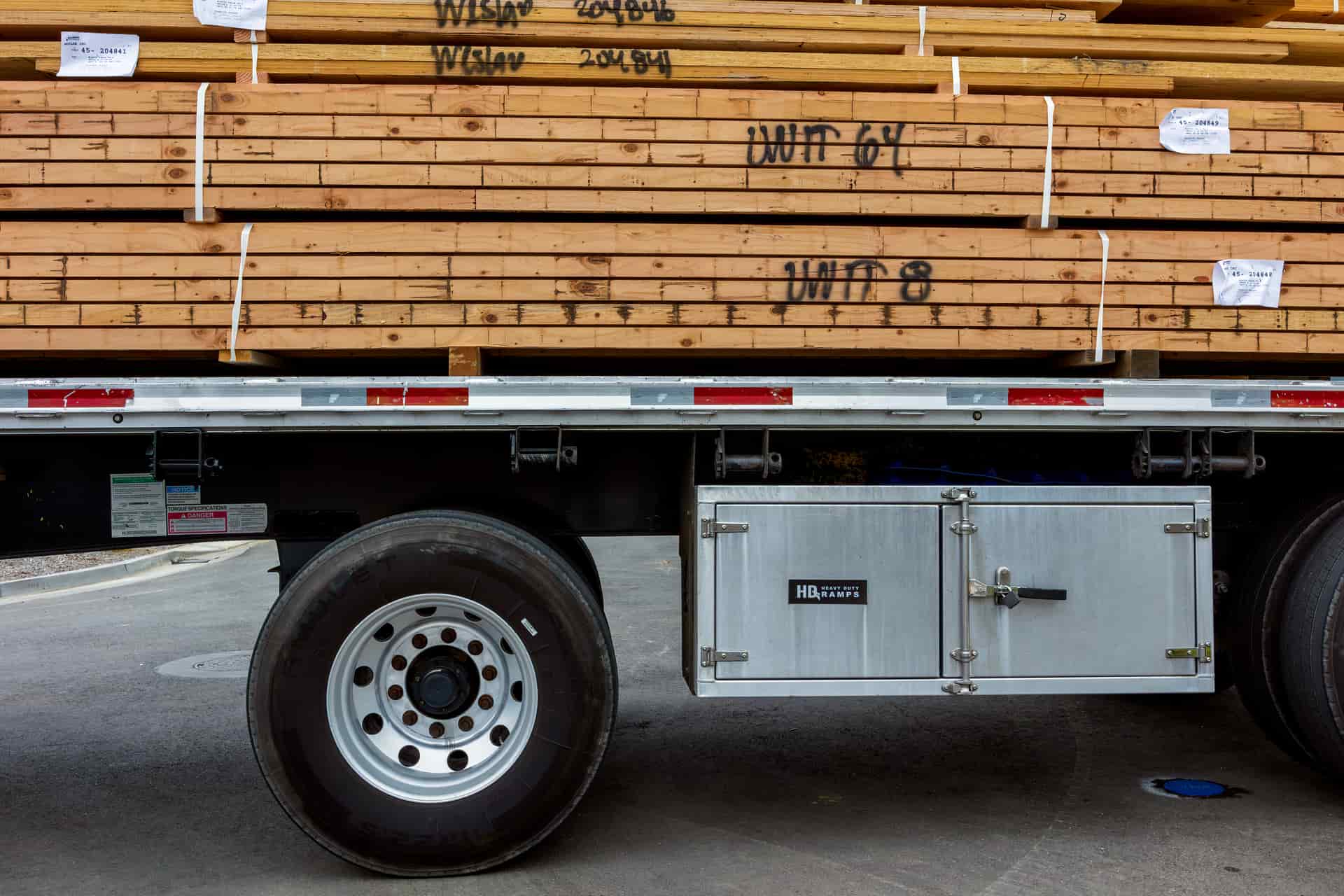
The X-chock is a scissor mechanism that sits in the gap between the two tires of a tandem axle. A ratchet expands it, and it pushes the tires apart. That does two things at once: it takes the slack out of the suspension and the axle bushings, and it stops the two wheels moving relative to each other.
The result is the thing people are actually chasing when they search for wheel chocks. A trailer with X-chocks fitted moves noticeably less when you walk around inside it. It does not go completely rigid — nothing makes a trailer rigid, because it is a box on leaf springs — but the vague, unsettling sway is largely gone.
What it does not do is stop the trailer rolling. That is a wedge chock's job, and BAL are clear that the X-chock is not a substitute. Use both. The difference is set out in full in X-chocks versus wheel chocks.
The check to do before you order
Walk to the side of your trailer and count the wheels. One wheel per side means a single axle, and this product will not fit. Two wheels per side means a tandem axle, and it will.
The second check is the gap. On some rigs the tires sit close enough together that seating the chock the first time is a genuine fight, and on a few it is very tight indeed. This is not a fault, but it is worth knowing before you are crouched in gravel at dusk wondering whether you bought the wrong thing.
Is this the right product for you?
| Your trailer | Verdict |
|---|---|
| Tandem axle, rocks when you walk around | Yes. Buy one per side |
| Tandem axle, feels fine already | Optional. You will still notice a difference |
| Single axle | No. It physically cannot work. Spend the money on jack pads |
| Triple axle | Yes, between each adjacent pair of tires |
| Fifth wheel with tandem axles | Yes, same as any tandem |
Living with it
Fitted, it is a thirty-second job per side once you have done it twice. You need the ratchet or a wrench, and the single most common complaint is that the tool goes missing. Keep it taped to the chock or in the same compartment, permanently.
It lives outside, in weather, in road spray, for years. The steel is galvanized and it does hold up, but the ratchet mechanism benefits from a spray of lubricant once a season along with everything else you do at the start of the year.
Best for Tandem-axle rigs that rock
BAL X-Chock Tire Locking Chock
The standard answer to a trailer that rocks when you walk across it, and only useful if you have two axles per side.
- Specification
- Fits between tandem-axle tires
- Specification
- Ratchet-driven expansion
- Specification
- One per side is the normal setup
What it does well
- It pushes the two tires apart instead of blocking them, which is what actually stops the side-to-side rock
- The ratchet means you tighten by feel and it stays tight
- Survives being left outside for years
The real tradeoff
- Useless on a single-axle trailer. There is no second tire to push against
- Needs a wrench or the matching ratchet, which is one more thing to keep track of
- Tight tire gaps on some rigs make it a fight to seat the first time
How it measures up
These are judgments from published specifications and what we see at the lodge, not laboratory results. How we choose.
- Beginner fit
- Good — Simple once shown, mildly fiddly the first time.
- Stability once set
- Strong — This is the one thing it does, and it does it.
- Speed to level
- Good — Thirty seconds a side with the ratchet.
- Value
- Good — Buy one per side, not one per trailer.
What a complete setup looks like
Chocks for rolling, X-chocks for rocking, pads under the jacks. Three cheap things that between them cover the whole problem.
Best for Tandem-axle rigs that rock
BAL X-Chock Tire Locking Chock
The standard answer to a trailer that rocks when you walk across it, and only useful if you have two axles per side.
Best for The non-negotiable basics
Camco Heavy-Duty Wheel Chocks (pair)
The chock that stops the trailer rolling. Not the one that stops it rocking, which is a different product, and you need both.
Best for A second set for the tongue jack
Valterra Stabilizer Jack Pads
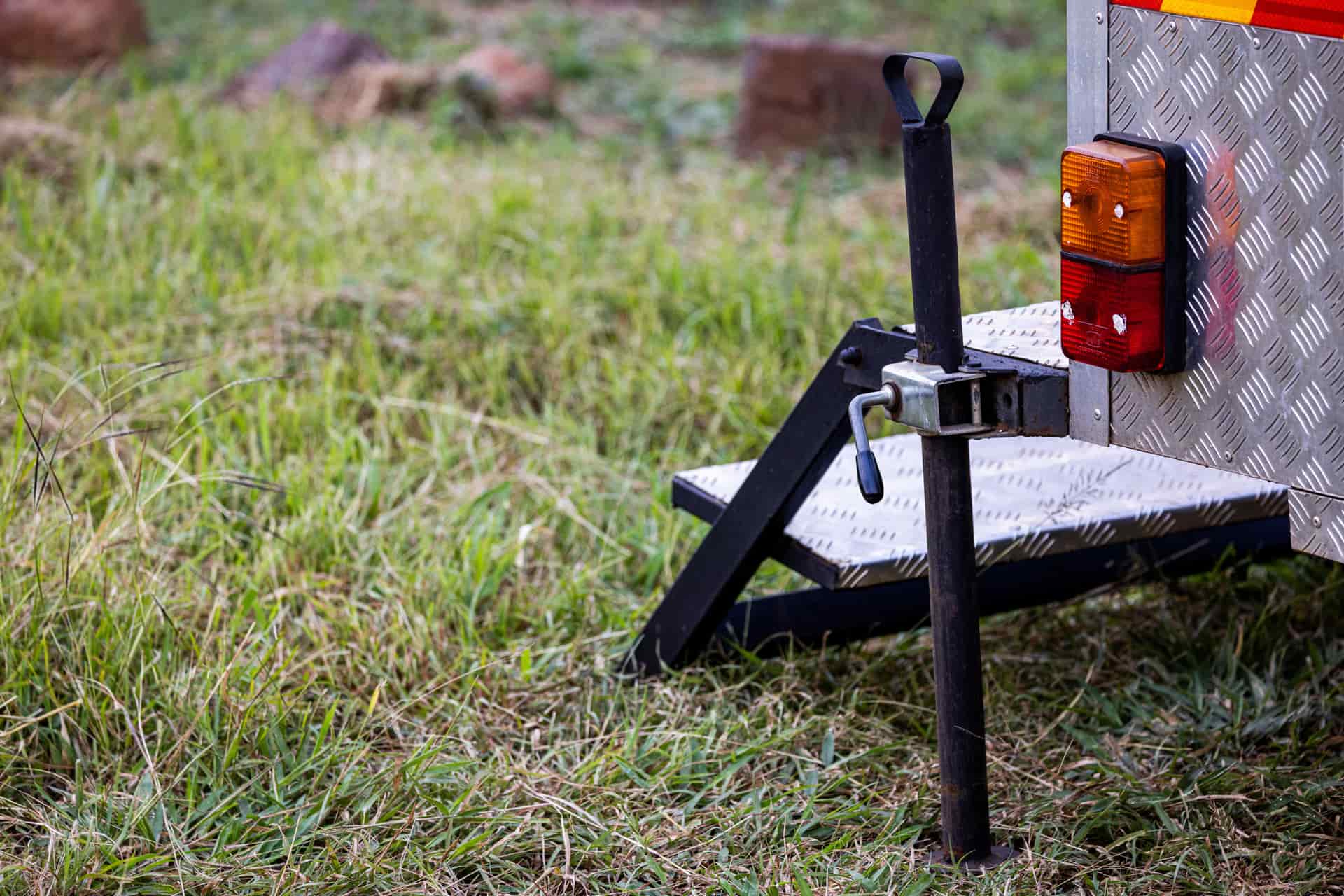
Functionally interchangeable with any other jack pad. Buy whichever is in stock, but do buy a spare for the tongue jack.
Questions people actually ask
Do X-chocks work on wide stance axles?
They are designed for a range of tire gaps, and most tandem-axle travel trailers fall inside it. Unusually wide spacing between axles can put the gap past the expansion range, so measure the gap between the two tires before ordering if your trailer looks wider-spaced than most.
Do I need one X-chock or two?
Two. One per side. Fitting one only to the curb side is a common half-measure and it does about half the job.
Can I leave the X-chock on while towing?
No. It comes off before you move the trailer, every time. It is a parking device.
Does an X-chock replace wheel chocks?
No, and the manufacturer says so. It resists rocking, not rolling. Keep wedge chocks in place for the rolling job.
Will it damage my tires?
Not in normal use. It pushes against the tread, not the sidewall, and the load is modest. Do not over-tighten it, and do not leave it fitted on a trailer in long-term storage where the tires will flat-spot anyway.
Sources
Read next
Leveling & Chocks
X-Chocks vs Wheel Chocks: What Each One Actually Stops
The difference between rolling and rocking, which chock fixes which, and why the answer is usually both.
Leveling & Chocks
Best RV Wheel Chocks for a Travel Trailer
Wedge chocks, X-chocks and the difference between a trailer that rolls and a trailer that rocks.
Leveling & Chocks
RV Stabilizers vs Levelers: What Each One Is For
The difference between leveling gear and stabilizing gear, and why using a stabilizer jack to lift can damage the frame.
Reviewed September 25, 2026. Spot something out of date? Tell us and we will fix it.