Do I Really Need an RV Surge Protector?
Short answer yes, and the reasoning is arithmetic rather than fear. Here is the actual exposure, plus the two cases where skipping it is defensible.
Heads up: this page contains affiliate links. If you buy through one, Camp & Chock may earn a commission at no extra cost to you. It never changes which product we put first — how this site is funded.
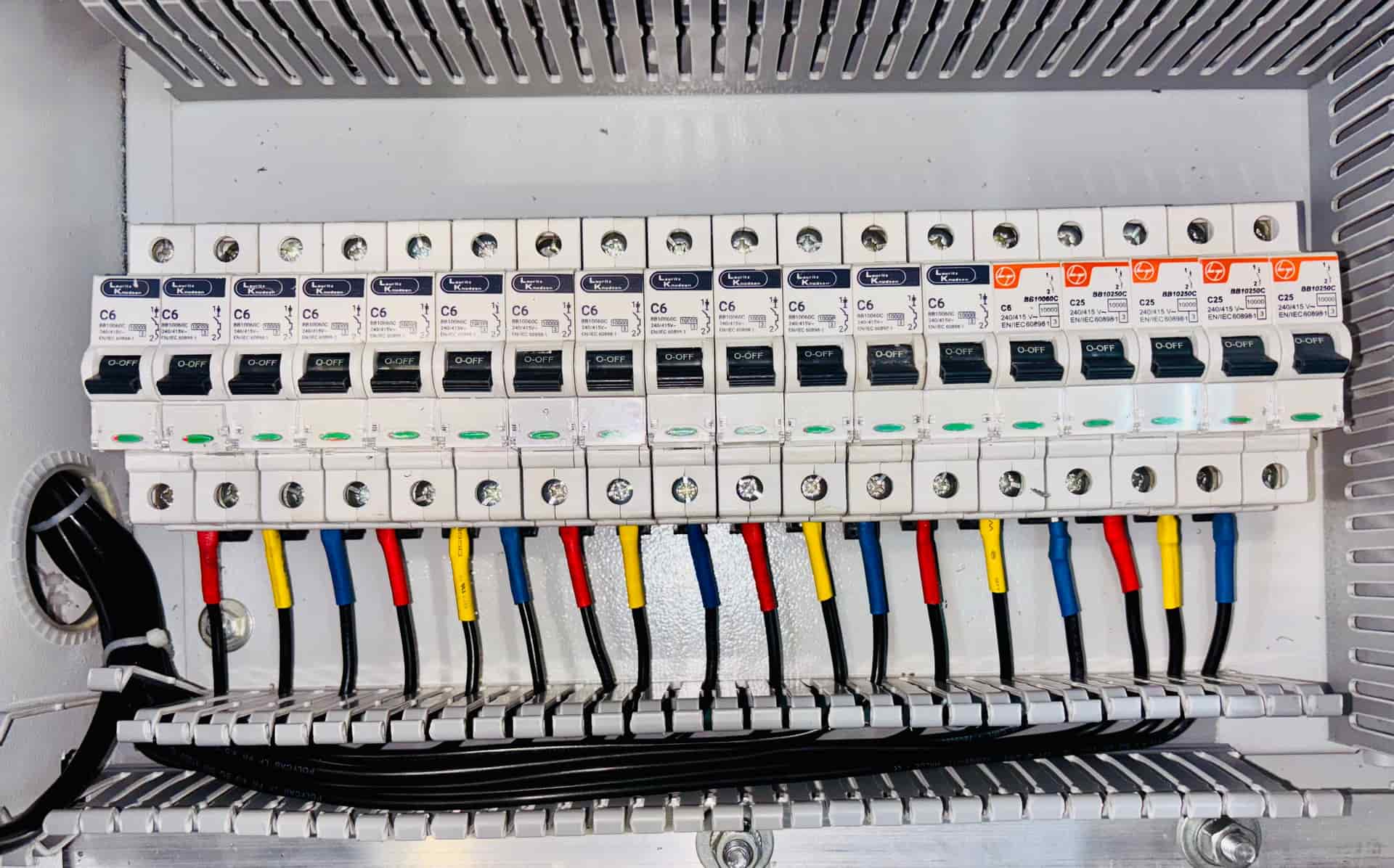
Yes, if your rig has an air conditioner, a converter and a fridge — which is to say, almost certainly yes. A protective device costs a small fraction of what those three components cost to replace, and the faults it catches are ordinary rather than exotic. The two situations where you can reasonably skip it are further down, and they are narrower than people hope.
This is part of our power and surge protection guide. If you have already decided and just want the picks, they are in the surge protector roundup.
What you are actually exposed to
A campground pedestal is a piece of electrical infrastructure you know nothing about. It was installed at an unknown date, by unknown electricians, to the standard of the day, and it has been rained on ever since. You plug your entire home into it and go to sleep.
Three faults are worth naming, and they are not equally likely.
| Fault | How common | What it damages |
|---|---|---|
| Miswired pedestal (reversed polarity, open ground) | Common in older parks | Shock risk, and electronics |
| Sustained low voltage on a hot afternoon | Very common in full parks | Air conditioner compressor, converter |
| Voltage surge | Occasional, weather-driven | Anything with a circuit board |
Notice which one is described as very common. It is not the surge. The fault most likely to cost you money is the least dramatic one, and it is the one a cheap surge-only device cannot see. The full explanation is in surge protector versus EMS.
The arithmetic, without the numbers
We do not publish prices on this site, for reasons set out on how we choose — they change constantly and a stale number is worse than none. But the ratio is easy to describe without one.
A rooftop air conditioner is one of the most expensive single items in a travel trailer, and replacing one is a shop job rather than a weekend job. A converter is cheaper but it is what charges your battery and runs your lights, so losing it ends the trip. A protective device costs a small fraction of either.
That is the entire case. You are not buying insurance against a rare disaster. You are buying a device that prevents a common, gradual, entirely predictable form of damage.
When you can reasonably skip it
Two cases, and they are genuinely narrow.
A small trailer with no air conditioner and no residential fridge. If the 120-volt side of your rig is lights, a couple of outlets and a converter, low voltage has much less to destroy. A basic surge-only device still makes sense for the wiring check, but the full EMS argument weakens considerably.
You never use shore power. If you camp off-grid on solar and battery and genuinely never plug into a pedestal, there is nothing for the device to protect against. Buy one when that changes.
Everything else — a modern park, a new rig, a short stay, a friendly campground host — is not a reason to skip it. New wiring does not prevent voltage sag when forty rigs run air conditioning at once.
What to buy once you have decided
The full EMS if the rig has an air conditioner, the surge-only unit if the budget genuinely will not stretch, and a lock either way because portable units get stolen.
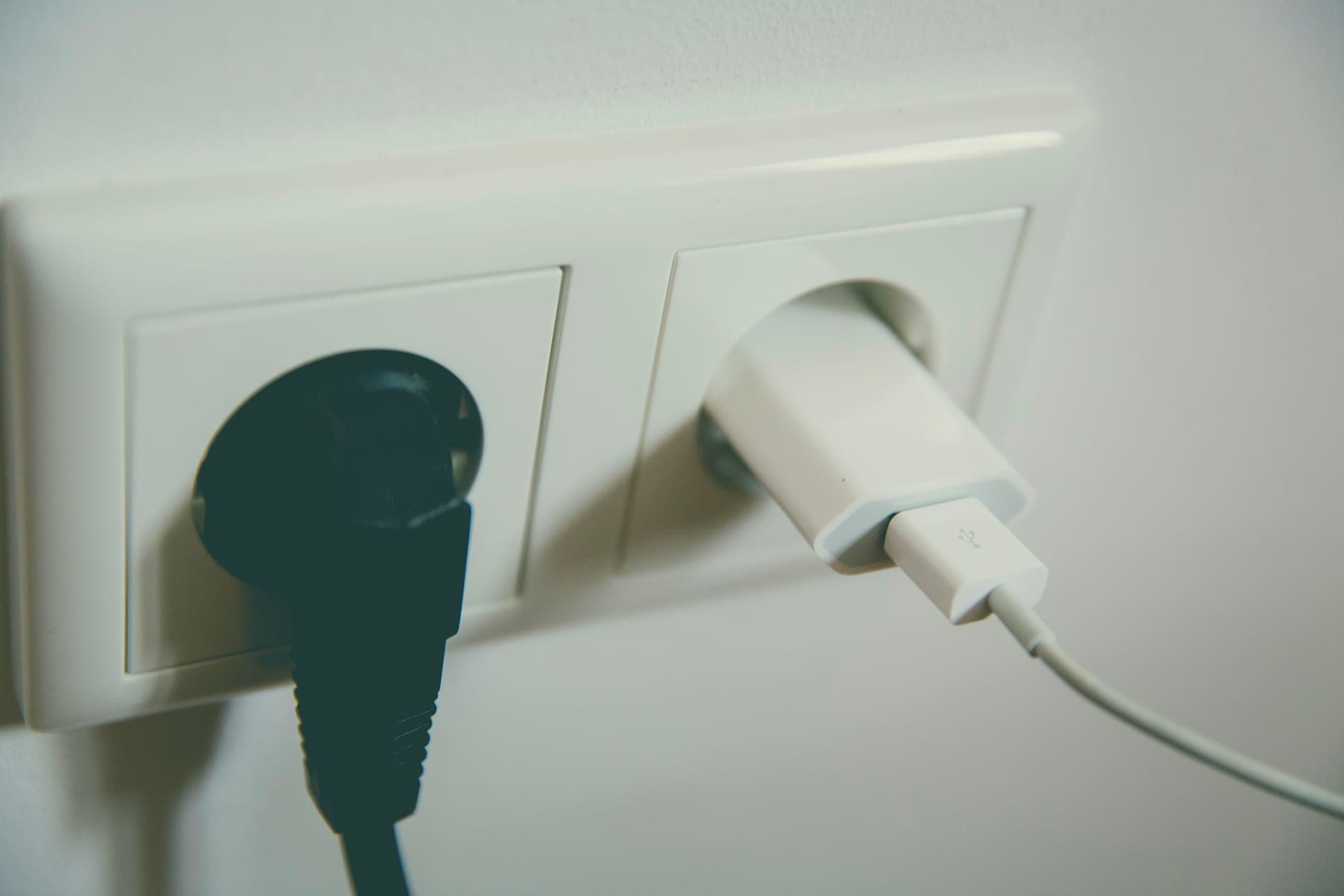
Best for 30-amp rigs, no compromise
Progressive Industries EMS-PT30X Portable EMS (30 amp)
A full electrical management system rather than a surge protector: it watches voltage and wiring and cuts power before a bad pedestal reaches your rig.
Best for A real budget option
Progressive Industries SSP-30XL Surge Protector (30 amp)
The honest budget pick: it catches miswired pedestals and surges, and it will not save your air conditioner from a brownout.

Best for Keeping the protector you bought
Camco Power Cord Lock
The cheapest way to still own your surge protector in the morning. Portable units walk off pedestals, and this is the answer.
What about built-in protection?
Some converters and inverters include internal surge or overvoltage protection, and salespeople sometimes describe that as the rig already being protected. It is worth checking your own paperwork rather than taking either claim on trust.
The practical point is that protection inside the rig is not the same as a device between the pedestal and the rig. Anything upstream of the converter — the air conditioner, outlets, anything plugged into them — is not covered by the converter's internal arrangements.
What we see at the lodge
About half of the first-timers who pull in have no protective device at all. A good number of those believed their rig had built-in protection, and a few had been told it did at the point of sale.
The second pattern is more interesting: people who own a device and leave it in a cupboard because plugging it in is one more step. A device in a cupboard protects nothing. If that is a risk for you, the app-based units make it easier to care, because you end up curious about the numbers.
If you buy one thing this season
Buy this. It is the item on this whole site with the clearest cost-to-consequence ratio, ahead of the camera, ahead of the tire monitor, and ahead of any comfort purchase. The only thing that competes with it is a water pressure regulator, which is the same argument applied to plumbing and costs even less.
Questions people actually ask
Do I really need an RV surge protector?
If your rig has an air conditioner, a converter and a fridge, yes. The device costs a small fraction of what those cost to replace, and the faults it catches, particularly low voltage on hot afternoons, are common rather than rare.
Is my RV already protected internally?
Some converters and inverters have internal protection, but it only covers what is downstream of them. Your air conditioner and outlets are not protected by the converter's internal arrangements. Check your own documentation rather than relying on a sales claim.
Can I skip it at a brand new campground?
No. New wiring does not stop voltage sagging when every rig on the loop runs air conditioning at once, and it does not stop a lightning-driven surge either.
Do I need one if I only camp off-grid?
If you genuinely never plug into a pedestal, there is nothing for it to protect against. Buy one when that changes, which for most people is sooner than expected.
What if my surge protector will not let me connect?
It found a fault. Read the code, report it to the park, and ask to move sites. Do not bypass it. That refusal is the entire function you paid for.
Should I get a surge protector or an EMS?
An EMS if the rig has an air conditioner, because only an EMS disconnects on low voltage. A surge-only device is a reasonable budget choice and still catches a miswired pedestal.
Sources
Read next
Power & Surge Protection
RV Surge Protector vs EMS: What the Cheaper One Misses
The clearest explanation of surge-only versus full electrical management, and which faults each one actually catches.
Power & Surge Protection
Best RV Surge Protector for a First Travel Trailer
Surge protectors and full electrical management systems compared, with the low-voltage problem explained properly.
Power & Surge Protection
Do RV Surge Protectors Go Bad?
How surge protection wears out, the symptoms that mean it is spent, and the seasonal check worth doing.
First-Season Starter Kit
RV Must-Haves for Beginners
The first-season shortlist, ordered by when you need each item: leaving the lot, arriving, hooking up, the first night, the first dump.
Reviewed September 25, 2026. Spot something out of date? Tell us and we will fix it.