RV Electrical Hookup for Beginners (Step by Step)
Breaker off, test, connect, breaker on. Four steps in that order, and the reason each one is in that position rather than another.
Heads up: this page contains affiliate links. If you buy through one, Camp & Chock may earn a commission at no extra cost to you. It never changes which product we put first — how this site is funded.
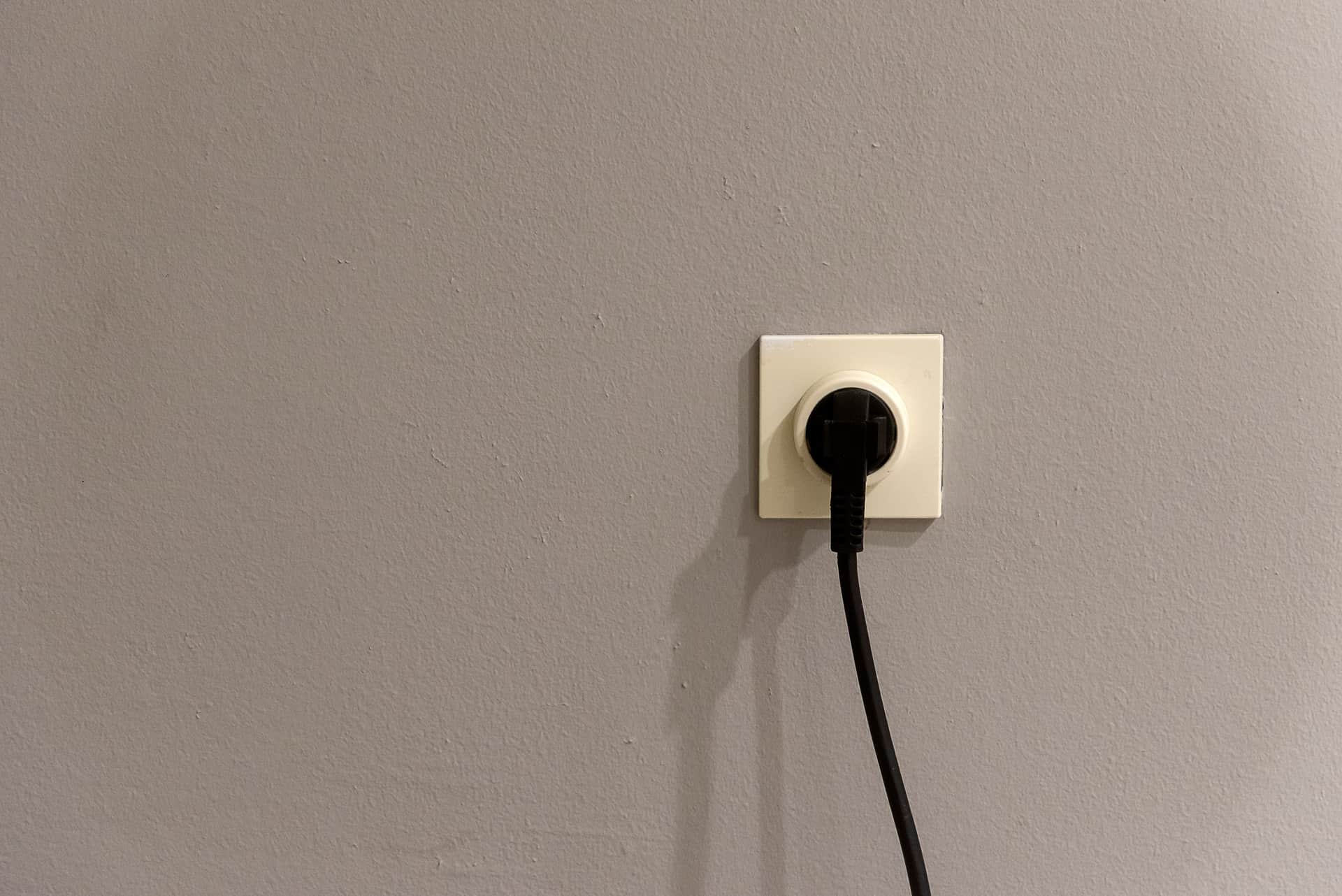
Breaker off. Inspect. Protective device into the pedestal. Adapter if needed. Your cord. Breaker on. Read the result. That is the whole job, and the order is the safety part.
This belongs to our power and surge protection guide, and it assumes you already own a protective device. If you do not, the case for one is in do I really need an RV surge protector.
What you will need
Your rig's shore power cord, a surge protector or EMS rated for your amperage, and a dogbone adapter if the pedestal might not match. A headlamp, because this job happens at dusk more often than you would expect.
The gear for this job
A protective device that cuts power on voltage faults, a spare cord for when the pedestal is on the wrong side, and adapters in both directions.
Best for 30-amp rigs, no compromise
Progressive Industries EMS-PT30X Portable EMS (30 amp)
A full electrical management system rather than a surge protector: it watches voltage and wiring and cuts power before a bad pedestal reaches your rig.

Best for Reaching the pedestal
Camco PowerGrip 30-Amp Extension Cord (25 ft)
The spare cord you buy after your first site where the pedestal was on the wrong side, with handles that make the plug manageable.
Best for Whatever the pedestal has
Camco PowerGrip Dogbone Adapter (50 amp to 30 amp)
A short cord that converts one plug shape into another. Buy the pair you might need before the trip, not at the pedestal.
Before you start: 30 amp or 50 amp?
Count the prongs on your rig's shore cord plug. Three prongs is 30 amp. Four is 50 amp. A pedestal usually offers a 30-amp receptacle, sometimes a 50-amp one, and almost always a household 15- or 20-amp outlet as well.
The household outlet is not a substitute. It is for a fan or a charger, not a trailer, and no adapter changes what it can supply. Details in the power cord and adapter guide.
The steps
1. Breaker off, first
This is the step people skip and it is the one with a physical consequence. Plugging in while the circuit is live draws an arc between the prongs and the contacts as they meet. That arc pits the metal. Pitted contacts have higher resistance, higher resistance makes heat, and heat is the beginning of every bad electrical story.
It takes two seconds and it is why RV connectors at busy parks look the way they do.
2. Look at the pedestal before you trust it
A ten-second inspection. Is the receptacle cracked, blackened or melted at the edges? Is there standing water in the box? Is the cover hanging off? Does the breaker feel loose or refuse to stay set?
Any of those is a reason to use a different pedestal and tell the park. You are allowed to be the person who asks.
3. Protective device straight into the pedestal
It goes first in the chain, so everything downstream of it is covered. If you have a portable unit, this is also the moment to think about weight: a heavy unit hanging off a receptacle by its own plug puts real leverage on the connector. Use the mounting loop or a strap.
4. Adapter, only if you need one
After the protective device, not before. Remember that it changes the plug shape and nothing else — a 50-amp rig on a 30-amp pedestal has 30 amps available and that means one air conditioner.
5. Your cord, then the rig
Plug in, and lay the cord out rather than leaving it tightly coiled. A coiled cord under load does not shed heat well. Route it where nobody will trip on it and where the site's mower will not find it.
6. Breaker on, then wait
Switch the breaker on and let the protective device do its checks. An EMS will deliberately wait before passing power — commonly a couple of minutes — to protect a compressor from restarting against pressure. This is not a fault. Do not unplug and replug to hurry it.
7. Read what it tells you
If it connects, you are done. If it refuses, it found something. Note the code, look it up in the manual, and go and tell the park office. Then ask for a different site.
Common first-time faults
| What the device reports | What it means | What to do |
|---|---|---|
| Open ground | The pedestal has no working ground connection | Do not connect. Report it and move sites |
| Reversed polarity | Hot and neutral are swapped at the pedestal | Do not connect. Report it and move sites |
| Low voltage | Supply is sagging, often a busy loop on a hot day | Wait. If it persists, ask to move |
| High voltage | Supply is above the safe band | Do not connect. Report it |
| Open neutral | A genuinely dangerous pedestal fault | Do not connect. Report it immediately |
| Nothing, no power at all | Breaker off, or a dead pedestal | Check the breaker, then ask the park |
What goes wrong
The breaker trips when the air conditioner starts. Usually a load problem rather than a fault. Turn other large appliances off, start the air conditioner, then bring things back on one at a time. On 30 amp you cannot run the air conditioner and the microwave and the water heater on electric at once, and no gear fixes that.
Power drops out repeatedly in the afternoon. That is the EMS doing its job during a voltage sag. It is information, not a malfunction. If it happens daily at the same site, ask to move.
The connector is warm when you unplug. Warm is worth noticing; hot is a stop-now signal. Inspect both the pedestal receptacle and your plug for discolouration, and see do surge protectors go bad for what pitted prongs look like.
You leave the cord behind. More common than you would think, because unplugging happens early in the departure routine and then the cord sits on the ground. Our setup checklist includes the reverse sequence for exactly this reason.
Questions people actually ask
Should the pedestal breaker be off when I plug in?
Yes. Switch it off before connecting anything and on again once everything is plugged in. Connecting under load arcs across the contacts and pits them, and pitted contacts run hot from then on.
What order do I connect things in?
Breaker off, protective device into the pedestal, adapter if needed, then your shore cord, then breaker on. The protective device goes first in the chain so everything after it is covered.
Why does my EMS wait before giving me power?
The delay protects an air conditioner compressor from restarting against head pressure. It is deliberate, usually a couple of minutes, and you should wait rather than unplugging to force it.
Can I plug my RV into a normal household outlet?
With the right adapter it will connect, but a 15 amp household outlet cannot run a rooftop air conditioner. Expect the fridge, lights and charging, and nothing large.
What do I do if the pedestal looks damaged?
Do not use it. Use a different pedestal and tell the park office. Cracked or scorched receptacles, standing water in the box and a breaker that will not stay set are all reasons to walk away.
Why does my breaker trip when the air conditioner starts?
Almost always total load rather than a fault. On a 30 amp service you cannot run an air conditioner alongside a microwave and an electric water heater. Stage the loads instead.
Sources
Read next
Power & Surge Protection
Best RV Surge Protector for a First Travel Trailer
Surge protectors and full electrical management systems compared, with the low-voltage problem explained properly.
Power & Surge Protection
Best RV Power Cords and Adapters
Extension cords, dogbone adapters and replacement cords, with the one rule about adapters that everyone learns late.
First-Season Starter Kit
RV Setup and Departure Checklist
The arrival and departure sequence for a travel trailer, in the order that avoids redoing work or damaging something.
Power & Surge Protection
Do I Really Need an RV Surge Protector?
The honest cost-benefit case for a protective device, and the small rigs where it genuinely matters less.
Reviewed September 25, 2026. Spot something out of date? Tell us and we will fix it.