RV Accessories for Inside a Camper
A travel trailer has a fixed amount of cupboard, and every item you bring takes some of it permanently. These are the four that keep paying rent.
Heads up: this page contains affiliate links. If you buy through one, Camp & Chock may earn a commission at no extra cost to you. It never changes which product we put first — how this site is funded.

The short answer
If you buy one thing for the inside of a new travel trailer, buy a moisture absorber for the wardrobe. Damp is the only interior problem that gets worse while you are not there, and it is the one that costs real money to fix. After that, in order: a headlamp, tank-safe toilet paper, and a first aid kit that lives in the trailer permanently. Everything else can wait until you know how you actually use the space.
Part of our first-season starter kit guide. The big-ticket hookup gear is covered in RV must-haves for beginners. This page is narrower and more awkward: it is about the things that live inside the trailer and take up cupboard space you cannot get back.
That constraint is the whole point. A travel trailer is not a small house; it is a fixed volume with a weight limit. Every item you bring inside is occupying space another item could have used, which means the right question is not “is this useful?” but “is this more useful than the thing it displaces?” Most interior accessory lists ignore that and recommend thirty items. Four is closer to honest for a first season.
Our picks at a glance
Tap any row to jump to the full write-up.
| # | Product | Best for | Beginner fit | Price |
|---|---|---|---|---|
| 1 | 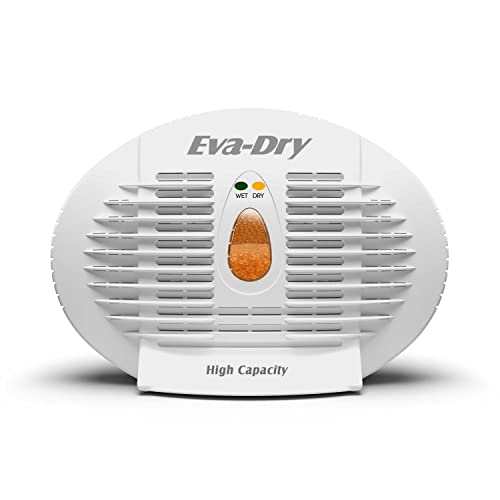 Eva-Dry E-500 Renewable Mini DehumidifierA desiccant brick that needs no power while it works. Right for a wardrobe or a stored trailer, not for a whole damp rig. | Closets and unpowered storage | Strong | |
| 2 | Rechargeable LED HeadlampYou will hook up in the dark more often than you expect, and every one of those jobs needs both hands. | Every hookup after sunset | Strong | |
| 3 | 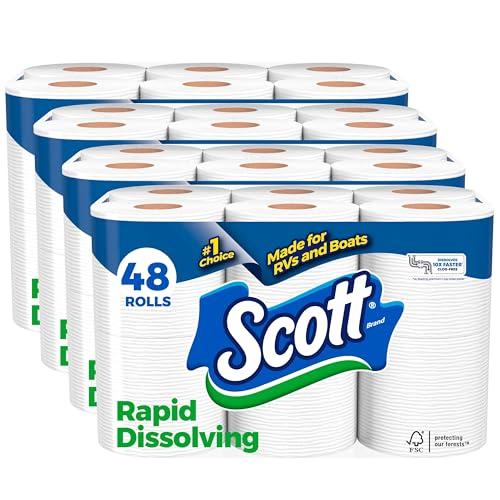 Scott Rapid-Dissolving Toilet PaperDissolves fast enough for a holding tank, costs supermarket money, and you can restock it in any town. | Most people, most of the time | Strong | |
| 4 |  Compact Camping First Aid KitBuy one that lives in the trailer permanently. The kit in your house is not the kit you have at a campsite. | The thing you hope stays sealed | Strong |
Prices come from Amazon and were last checked November 12, 2026. They change constantly, so a price older than 48 hours is withdrawn rather than shown stale — those rows read “Check price on Amazon” instead and go straight to the current listing. #ad — these are affiliate links.
What goes wrong inside a trailer, in order of cost
Interior problems sort cleanly by how much they cost to put right, and that order is not the order people shop in.
Damp is first, and it is not close. A travel trailer is a sealed box with soft furnishings, thin walls and a large temperature swing between day and night. Moisture condenses on the coldest surface it can find, which is usually the inside of an outside wall behind a wardrobe where nobody looks. Left alone through a winter, that becomes a smell, then a stain, then a repair. Nothing else on this page can cost you a wall.
Working in the dark is second. Not dangerous, but it is the thing that turns a ten-minute arrival into forty-five minutes of frustration, and it happens on roughly half of all arrivals because nobody plans to get in late and everybody does.
The toilet is third. Household toilet paper does not break down fast enough for a holding tank, and the failure mode is a clogged black tank, which is a bad afternoon and occasionally a plumber. It is a cheap problem to avoid entirely.
Minor injuries are fourth. Hitching, awnings and campfires produce small cuts and burns with real regularity. The fix is trivial if the kit is in the trailer and annoying if it is at home.
The picks
1. Best for Closets and unpowered storage
Eva-Dry E-500 Renewable Mini Dehumidifier
A desiccant brick that needs no power while it works. Right for a wardrobe or a stored trailer, not for a whole damp rig.
- Specification
- Renewable desiccant, no power while working
- Specification
- Plugs in to dry out and reset
- Specification
- Sized for a small enclosed space
What it does well
- Needs no power while it is working, which is the entire point in a stored trailer
- Renewable rather than disposable. Plug it in, dry it out, use it again
- Small enough to live in a wardrobe permanently
The real tradeoff
- Handles a closet, not a whole trailer
- You have to remember to recharge it, and in storage nobody does
How it measures up
These are judgments from published specifications and what we see at the lodge, not laboratory results. How we choose.
- Beginner fit
- Strong — Put it in the cupboard.
- Capacity
- Adequate — A closet, not a trailer.
- Running cost
- Strong — None while in use.
- Value
- Strong — Cheap, and reusable for years.
2. Best for Every hookup after sunset
Rechargeable LED Headlamp
You will hook up in the dark more often than you expect, and every one of those jobs needs both hands.
- Specification
- USB rechargeable
- Specification
- Hands-free
- Specification
- Red mode on most models
What it does well
- Every job at a pedestal or a sewer inlet needs both hands, and happens in the dark more often than you expect
- Rechargeable means no dead-battery search on a Friday night
The real tradeoff
- Cheap ones have terrible headbands
- Charge it before the trip, not during
How it measures up
These are judgments from published specifications and what we see at the lodge, not laboratory results. How we choose.
- Beginner fit
- Strong — A headlamp.
- Component quality
- Good — Pay for a decent headband.
- Completeness
- Strong — Buy two.
- Value
- Strong — Cheap, and used constantly.
3. Best for Most people, most of the time
Scott Rapid-Dissolving Toilet Paper
Dissolves fast enough for a holding tank, costs supermarket money, and you can restock it in any town.
- Specification
- Rapid-dissolving tissue
- Specification
- Sold in normal supermarket multipacks
- Specification
- Septic and RV rated
What it does well
- Breaks down fast enough for a holding tank without the RV-store markup
- You can buy it in a normal supermarket mid-trip, which specialist tissue often means you cannot
- Feels like ordinary toilet paper, which matters more than anyone admits
The real tradeoff
- Thinner than premium household tissue
- Still worth using less of it than you would at home
How it measures up
These are judgments from published specifications and what we see at the lodge, not laboratory results. How we choose.
- Beginner fit
- Strong — It is toilet paper.
- Dissolve speed
- Strong — The property you are actually buying.
- Availability
- Strong — Any supermarket.
- Value
- Strong — No RV tax.
Specifications from Scott.
4. Best for The thing you hope stays sealed
Compact Camping First Aid Kit
Buy one that lives in the trailer permanently. The kit in your house is not the kit you have at a campsite.
- Specification
- Compact case
- Specification
- Basic wound and burn supplies
- Specification
- Lives permanently in the trailer
What it does well
- Hitching, awnings and campfires produce small injuries with impressive regularity
- A kit that lives in the trailer is a kit you have. The one in the house is not
The real tradeoff
- Cheap kits are padded with plasters and little else, so check the contents list rather than the piece count
How it measures up
These are judgments from published specifications and what we see at the lodge, not laboratory results. How we choose.
- Beginner fit
- Strong — Nothing to learn.
- Component quality
- Adequate — Read the contents, not the piece count.
- Completeness
- Good — Add your own painkillers and tweezers.
- Value
- Strong — Small money.
How these four compare on the only metric that matters
Space taken against problem solved
| Item | Space it occupies | What happens without it |
|---|---|---|
| Renewable moisture absorber | A brick in a wardrobe corner | Condensation behind soft furnishings, then a smell, then a repair |
| Rechargeable headlamp | A drawer pocket | Every after-dark hookup takes twice as long and needs a third hand |
| Rapid-dissolving tissue | One shelf of a bathroom cupboard | Slow breakdown in the black tank, which is the most common clog |
| Compact first aid kit | A shoebox, once | The kit you need is at home in the bathroom cabinet |
Why a desiccant brick rather than an electric dehumidifier
Because the months that matter are the months the trailer is unplugged. An electric dehumidifier removes far more water than a desiccant brick does, and it needs shore power to do it. A stored trailer has no shore power, and storage is exactly when damp does its damage, unattended, for weeks. The renewable absorber needs no power while it works, which is the entire reason it wins at a job the better device cannot do.
If your trailer sits on a powered site for long stretches and genuinely feels damp, buy both and use them for different parts of the year. We separate the two cases properly in the winter storage dehumidifier guide and rank the category in our RV dehumidifier roundup.
The inside categories we deliberately do not recommend yet
A lot of what gets sold as interior RV accessories is organization hardware — collapsible bins, cupboard dividers, command hooks, over-door racks. None of it is bad. All of it is premature.
The problem is that you cannot organize a space you have not used. The storage layout that works in your trailer depends on which cupboards you actually reach for, how you load the pass-through, and where the things you use daily end up naturally. That takes about three trips to learn. Buy the organization hardware in month two, when you know which cupboard is the annoying one, and you will buy the right three items instead of the wrong nine.
The same logic applies to bedding, kitchen gear and anything decorative. Use what you have from the house for the first few trips. You will find out quickly that the pan you brought is too deep for the sink or that the duvet is too bulky for the storage, and then you can buy the solution to a problem you have actually had.
One exception: tank-safe tissue is not optional
Everything above is “wait and see.” Toilet paper is not. The household roll in your bathroom right now is designed to survive a municipal sewer, not to dissolve in forty gallons of standing water, and the first full black tank is not the moment to discover the difference. Buy the tank-safe tissue before the first trip. Our comparison of the two realistic options is on the RV toilet paper page.
The four, in buying order
Damp first, light second, the toilet third, the first aid kit fourth. Everything else waits until you have used the trailer.
Best for Closets and unpowered storage
Eva-Dry E-500 Renewable Mini Dehumidifier
A desiccant brick that needs no power while it works. Right for a wardrobe or a stored trailer, not for a whole damp rig.
Best for Every hookup after sunset
Rechargeable LED Headlamp
You will hook up in the dark more often than you expect, and every one of those jobs needs both hands.
Best for Most people, most of the time
Scott Rapid-Dissolving Toilet Paper
Dissolves fast enough for a holding tank, costs supermarket money, and you can restock it in any town.
Best for The thing you hope stays sealed
Compact Camping First Aid Kit
Buy one that lives in the trailer permanently. The kit in your house is not the kit you have at a campsite.
What to buy for the outside instead
Most of what a new travel trailer actually needs is outside gear, not inside gear: getting level, stopping the trailer rolling, connecting the sewer, keeping the campsite out of the carpet. If you are shopping for the first trip rather than for the cupboards, start with RV accessories for outside and come back to this page in month two.
Questions people actually ask
What should I buy first for the inside of a new travel trailer?
A moisture absorber for the wardrobe. Damp is the only interior problem that gets worse while you are away and the only one that can cost you a wall. After that, a headlamp, tank-safe toilet paper and a first aid kit that stays in the trailer.
Do I need an electric dehumidifier inside my camper?
Only if it is on shore power. An electric dehumidifier removes far more water than a desiccant brick, but it needs power, and the months that matter most are the storage months when the trailer is unplugged.
Can I use normal toilet paper in an RV?
It is a bad idea. Household tissue is built to survive a municipal sewer, not to break down in a holding tank, and slow breakdown is the most common cause of a black tank clog. Rapid-dissolving supermarket tissue costs the same and solves it.
Should I buy storage bins and organizers before my first trip?
No. You cannot organize a space you have not used. Take three trips with what you already own, find out which cupboard is the annoying one, then buy three correct items instead of nine wrong ones.
Sources
Read next
First-Season Starter Kit
RV Accessories for Outside Your Camper
The five outside items a first trip actually needs, sequenced by the order you use them at the site.
First-Season Starter Kit
RV Must-Haves for Beginners
The first-season shortlist, ordered by when you need each item: leaving the lot, arriving, hooking up, the first night, the first dump.
First-Season Starter Kit
Best RV Dehumidifier for Damp Trailers and Winter Storage
Desiccant absorbers versus powered dehumidifiers, matched to camping use and to unpowered winter storage.
First-Season Starter Kit
Best RV Toilet Paper (and Whether You Need Special Tissue at All)
Rapid-dissolving supermarket tissue versus RV-specific tissue, and when the specialist option earns its price.
Reviewed October 11, 2026. Spot something out of date? Tell us and we will fix it.