RV Sewer Hose Storage Ideas
The hose has to live somewhere, it has to be separate from your fresh water gear, and the bumper you were planning to use is probably too small.
Heads up: this page contains affiliate links. If you buy through one, Camp & Chock may earn a commission at no extra cost to you. It never changes which product we put first — how this site is funded.
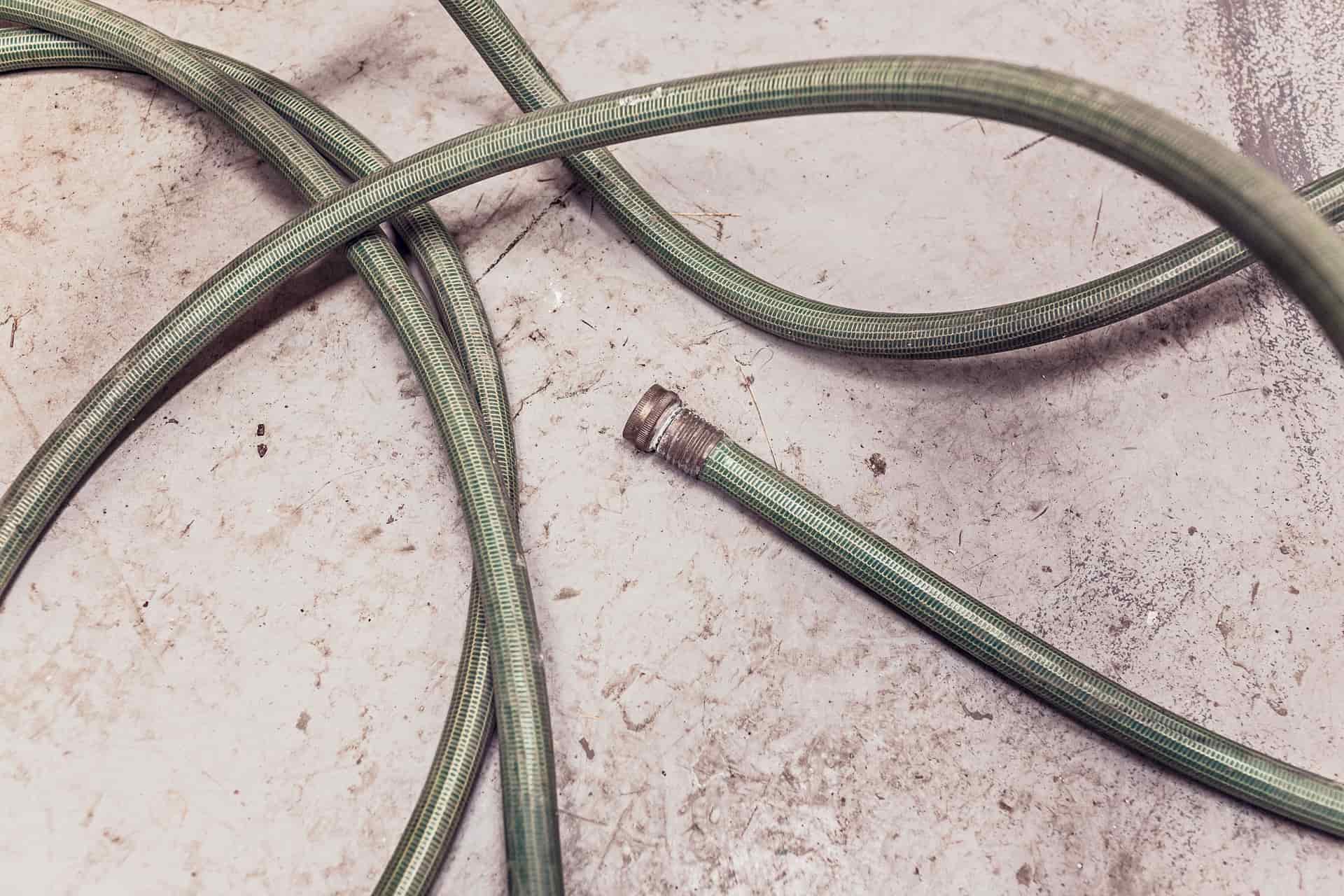
A dedicated sealed tote in the truck bed or a pass-through compartment is the realistic answer for most travel trailers. The rear bumper works only if it is genuinely large enough, and on many trailers it is not — a four-inch bumper will not take twenty feet of three-inch hose no matter how you compress it.
Part of our sewer and water guide. Worth reading before you buy, because storage constrains how much hose you should own — see what size hose you need.
The rule that decides everything
Sewer gear and fresh water gear never share a space. Not a compartment, not a tote, not a shelf. That single rule eliminates several otherwise tempting options, and it is not negotiable.
The corollary is that whatever you choose has to be dedicated. A tote you also use for hookup gear generally will end up holding both, and then you have a fresh water hose that has shared space with a sewer hose.
The options, ranked
| Option | Works for | The catch |
|---|---|---|
| Dedicated sealed tote | Almost everyone | Takes truck bed or cargo space |
| Purpose-built sewer compartment | Trailers that have one | Many do not, or it is too small |
| Rear bumper tube | Larger bumpers only | A 4-inch bumper will not take 20 ft of hose |
| Underbelly carrier or rail-mounted tube | Anyone willing to fit one | An installation job, and ground clearance |
| A compressing support plus short hose | Tight storage | Limits you to a shorter run |
| Loose in a pass-through | Nobody | It touches everything else in there |
The bumper question, answered properly
The hollow rear bumper on many travel trailers has caps on the ends and is genuinely intended for sewer hose storage. The problem is dimensional rather than conceptual.
RV sewer hose is three inches in diameter. A four-inch square bumper has very little clearance around that, and twenty feet of corrugated hose with fittings on it does not compress into the space that remains.
Measure your bumper before assuming. Some larger trailers have bumpers that genuinely fit a ten-foot section, and a few fit more. If yours fits one section, a workable arrangement is one section in the bumper and the second section plus the fittings in a tote.
Also check the caps. Bumper end caps are famous for vibrating loose and delivering a sewer hose onto the highway, which is a memorable way to lose one. If you use the bumper, secure the caps properly.
The tote approach, done well
This is what most people end up doing and it works. A few details make the difference between a good version and an unpleasant one.
Get one with a genuine sealing lid. Not a loose-fitting storage box. Anything that has held a sewer hose should be sealed.
Size it for the whole kit. Hose, fittings, elbow, seal, gloves, and the rinse hose. One box with everything means nothing gets left behind and nothing migrates into a fresh water space.
Let it dry before sealing it. A hose sealed wet stays wet. Drain it properly at the inlet before packing.
Mark it. Obviously and permanently, so nobody helpfully puts something else in it.
What goes in the box
A sectioned hose so you can store less of it, a support that compresses rather than folding long, and the glove box that should never live inside the trailer.
Best for The first sewer hose to own
Camco RhinoFLEX 20-Ft Sewer Hose Kit
The complete first kit: 20 ft in two sections, both fittings, and a clear elbow so you can see when the tank is actually done.

Best for Tight storage
Slunky RV Sewer Hose Support (20 ft)
The one that stores small: it compresses down hard, stretches to the length the site needs, and holds enough slope to drain.
Best for The obvious thing nobody packs
Heavy-Gauge Disposable Nitrile Gloves (box)
Keep a box in the sewer compartment itself. The gloves that live inside the trailer are the gloves you do not use.
If storage is your binding constraint
Two genuine options.
Carry one 10-foot section rather than two. It reaches at most sites. The cost is the occasional site where you have to reposition the trailer or use the dump station instead. For a small trailer with no storage, that is a reasonable trade.
Choose a compressing support rather than a folding one. A folding accordion support stays full-length when folded, which is often the larger of the two storage problems. The compressing type packs down hard — see the support roundup.
What to avoid
A plastic bag. It tears, and then whatever the bag was protecting is no longer protected.
Storing it in the trailer's interior. Obvious, and it still happens on the drive home when people are tired.
An unsecured bumper. See above. Losing a sewer hose at highway speed is memorable.
Sharing with the fresh water hose. The one rule.
Questions people actually ask
Will an RV sewer hose fit in my bumper?
Only if the bumper is large enough. Sewer hose is three inches in diameter, so a four-inch bumper will not take twenty feet of it. Measure before assuming, and secure the end caps if you do use it.
Where should I store my RV sewer hose?
In a dedicated sealed tote, or a purpose-built sewer compartment if your trailer has one. Whatever you choose must be dedicated to sewer gear and never shared with fresh water equipment.
Can the sewer hose share space with the fresh water hose?
No, never. That is the one rule in this area. Keep them in separate containers or compartments, permanently.
How do I stop the sewer hose smelling in storage?
Rinse it thoroughly at the inlet, let it drain and dry properly before packing, and store it in a sealed container. A hose sealed while still wet stays wet.
Can I store the hose in the pass-through with everything else?
Only inside a sealed container. Loose in a shared compartment it touches everything else in there, which is exactly what you are trying to avoid.
Sources
Read next
Sewer & Water
Best RV Sewer Hose for a First Travel Trailer
Complete sewer hose kits compared on length, wall thickness, fittings and storage, for someone doing this for the first time.
Sewer & Water
What Size RV Sewer Hose Do I Need?
Sewer hose length and diameter settled, with a table matching site layouts to the length you will actually need.
Sewer & Water
Best RV Sewer Hose Support
Folding and compressing hose supports compared, plus why the homemade versions usually disappoint.
Reviewed September 25, 2026. Spot something out of date? Tell us and we will fix it.