What Size RV Sewer Hose Do I Need?
Diameter is not a decision, it is a standard. Length is the decision, and the answer for almost everyone is twenty feet supplied as two sections.
Heads up: this page contains affiliate links. If you buy through one, Camp & Chock may earn a commission at no extra cost to you. It never changes which product we put first — how this site is funded.
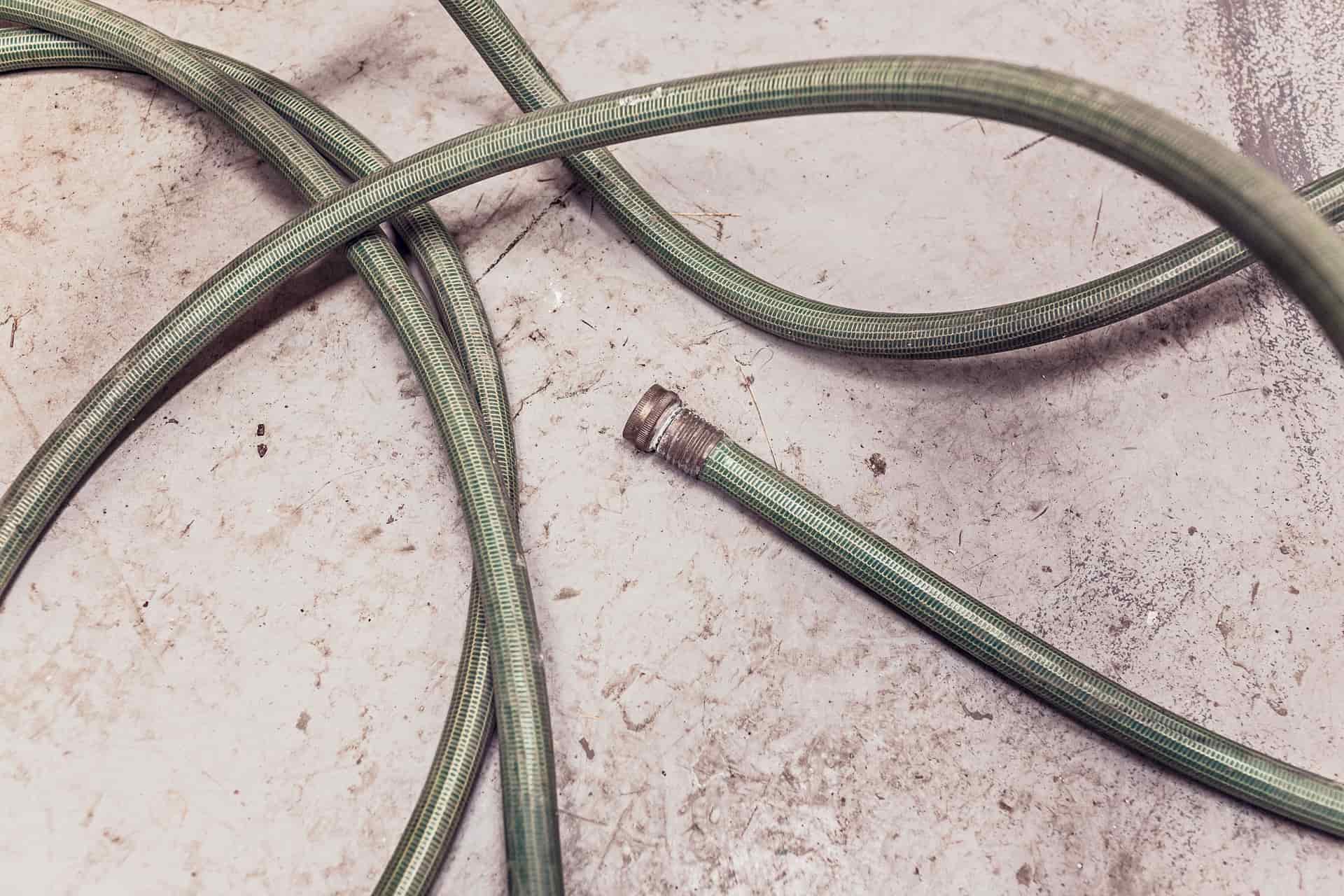
Buy 20 feet, supplied as two 10-foot sections. The diameter is standardized at three inches, so that is not a choice you have to make. Ten feet reaches at the majority of sites; the second section covers the ones where the inlet is at the wrong end of the pad, and those are common enough to matter.
Part of our sewer and water guide. Once you have settled the length, the kit choice is in the sewer hose roundup.
The short version
| Site layout | Length needed | Notes |
|---|---|---|
| Inlet beside your outlet | 10 ft | The common, easy case |
| Inlet a few feet forward or back | 10 ft | Still fine with a support |
| Inlet at the far end of a long pad | 20 ft | This is why you carry the second section |
| Back-in site, inlet on the wrong side | 20 ft | Occasionally 20 is still tight |
| Shared inlet between two pads | 20 ft or more | Rare. Ask the park before booking |
| Dump station | 10 ft | Dump stations are positioned sensibly |
Diameter: not a decision
RV sewer hose is three inches in diameter, and the bayonet fitting at the rig end is a common standard across brands. That means hoses, couplers, elbows and adapters generally interchange regardless of who made them.
The practical consequence is good news: you cannot buy the wrong diameter, a mid-trip replacement section does not have to match your existing brand, and a spare fitting is never wasted. Brand differences are covered in Camco versus Valterra.
Why two 10-foot sections beats one 20-foot hose
A single 20-foot hose means that at every site where you only need 10, you are laying ten feet of slack hose on the ground. Slack means dips, dips hold liquid, and liquid sitting in a hose is exactly what you are trying to avoid.
Two sections let you run the length the site actually needs. It also means a damaged section is half a replacement rather than a whole one, and that you can lend a section to the neighbor who came up short.
Longer is not better
Thirty or forty feet sounds like insurance. In practice it is more bulk to store, more to rinse, more to carry, and more length over which to lose your slope. Over a long run the fall from your outlet to the park's inlet has to be spread thinner, and slope is what makes the tank drain properly.
Twenty feet, in two sections, plus a support, handles almost everything. Anything beyond that is solving a problem you will meet a handful of times in a decade.
What to buy
A 20-foot kit in two sections, a support the same length, and a clear elbow so you can see when the tank has finished.
Best for The first sewer hose to own
Camco RhinoFLEX 20-Ft Sewer Hose Kit
The complete first kit: 20 ft in two sections, both fittings, and a clear elbow so you can see when the tank is actually done.

Best for The support most people should buy
Camco Sidewinder RV Sewer Hose Support (20 ft)
The item first-timers most often arrive without: a fixed-slope cradle that makes the tank actually drain instead of sit.
Best for Seeing when the tank is done
Camco RhinoFLEX Clear 45-Degree Sewer Adapter
The clear elbow: the cheapest way to know a black tank is genuinely empty rather than probably empty.
What to do when it will not reach
It happens. Options, in order of preference:
Reposition the trailer. Free, and usually possible. Moving four feet forward is much easier than anything else on this list.
Add your second section. Which is why it is in the compartment.
Ask the park. Many parks have a spare section behind the office for exactly this, because it happens to somebody every week.
Use the dump station instead. Perfectly reasonable for a short stay. Connect nothing, dump on the way out.
What not to do is stretch a hose taut between the rig and the inlet. A hose under tension pulls on both fittings, and the fitting is where these fail.
Sizes of the other things people ask about
The sewer inlet at the park is typically a four-inch opening, which is why the clear elbow has a stepped or threaded adapter on it. That is also why a rubber donut seal fits the inlet rather than the hose.
Your rig's outlet is a three-inch bayonet. Universal in practice across travel trailers.
The tank rinse inlet, if your trailer has one, is a garden hose thread. Use a dedicated rinse hose for it, never your drinking-water hose — see the black tank flush guide.
Questions people actually ask
What size RV sewer hose do I need?
Twenty feet total, supplied as two ten-foot sections. The diameter is standardized at three inches so there is no diameter decision to make.
Are all RV sewer hoses the same size?
The diameter is, at three inches, and the bayonet fitting at the rig end is a common standard. Length, wall thickness and fitting quality are what vary between products.
What length RV sewer hose should I get?
Twenty feet in two sections. Ten feet reaches at most sites and the second section covers the ones where the inlet is at the far end of the pad.
Is a longer sewer hose better?
No. More length means more bulk to store, more to rinse, and less fall per foot over the run, which makes the tank drain worse rather than better.
How do you connect two RV sewer hoses together?
With the coupler that comes with a sectioned kit. Both ends use the same bayonet standard, so sections from different brands generally join without an adapter.
What if the hose will not reach the inlet?
Reposition the trailer first, then add your second section, then ask the park, which often has a spare. Do not stretch a hose taut between the rig and the inlet, because tension pulls on the fittings.
Sources
Read next
Sewer & Water
Best RV Sewer Hose for a First Travel Trailer
Complete sewer hose kits compared on length, wall thickness, fittings and storage, for someone doing this for the first time.
Sewer & Water
How to Hook Up an RV Sewer Hose (Step by Step)
The full sewer connection and dumping sequence, in order, with the two checks that prevent the story you tell for years.
Sewer & Water
RV Sewer Hose Storage Ideas
Where to actually store a sewer hose, why the bumper usually will not work, and the separation rule that matters.
Sewer & Water
Camco vs Valterra Sewer Hose: Which Kit to Buy
The two main sewer hose brands compared on fittings, availability and what actually fails first.
Reviewed September 25, 2026. Spot something out of date? Tell us and we will fix it.