Best RV Security Camera for a Travel Trailer
Most cameras sold as RV security cameras assume a wifi router and a wall socket. A stored trailer has neither, which is why the right pick depends almost entirely on where yours is parked when nobody is looking at it.
Heads up: this page contains affiliate links. If you buy through one, Camp & Chock may earn a commission at no extra cost to you. It never changes which product we put first — how this site is funded.
The short answer
Answer one question before you look at a single camera: is there power and a network where the trailer sits when you are not there? In a storage lot the answer is no, and the only cameras that work are cellular ones with their own solar panel — a wifi camera there is a dead device with a nice app. In your own driveway, a solar wifi camera does the job without running a cable, and inside the trailer a cheap wired camera on a powered site covers the pets and the contents. And be clear about the limit: a camera records a theft, it does not prevent one. If the trailer is somewhere you cannot see it for weeks, a GPS tracker is the better first purchase.
Part of our towing and security guide. If you have not bought any security gear yet, start with the camper security stack, which puts locks before electronics for reasons this page will not argue with. And if you came here looking for the camera that helps you reverse the trailer, that is a completely different product — the backup camera roundup is the one you want.
Our picks at a glance
Tap any row to jump to the full write-up.
| # | Product | Best for | Beginner fit | Price |
|---|---|---|---|---|
| 1 | 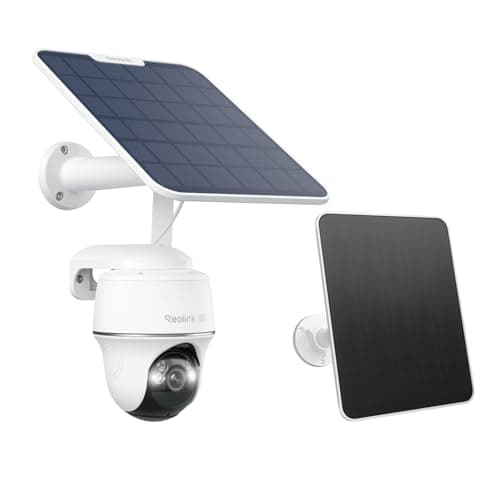 Reolink Go PT UltraThe storage-lot camera. Cellular and solar, so it needs neither the router nor the socket a stored trailer lacks - and it is the only pick here that keeps working when the trailer is alone for a month. | A trailer parked where there is no wifi and no power - storage lots especially | Good | |
| 2 | 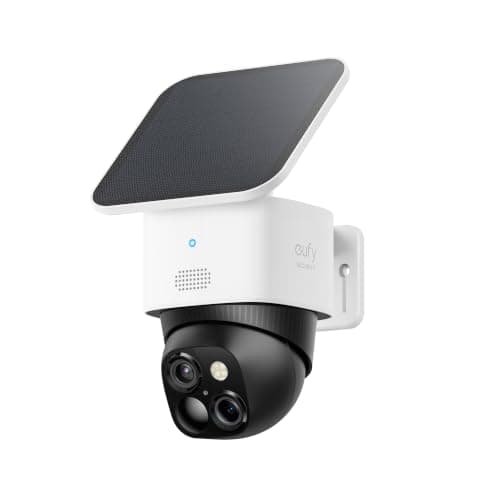 eufy SoloCam S340The driveway camera: solar, no wires, no subscription, and it watches the trailer while it sits on your own wifi between trips. | A trailer kept at home, where there is wifi but no spare outdoor socket | Good | |
| 3 | 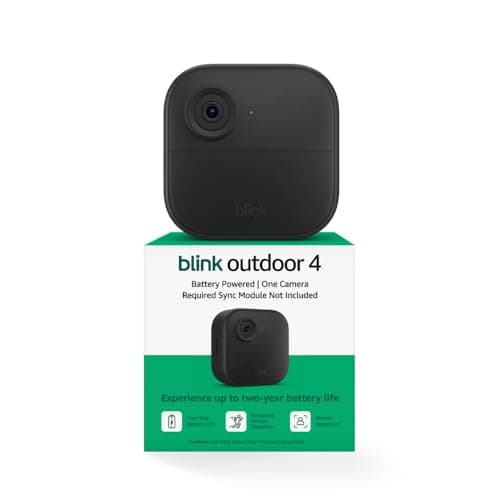 Blink Outdoor 4 (1-camera system with Sync Module)The set-and-forget battery camera. Longest published battery life of the wifi picks, lowest resolution, and still needs a network wherever you put it. | A battery camera you move around - campsite one week, driveway the next | Strong | |
| 4 | 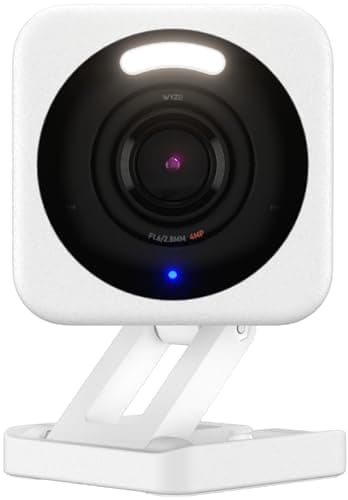 Wyze Cam v4The cheap one that earns its place inside the trailer or on a powered site. Not an unattended-storage camera, and we would rather say so than sell you one. | Watching the inside of the trailer, or a hookup site with power and a hotspot | Strong | |
| 5 | 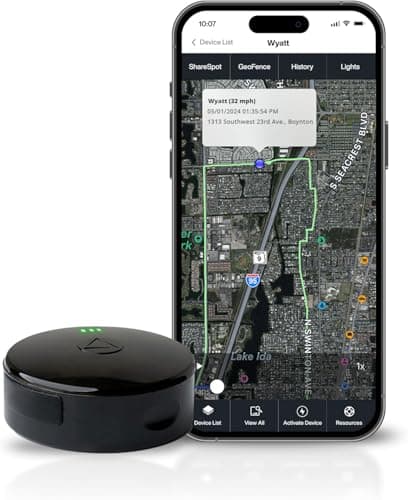 LandAirSea 54 GPS TrackerThe recovery layer. Every lock on this page is a delay; this is the only thing that tells you where the trailer went. Price the subscription in before you buy. | Getting the trailer back after it is already gone | Good |
Prices come from Amazon and were last checked November 12, 2026. They change constantly, so a price older than 48 hours is withdrawn rather than shown stale — those rows read “Check price on Amazon” instead and go straight to the current listing. #ad — these are affiliate links.
Why “best RV security camera” is the wrong search
Search it and you get the same list of house cameras you would get for a porch, because that is what the market sells. They are good cameras. The problem is that every one of them assumes two things a camper does not have between trips: a wifi network and a socket.
Look at the autocomplete around this query and you can see owners working that out in real time — “no wifi”, “cellular”, “solar”, “12 volt”. Those are not feature preferences. They are people discovering after the purchase that the camera they bought cannot reach anything from a gravel lot behind a fence.
So the useful way to shop is backwards from the parking spot:
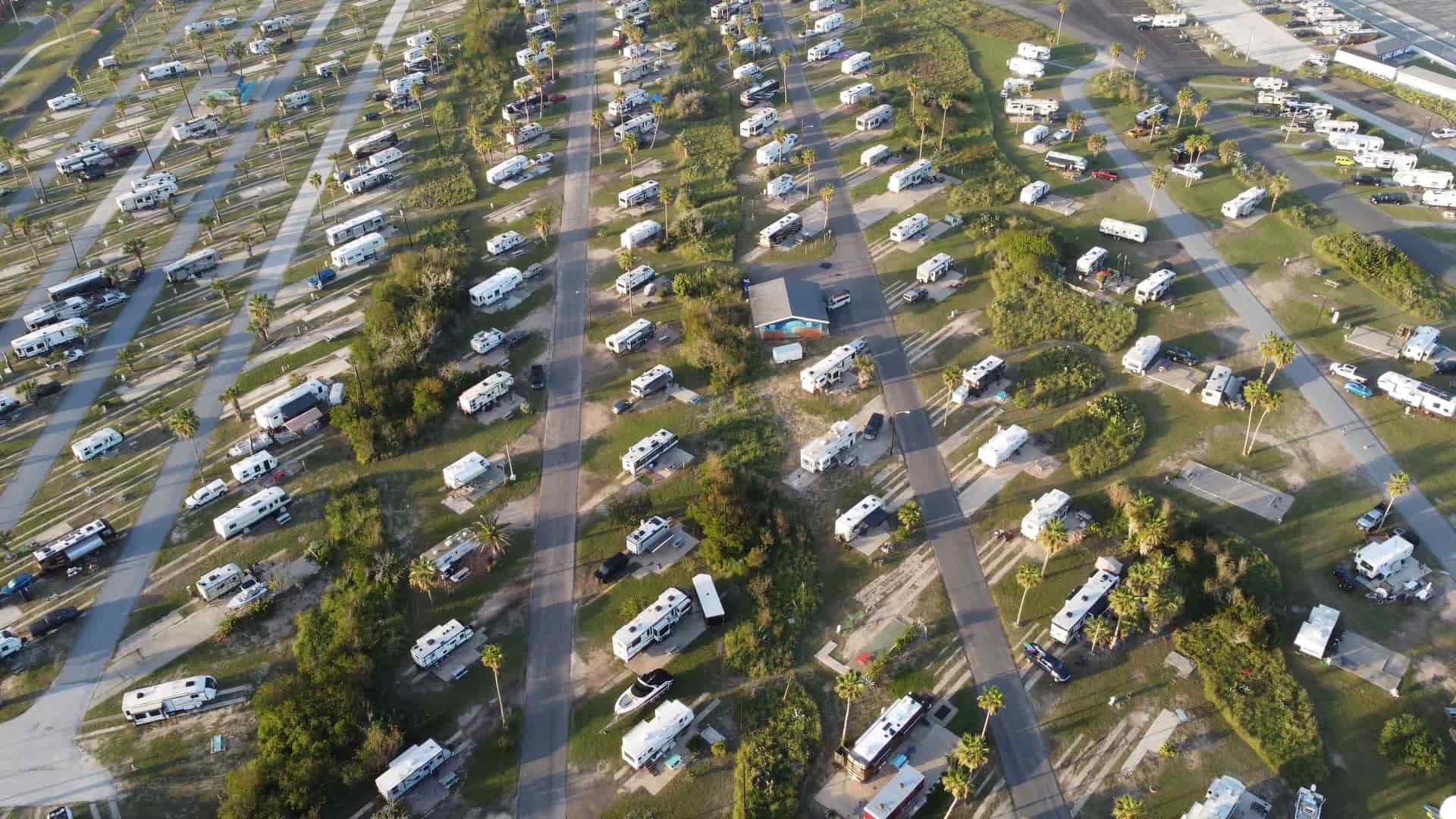
Storage lot, visited monthly. No power, no network, often no good cell signal either. Cellular plus solar, or nothing. And honestly consider a tracker instead — see the last pick on this page.
Your own driveway or side yard. Your house wifi usually reaches. Solar battery camera, no cable run, no subscription.
A campground with hookups, while you are there. Power is available and a phone hotspot covers the network. Any cheap wired camera works, and the thing most owners actually want to watch is the dog inside the trailer.
Boondocking. No power, no signal, and you are twenty feet away. This is not a camera problem. Lock the coupler and sleep well.
How we choose
Does it work with the power and signal that exist there? This is the whole ranking, and it is why a 4G camera with a solar panel outranks sharper, cheaper cameras. A camera that is offline is worth nothing, however good its sensor.
Does it record locally? A camera that only stores clips in the cloud loses the footage when the connection drops — which, on a trailer, it will. Every pick here can write to a card or to onboard storage.
What does it cost after the purchase? Cloud plans and SIM data are real money every month for as long as you own the camera. We say plainly which picks have an ongoing cost and which do not, because over three seasons the subscription can outrun the hardware.
Will it survive being on a trailer? Weather rating, cold rating, and whether the mount can take highway vibration if you leave it fitted. A camper is a harsher home than a porch.
Is a camera even the right purchase? We keep asking it through the page. Recovery after the fact is a tracker’s job and prevention is a lock’s job; a camera sits between the two and is usually the third thing to buy, not the first.
We do not test products and say so on how we choose. Every battery life, range and resolution figure below is the manufacturer’s published specification, linked at the end — not a number we measured in a storage lot. Where a figure depends on assumptions, such as a solar panel getting real sun, we say so rather than repeating it as a promise.
The picks, by where the trailer sits
1. Best for A trailer parked where there is no wifi and no power - storage lots especially
Reolink Go PT Ultra
The storage-lot camera. Cellular and solar, so it needs neither the router nor the socket a stored trailer lacks - and it is the only pick here that keeps working when the trailer is alone for a month.
- Specification
- 4G LTE with a prepaid SIM included; the US version switches between AT&T and T-Mobile for the stronger signal, so no wifi is required
- Specification
- 3840 x 2160 (8 MP) at 15 fps
- Specification
- 355 degrees of pan and 140 degrees of tilt
- Specification
- 21.6 Wh rechargeable battery, published at about two months per charge, and the current listing bundles a Reolink solar panel with the camera
- Specification
- microSD card up to 128 GB for local recording; cloud is optional
- Specification
- IP64, infrared night vision to 33 ft plus dual 2.4 W spotlights for color night video
- Specification
- 2-year limited warranty
What it does well
- The only camera type that works on a stored trailer, because it brings its own network and its own power - everything else here assumes a wifi router and a socket the trailer does not have
- Records to a card in the camera, so a dropped connection does not mean a lost clip
- Pan and tilt from the app means one camera can cover the tongue, the door and the bay doors instead of three
The real tradeoff
- The SIM needs a data plan after the included trial, so this is the one pick here with an ongoing cost - budget it as part of the price
- LTE is only as good as the signal where the trailer sits. A metal storage building or a rural lot can leave it with nothing to report to
- IP64 is splash-rated, not pressure-washer rated, and the solar panel needs real sky - a covered storage row defeats the whole product
- Battery life is a published figure under the maker's assumptions, not a measurement we took
How it measures up
These are judgments from published specifications and what we see at the lodge, not laboratory results. How we choose.
- Beginner fit
- Good — App setup is simple; the SIM plan is the fiddly part.
- Install effort
- Good — Mount it, aim the panel at the sky, done.
- Works unattended
- Strong — No wifi, no mains power, local card storage.
- Value
- Good — Real money, plus data - and nothing else does this job.
Specifications from Reolink Go PT Ultra published specifications.
2. Best for A trailer kept at home, where there is wifi but no spare outdoor socket
eufy SoloCam S340
The driveway camera: solar, no wires, no subscription, and it watches the trailer while it sits on your own wifi between trips.
- Specification
- 3K dual-lens, published at 2880 x 1620 on the wide lens and 2304 x 1296 on the telephoto, with hybrid 8x zoom
- Specification
- 344 degrees of pan and 10 to 70 degrees of tilt, which eufy sells as 360-degree coverage
- Specification
- Removable, adjustable 2.2 W solar panel; eufy publishes three months standalone, measured at 300 seconds of recording a day
- Specification
- Recording storage is built into the camera - eufy publishes 8 GB of onboard eMMC - and there is no monthly fee for local recording
- Specification
- 2.4 GHz wifi only
- Specification
- Color night vision with a spotlight and an f/1.6 lens; eufy publishes weather protection and an operating range of -4 F to 122 F rather than an IP figure
What it does well
- Local storage with no subscription, which over three seasons is the difference between a camera and a camera plus a bill
- Solar plus battery means no cable run to a driveway or a side yard where the trailer parks
- The dual lens and 360-degree pan cover a whole trailer flank from one mounting point
The real tradeoff
- Wifi only. It is the wrong camera for a storage lot, and the searches for an RV security camera with no wifi exist because people buy this class of camera for one
- 2.4 GHz only, so a mesh network that steers devices to 5 GHz can make setup annoying
- Three months is a published figure that assumes the panel gets sun and 300 seconds of recording a day; a shaded north wall is a different story
- Storage is the 8 GB built into the camera. Expandable local storage is a feature of the multi-camera kits that ship with a HomeBase, not of this single-camera listing, so 8 GB of 3K clips is a deterrent record rather than an archive
How it measures up
These are judgments from published specifications and what we see at the lodge, not laboratory results. How we choose.
- Beginner fit
- Good — Quick app setup, no wiring.
- Install effort
- Good — One bracket; aim the panel at the sun.
- Works unattended
- Adequate — Only where your own wifi reaches.
- Value
- Good — No monthly fee is most of the case for it.
Specifications from eufy SoloCam S340 published specifications.
3. Best for A battery camera you move around - campsite one week, driveway the next
Blink Outdoor 4 (1-camera system with Sync Module)
The set-and-forget battery camera. Longest published battery life of the wifi picks, lowest resolution, and still needs a network wherever you put it.
- Specification
- 1080p HD video
- Specification
- 143 degree diagonal field of view
- Specification
- Two AA lithium cells, published at up to two years on default settings
- Specification
- IP65 weather rating
- Specification
- Requires a Blink Sync Module, which is included in the 1-camera system box but NOT with the cheaper add-on camera listing
- Specification
- Optional weather-resistant power adapter sold separately
What it does well
- Two years on a pair of AA cells is the longest unattended run of any battery camera here, and there is no panel to aim at the sun
- Small and light enough to move with the trailer and re-mount somewhere else without tools
- The 1-camera kit includes the Sync Module, so the box is actually a complete system
The real tradeoff
- Wifi, through the Sync Module. Same storage-lot problem as the rest of the wifi cameras
- 1080p is the lowest resolution here - fine for seeing that someone is there, weak for reading a plate
- Clip storage and smarter detection push you toward a Blink subscription, and the two-year battery figure assumes default settings, not constant recording
How it measures up
These are judgments from published specifications and what we see at the lodge, not laboratory results. How we choose.
- Beginner fit
- Strong — Batteries in, app, done.
- Install effort
- Strong — No cable, no panel, no socket.
- Works unattended
- Adequate — Long battery life, but still needs wifi.
- Value
- Strong — Cheapest complete camera-plus-hub kit.
Specifications from Blink Outdoor 4 technical specifications.
4. Best for Watching the inside of the trailer, or a hookup site with power and a hotspot
Wyze Cam v4
The cheap one that earns its place inside the trailer or on a powered site. Not an unattended-storage camera, and we would rather say so than sell you one.
- Specification
- 2.5K QHD, 2560 x 1440
- Specification
- 115.8 degree diagonal field of view
- Specification
- IP65 weather resistant
- Specification
- Published operating range -4 F to 122 F
- Specification
- microSD up to 256 GB; local recording works without a subscription
- Specification
- 2.4 GHz wifi only, no 5 GHz
- Specification
- Wired: 5 V USB power, 6 ft cable supplied, outdoor use needs a suitable adapter
What it does well
- Cheap enough that leaving one in the trailer is barely a decision, and it records to a card without a plan
- The published cold rating is genuinely useful on a camper, where a shoulder-season night goes below freezing
- A good indoor camera for the pet-in-the-trailer problem, which is what a lot of owners actually want to watch
The real tradeoff
- It needs mains power and a network, and a stored trailer has neither. Do not buy this for a storage lot
- AI detection - person, package, vehicle - is behind a Cam Plus subscription; the free tier is motion and sound
- 2.4 GHz only, and the supplied adapter is an indoor one, so outdoor mounting needs more parts than the box implies
How it measures up
These are judgments from published specifications and what we see at the lodge, not laboratory results. How we choose.
- Beginner fit
- Strong — Plug in, scan, done.
- Install effort
- Adequate — Needs a socket, and outdoors needs a weatherproof adapter.
- Works unattended
- Weak — No power and no network means no camera.
- Value
- Strong — The least expensive real camera here.
Specifications from Wyze Cam v4 published specifications.
5. Best for Getting the trailer back after it is already gone
LandAirSea 54 GPS Tracker
The recovery layer. Every lock on this page is a delay; this is the only thing that tells you where the trailer went. Price the subscription in before you buy.
- Specification
- IP67 rated for water and dust, with a built-in magnet mount
- Specification
- Housing roughly 2.3 in across
- Specification
- 4G LTE CAT M1 / CAT NB1 / EGPRS cellular, GNSS positioning
- Specification
- Monthly subscription required for the SIM service
What it does well
- The only item on this page that still works after the trailer has left. Locks buy you time; a tracker buys you a location
- The magnet means there is no install - it goes somewhere out of sight on the frame and stays there
- Small and sealed enough not to be obvious, which is the entire point of it
The real tradeoff
- There is a monthly subscription. Budget for the service as well as the device, because the hardware does nothing without it
- Battery life depends on how often you ask it to report - the manufacturer quotes roughly 1 to 3 weeks at frequent reporting and far longer in a low-power mode, so a stored trailer needs a charging habit
- It needs cellular coverage. In the remote spot where you would most want a tracker, it may have none
How it measures up
These are judgments from published specifications and what we see at the lodge, not laboratory results. How we choose.
- Beginner fit
- Good — App setup, then a magnet on the frame.
- Install effort
- Strong — None. It sticks.
- Deterrence
- Weak — Hidden by design, so it deters nobody.
- Value
- Adequate — Modest hardware; the subscription is forever.
Specifications from LandAirSea 54 specification sheet.
What each pick needs in order to work at all
| Pick | Network | Power | Ongoing cost |
|---|---|---|---|
| Reolink Go PT Ultra | 4G LTE, SIM included - no wifi needed | Battery plus 6 W solar panel | A SIM data plan after the trial |
| eufy SoloCam S340 | 2.4 GHz wifi only | Battery plus removable solar panel | None - 8 GB of storage built into the camera, no monthly fee |
| Blink Outdoor 4 | Wifi, through a Sync Module | Two AA lithium cells, published up to two years | Optional Blink plan for clip storage |
| Wyze Cam v4 | 2.4 GHz wifi only | Wired, 5 V USB | Optional Cam Plus for AI detection |
| LandAirSea 54 tracker | Cell network, not wifi | Internal battery, magnetic mount | Subscription required to see anything |
Every row has a blank in it and the blanks are different, which is the argument against buying one camera for every situation. If the trailer lives in two places — your driveway in season, a lot over the winter — the honest answer is that one device will not cover both.
If you only buy one
Trailer in a storage lot: the cellular solar camera, or the tracker if the lot has no sky and no signal. Trailer in your driveway: the solar wifi camera, no cable, no subscription. Trailer with you at a hookup site: the cheap wired camera, pointed at the inside.
Best for A trailer parked where there is no wifi and no power - storage lots especially
Reolink Go PT Ultra
The storage-lot camera. Cellular and solar, so it needs neither the router nor the socket a stored trailer lacks - and it is the only pick here that keeps working when the trailer is alone for a month.
Best for A trailer kept at home, where there is wifi but no spare outdoor socket
eufy SoloCam S340
The driveway camera: solar, no wires, no subscription, and it watches the trailer while it sits on your own wifi between trips.
Best for Getting the trailer back after it is already gone
LandAirSea 54 GPS Tracker
The recovery layer. Every lock on this page is a delay; this is the only thing that tells you where the trailer went. Price the subscription in before you buy.
What a camera on a camper actually gets you
A notification while there is still time to act. This is the real value. A motion alert at 2 a.m. from a driveway camera is actionable; the same event discovered three weeks later in a storage lot is not.
Evidence for the insurance claim and the police report. Useful, and worth more at 4K than at 1080p, which is one of the few places resolution genuinely matters here.
An eye on the dog. Not a security feature, and the reason a lot of owners buy a camera in the first place. A cheap indoor camera plus the trailer’s shore power does this better than any outdoor model.
A visible deterrent, sometimes. A camera on the side of a trailer does make an opportunist pick a different trailer. It is a weaker deterrent than a steel boot on a wheel, because the boot cannot be unplugged and is obvious from across the lot.
What it does not get you
Prevention. Nothing about recording stops a trailer being hitched and driven away. Prevention is a coupler lock and a wheel lock, which is why they sit above every camera in the security stack.
Coverage of the whole trailer. One camera covers one flank. A 30-foot travel trailer has four sides, and the tongue is where the theft happens.
Anything at all in a covered storage row. No sky means no solar, and a steel roof often means no usable LTE either. In that situation a tracker on an internal battery is the only device that reports anything.
Help while you are towing. Rear visibility on the road is a different product with a different mount and a different screen — the camera system roundup and wired vs wireless cover that side.
Mounting one on a trailer without regretting it
Decide whether it travels. A camera left mounted gets highway vibration, bugs and pressure washing. Most owners are better off with a magnetic or bracket mount they can take off in ten seconds and stow in the bay.
Point it at the tongue, not at the door. The hitch area is where a theft begins and it is also where anyone walking up to the trailer has to pass. The entry door is the second priority, not the first.
Aim the solar panel at the sky, not at the view. On a solar camera the panel placement decides whether the thing is alive in March. Panel high and south-facing, camera wherever the cable reaches.
Put a card in it. Local recording is what saves the clip when the network drops, and the card is usually not in the box.
Test it from somewhere else. Drive away, open the app, and confirm you get video and an alert. A camera verified only while you stood next to it is a camera you are trusting on faith.
What to skip in a first season
A wifi camera for a storage lot. This is the single most common wasted purchase in this category. No router, no camera.
Hub-and-sensor home alarm kits. They assume mains power and permanent internet, which is the same mismatch in a bigger box.
A camera instead of a lock. If the budget covers one thing and the trailer is parked anywhere unattended, buy the coupler lock. It is cheaper and it prevents rather than records.
Four cameras on a 25-foot trailer. One good camera on the tongue side, honestly placed, beats four cheap ones whose batteries all die in the same week. Spend the rest on the rest of the first-season kit — or on getting the door and bay locks off the factory key code, which costs less than a camera and fixes something real.
Questions people actually ask
Can I use an RV security camera without wifi?
Yes, but only a cellular one. A 4G LTE camera with its own SIM brings its own network and does not need a router, which is what makes it the only workable choice for a storage lot. Every wifi camera - solar, battery or wired - needs a network it can reach, and a stored trailer has none. Budget a data plan as part of the price of the cellular route.
Do RV security cameras need power?
All of them need power from somewhere; the question is whether it comes from a socket, a battery or the sun. A wired camera needs shore power, which only exists on a hookup site. A battery camera runs for weeks to months on its own and then needs charging. A solar camera is the only type that can stay alive unattended, and only if the panel actually gets sky.
What is the best security camera for a camper in storage?
A cellular camera with a solar panel, because a storage lot has neither wifi nor a socket. Before buying one, check the signal at the lot and whether your row is covered - a steel roof can defeat both the panel and the LTE connection. If it does, a GPS tracker on an internal battery is the device that still reports something.
Is a camera or a GPS tracker better for a travel trailer?
They do different jobs. A camera tells you something is happening, if it has signal and if you see the alert. A tracker tells you where the trailer went after it has already gone, which is what actually leads to a recovery. For a trailer stored somewhere you visit monthly, the tracker is usually the better first purchase; for a trailer in your own driveway, the camera is.
Will a security camera stop my camper being stolen?
Not by itself. A camera records; it does not prevent. Theft of a towable is prevented - as much as it can be - by a coupler lock, a wheel lock and a locking receiver pin, which is why those sit above cameras in our camper security stack. Buy the camera as the layer that tells you and documents it, not as the layer that stops it.
Do I need a subscription for an RV security camera?
Not necessarily. Two of the picks here record to onboard storage or a microSD card with no monthly fee at all. Subscriptions buy cloud clip history and smarter detection, and a cellular camera needs a SIM data plan regardless. Over three seasons the recurring cost can exceed the camera, so it belongs in the purchase decision rather than in a surprise.
Can I leave the camera mounted while towing?
You can, but most owners should not. Highway vibration, road grit, bugs and pressure washing all shorten the life of a device designed for a house wall. A bracket or magnetic mount you can remove in a few seconds, with the camera stowed in a bay in transit, is the arrangement that survives a season.
Sources
Read next
Towing & Security
Best Camper Security System for a Travel Trailer
The five security layers worth buying for a travel trailer, ranked in the order to buy them and honest about what each one does not do.
Towing & Security
Best RV Door Lock for a Travel Trailer
Keyless, keypad and plain replacement RV door locks, ranked for a first travel trailer - with the cutout and handing measurements that decide which ones can fit your door.
Towing & Security
Best RV Camera System
What makes a camera setup a system, how many channels a travel trailer actually needs, and which option expands.
Towing & Security
Best Trailer Coupler Lock
Coupler locks compared on deterrence, fit and weight, with fitting instructions and the sizing check to do first.
Reviewed November 4, 2026. Spot something out of date? Tell us and we will fix it.