How Often Should You Dump an RV Black Tank?
The answer is a fill level, not a number of days. Volume is what carries solids out, which is why dumping too often causes the problem people dump to avoid.
Heads up: this page contains affiliate links. If you buy through one, Camp & Chock may earn a commission at no extra cost to you. It never changes which product we put first — how this site is funded.
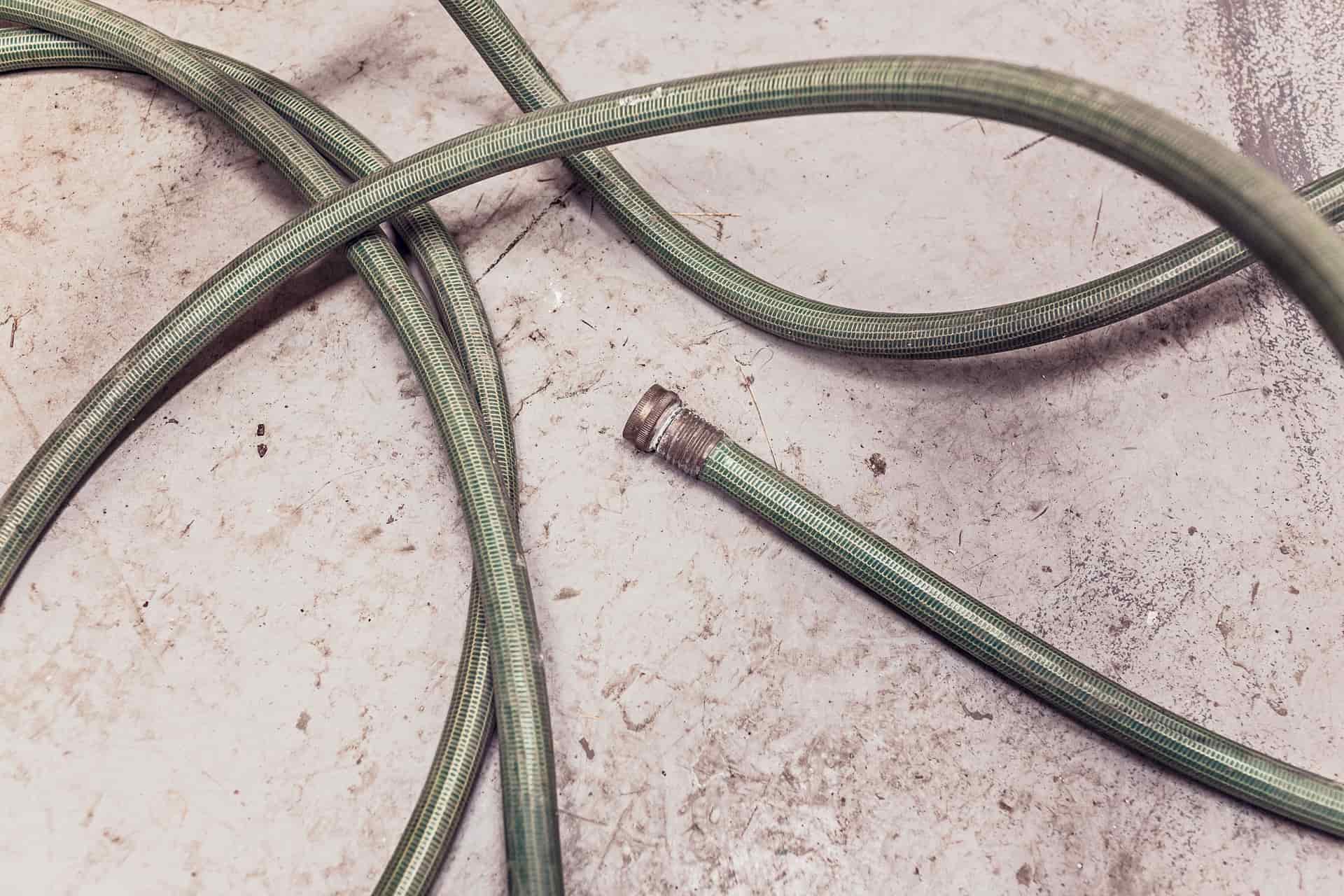
Dump the black tank when it is at least two-thirds full, not on a schedule. Volume is what carries solids out of the tank, so a mostly empty tank dumped often leaves more behind than a full tank dumped occasionally. For two people using the trailer’s bathroom normally that usually lands somewhere between three days and a week, but the fill level is the instruction and the day count is only ever a side effect of it.
Part of our sewer and water guide. If you have not dumped a tank before, start with how to hook up an RV sewer hose — this page is about timing rather than technique.
Why fill level, and not days
A black tank empties through a three-inch valve at the bottom. What pushes the contents through it is the weight and movement of the water above. With the tank two-thirds full or more, opening the valve produces a rush that carries solids with it. With four inches of liquid in the bottom, the liquid leaves and the solids stay where they are, dry out, and build up.
That is why the advice to dump every morning on principle is actively counterproductive, and it is also why the single worst habit in this category is leaving the black valve open at a full hookup site. An open valve means the tank never holds volume at all: liquid drains continuously, solids accumulate permanently, and you have engineered the exact failure that tank treatments exist to prevent.
When to open each valve
| Tank | When to dump | Valve between dumps |
|---|---|---|
| Black | At two-thirds full or more | Closed, always, including at a full hookup site |
| Gray | After the black tank, so it rinses the hose | Closed if you want it for rinsing, open is tolerable at a hookup |
| Both, before travel | Dump both before a long drive if you can | Closed while driving |
| Both, before storage | Dump, rinse and leave empty | Closed, with the tanks dry |
The order matters as much as the timing: black first, then gray. The gray water runs through the same hose and rinses it out on the way, which is free and saves you doing it by hand.
How to tell when the tank is two-thirds full
Trailer tank sensors are notoriously unreliable, because the thing they are measuring tends to stick to them. A sensor reading two-thirds on a trailer that has been used for three days is plausible; a sensor stuck at full since last season is telling you about the sensor.
Three more dependable approaches, in increasing order of effort.
Count usage. You know roughly how many flushes the trailer has had and roughly what the tank holds, which is printed in the owner’s manual. This is approximate and it is more reliable than a dirty sensor.
Listen and look at the clear elbow when you dump. This is retrospective but it calibrates you fast: after two or three dumps you will know what three days of use looks like in your rig.
Clean the sensors. A tank rinse with the valve closed, filled and held, then dumped, is what eventually gets sensors reading again. That is the rinse routine in the black tank flush guide.
Dumping without a sewer hookup
A dry site or a site with water and power but no sewer changes the question from “when” to “how,” and there are only three answers.
Move the trailer to the dump station. Free, and it means packing up. Fine for the end of a trip, poor in the middle of one.
Use a portable waste tank. You fill the tote from the trailer, wheel or tow it to the dump station, and empty it there. This is the normal answer for a week-long stay, and it is why a tote is one of the more useful purchases in this category. Sizing it is its own question — see what size portable RV waste tank do I need.
Use the park bathhouse more. Not a joke and not a complete answer, but on a long dry stay it genuinely slows the black tank down and it costs nothing.
One thing that is not an answer: dumping gray water on the ground. Many parks prohibit it outright and the rest mostly do, and it is the sort of thing that gets a site revoked.
What makes the dump routine work
A clear elbow so you can see when it runs clean. A tank treatment dosed into a few gallons of fresh water right after every dump. A portable waste tank if your site has no sewer connection and you are staying more than a couple of days.
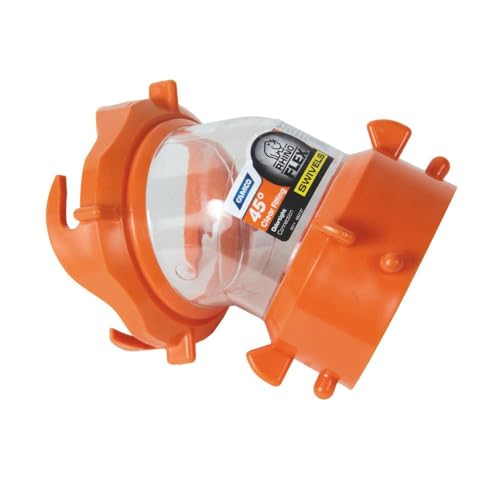
Best for Seeing when the tank is done
Camco RhinoFLEX Clear 45-Degree Sewer Adapter
The clear elbow: the cheapest way to know a black tank is genuinely empty rather than probably empty.

Best for The widely available default
Camco TST MAX RV Holding Tank Treatment
The one you can always find. Dose it when the tank is empty, add water, and most black-tank complaints never start.
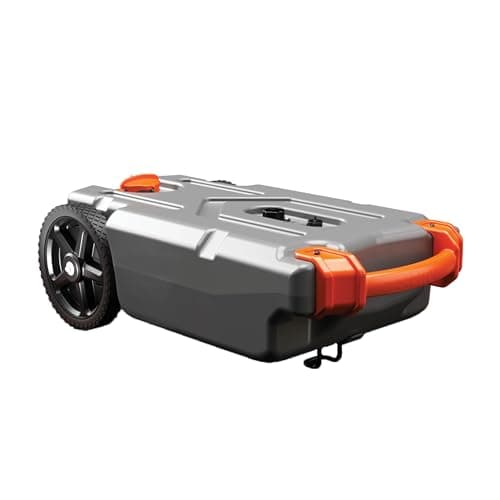
Best for A first tote for a travel trailer
Camco Rhino Portable Waste Tank (21 gallon)
The sensible first tote: big enough to be worth the trip to the dump station, small enough that a full one does not get away from you.
The routine, every time
Once the timing question is settled, the sequence is short and it does not vary.
Gloves on, hose connected at both ends and secured. The elbow should be threaded into the park’s inlet, not balanced in it.
Black valve open, and wait for it to run clear. Not until it stops — until it runs clear. These are different moments.
Rinse if you can. Factory black tank flush if your trailer has one, inline rinser if it does not. Fill, hold, dump, repeat until clean.
Then the gray valve, to rinse the hose.
Close both valves, then add water and treatment to the black tank. A few gallons in the bottom plus a dose. This is the step that decides how the next three days go, and it is the step people skip. Camco TST vs Happy Campers covers which treatment.
Rinse the hose out and stow it. How to clean an RV sewer hose covers doing that without redistributing the problem.
Before you drive, and before you store
Before a long drive: dump both tanks if a station is convenient. Water is heavy, a partly full tank sloshes, and arriving with empty tanks means the first evening at the new site is simple.
Before storage: dump, rinse thoroughly, and leave the tanks empty and the valves closed. Anything left in a tank over winter both smells and freezes. This is part of winterizing a travel trailer.
Questions people actually ask
How often should I dump my RV black tank?
When it is at least two-thirds full rather than on a schedule. Volume is what carries solids out, so a mostly empty tank dumped often leaves more behind than a full tank dumped occasionally. For two people that is often three days to a week, but the fill level is the instruction.
Can I leave the black tank valve open at a full hookup site?
No. An open valve lets liquid drain continuously while solids accumulate permanently, which is the exact failure that tank treatments exist to prevent. Keep the black valve closed between dumps and open it only when the tank is at least two-thirds full.
Should I dump the black tank or the gray tank first?
Black first, then gray. The gray water runs out through the same hose and rinses it on the way, which saves you doing that by hand.
How do I know when my black tank is full if the sensors are wrong?
Count usage against the tank capacity in your owner's manual, and calibrate yourself by watching the clear elbow on the first few dumps. Stuck sensors usually come back after a proper rinse - filling the tank with the valve closed, holding, then dumping.
What do I do if the site has no sewer hookup?
Either move the trailer to the dump station, or use a portable waste tank that you fill from the trailer and wheel or tow to the station. Do not dump gray water on the ground - most parks prohibit it.
What should I do right after dumping?
Close both valves, then put a few gallons of fresh water into the black tank and add the tank treatment dose. A treatment in a dry tank has nothing to work in, and this one step decides how the next few days go.
Sources
Read next
Sewer & Water
How to Flush an RV Black Tank
Black tank flushing with a built-in inlet or an add-on rinser, and why the sensors read wrong.
Sewer & Water
How to Hook Up an RV Sewer Hose (Step by Step)
The full sewer connection and dumping sequence, in order, with the two checks that prevent the story you tell for years.
Sewer & Water
Camco TST vs Happy Campers Tank Treatment
The two holding tank treatments people compare, on form, dosing, heat performance and availability.
Sewer & Water
What Size Portable RV Waste Tank Do I Need?
Choosing a tote tank size by how you will move it, with published capacities, dimensions and empty weights.
Reviewed October 17, 2026. Spot something out of date? Tell us and we will fix it.