How to Winterize a Travel Trailer for Storage
Two things damage a stored trailer: water that freezes where it should not be, and moisture that has nowhere to go. Everything below is one of those two problems.
Heads up: this page contains affiliate links. If you buy through one, Camp & Chock may earn a commission at no extra cost to you. It never changes which product we put first — how this site is funded.

Winterizing a travel trailer is two jobs with one rule each. Get every drop of water out of the plumbing, because water that freezes in a pipe or a pump splits it. Then give the inside of the trailer somewhere for moisture to go, because a sealed damp trailer grows mold over a winter. Everything else — tires, battery, covers, pest exclusion — is worth doing and none of it will cost you a repair the way those two will.
This is part of our first-season starter kit guide, written for a trailer stored outside without power, which is where most first-season trailers spend the winter.
Part one: water out
Work in this order. Each step removes water from somewhere the next one cannot reach.
Draining the water system, in order
| Step | What you do | Why it is in this position |
|---|---|---|
| 1 | Drain and flush the black and gray tanks | Do it before anything else, at a dump station, with water still available |
| 2 | Drain the fresh tank and the water heater | The heater drain plug is the one people forget; it holds gallons |
| 3 | Open every low-point drain and every faucet, hot and cold | Gravity gets most of it out if the air can follow it in |
| 4 | Bypass the water heater | You do not want antifreeze filling a tank you just emptied |
| 5 | Blow the lines out, or pump RV antifreeze through them | Either approach works; antifreeze is the more forgiving one |
| 6 | Pour antifreeze into each drain trap and the toilet bowl | Traps hold standing water that nothing else reaches |
Two notes. Use RV antifreeze, which is the non-toxic pink kind intended for potable systems — not automotive coolant, which is toxic and has no place in a drinking water system. And do not skip the water heater drain: it is the single most common winterizing omission, and a heater tank full of water in a hard freeze is an expensive spring.
If you are also putting the sewer gear away, drain the hose completely and store it dry — the same freezing problem applies to it, and we cover that in best RV sewer hose for cold weather. Before it all goes back into service in the spring, sanitize the fresh system using this walkthrough.
Part two: moisture control
A trailer sealed in October and opened in April has had six months for any trapped moisture to work on soft furnishings, cabinets and the mattress. The result is the smell people describe as the trailer smelling like a trailer, and in a bad case it is mold.
The approach that works without power is passive: absorbers placed through the trailer rather than one device in the middle. Put one in the bathroom, one in the main living area and one in each closed wardrobe, and leave interior doors and drawers open so air can move between them. Lift mattress corners off the platform so the underside is not sealed against it.
Storage gear that earns its place
Passive absorbers through the trailer, a renewable desiccant for closed spaces, and covers so the tires do not spend the winter in the sun.
Best for Cheap winter storage insurance
DampRid Hanging Moisture Absorber
The cheapest storage insurance there is: hang two or three through the trailer in October and forget about them.
Best for Closets and unpowered storage
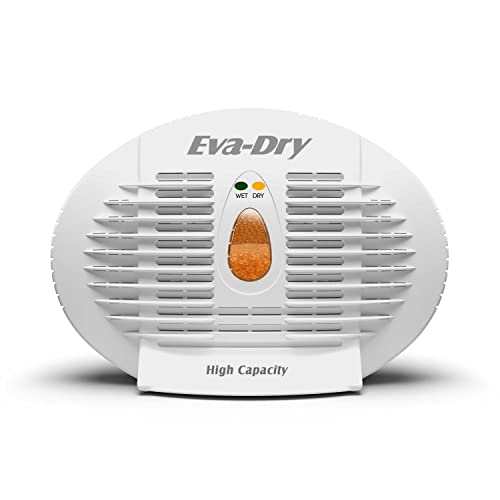
Eva-Dry E-500 Renewable Mini Dehumidifier
A desiccant brick that needs no power while it works. Right for a wardrobe or a stored trailer, not for a whole damp rig.

Best for Covering all four tires in one order
Explore Land RV Tire Covers (4-pack)
The simplest way to cover a tandem-axle trailer: four covers, one order, a drawcord instead of a size gamble. Expect a light fabric for the money.
Best for A snug fit that stays on in wind
Classic Accessories OverDrive RV Wheel Covers (pair)
What to buy if your trailer sits outside in open wind. The elastic hem is the difference between a cover that stays on and one you keep refitting.
Part three: the things that age while it sits
Tires
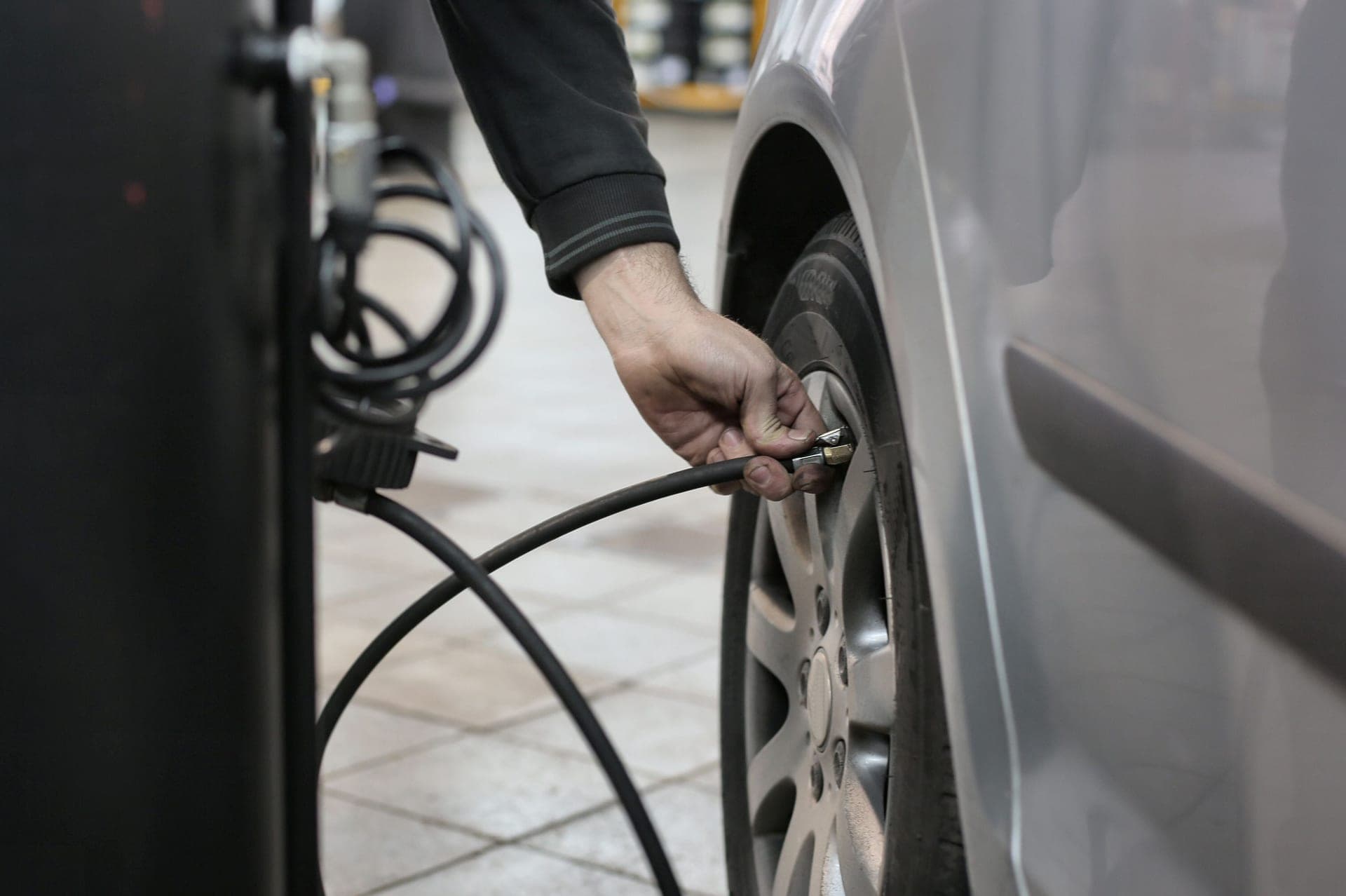
Trailer tires are damaged more by standing than by rolling. Sunlight breaks down the sidewall, and a tire carrying load in one position for six months takes a set. Cover the tires, inflate them to the sidewall pressure before storage rather than after, and move the trailer a few feet mid-winter if you can. Which covers to buy is in best RV tire covers, and the pads under the jacks matter here too — see best RV jack pads.
Battery
A lead-acid battery left connected will be drained by the trailer's standby loads and may freeze while flat. Disconnect it, and if you can, bring it somewhere it will not freeze and keep it topped up over the winter. A battery is the most common thing a first-season owner replaces in the spring for no reason other than storage.
Pests
Everything edible comes out, including things that do not look edible like soap and paper towels. Close the furnace and water heater exterior vents if yours allow it, and look at any gap where a pipe enters the floor. A trailer is a warm dry box in a cold wet field and the local wildlife knows it.
Seals
Walk the roof before you close it up. Cracked sealant around a vent that survives summer will take on six months of rain and snow, and water damage is the one failure on a trailer that compounds quietly. If anything looks cracked, re-seal it before storage rather than after.
If a hard freeze is coming before you can do it properly
The full routine takes an afternoon and weather does not always wait. If you are short of time, the order of damage is clear and you can work down it.
First, the water heater. It holds the largest volume of standing water in the trailer and the drain plug is low down on the outside. Pull it, let it empty, and leave it out. On its own this removes the most expensive single failure.
Second, the low-point drains and every faucet. Open all of them, hot and cold, and leave them open. Gravity gets most of the water out of the lines if air can follow it in, and water that has somewhere to go when it expands does far less damage than water in a sealed pipe.
Third, the fresh tank and the pump. Drain the tank and run the pump briefly with everything open to clear the pump head, which is a common split point.
Then antifreeze when you have time. Blowing the lines or pumping antifreeze through is what finishes the job properly, and it is the step to come back for rather than the step to start with. Traps and the toilet bowl can wait a few days; a full water heater cannot. Our RV antifreeze roundup covers how many gallons a trailer takes, what the −50 F on the jug actually means, and the pump converter kit that does this job properly.
And if you are not storing it at all. Winterizing is for a trailer that is going to sit. If you intend to keep camping through the cold — a seasonal site, a Thanksgiving trip, a hunting weekend — the supply line is the part that freezes while you are using it, and a heated water hose is what keeps the hookup working. That is a different decision from this page, and the two are mutually exclusive: you either drain the system or you keep it flowing.
What to do in the spring
Reverse the order. Close the low-point drains, un-bypass the water heater, fill and sanitize the fresh system, flush the antifreeze through until it runs clear, reconnect the battery, check tire pressures and dates, and look at the roof seals again in daylight. Then go through the setup checklist once in the driveway before the first trip, because six months is long enough to forget the order.
Two parts of this routine have their own answers worth reading before October. The damp question is not solved by the obvious device, because an unpowered trailer in the cold rules out a compressor dehumidifier — see best RV dehumidifier for winter storage. And the covers that go on the tires come in four formats that attach differently, which is the part sellers blur: RV tire covers versus wheel covers.
Questions people actually ask
How do I winterize a travel trailer for storage?
Drain the tanks and the water heater, open every low-point drain and faucet, bypass the heater, then either blow the lines out or pump RV antifreeze through them and pour some into each drain trap. Then place moisture absorbers through the trailer and leave interior doors open.
Do I need to use RV antifreeze?
Either blowing the lines out with air or pumping RV antifreeze through them works. Antifreeze is the more forgiving method because it fills traps and low spots that air can miss. Use the non-toxic pink RV type, never automotive coolant.
What is the most common winterizing mistake?
Forgetting the water heater drain plug. The heater holds gallons that the low-point drains do not reach, and a full heater tank in a hard freeze is an expensive spring repair.
How do I stop a stored camper smelling musty?
Give the moisture somewhere to go. Place absorbers in the bathroom, the living area and each wardrobe rather than one device in the middle, leave interior doors and drawers open, and lift the mattress corners so the underside is not sealed.
Should I cover my RV tires in storage?
Yes. Sunlight degrades the sidewall and a tire sitting in one position for months takes a set. Cover them, inflate to the sidewall pressure before storage, and move the trailer a few feet mid-winter if you have the option.
Should I disconnect the battery for winter?
If there is no power at the storage spot, yes. Standby loads will flatten it over the winter and a flat lead-acid battery can freeze. Where power is available, a maintainer is the better answer.
Sources
Read next
Sewer & Water
Best RV Antifreeze for a Travel Trailer
RV plumbing antifreeze for a first winter: how many gallons, what -50 F really means, and the two tools worth ordering online.
First-Season Starter Kit
Best RV Dehumidifier for Damp Trailers and Winter Storage
Desiccant absorbers versus powered dehumidifiers, matched to camping use and to unpowered winter storage.
First-Season Starter Kit
Best RV Tire Covers for a Travel Trailer
Vinyl, cloth and single-panel tandem covers compared, plus how to measure your tire diameter before you order.
Sewer & Water
How to Sanitize an RV Fresh Water Tank
The full tank sanitizing procedure with dilution guidance from an authority, plus the non-bleach alternatives.
Reviewed October 10, 2026. Spot something out of date? Tell us and we will fix it.