How to Hitch a Travel Trailer (Step by Step)
The order matters and two of the steps are genuinely non-negotiable. Everything else is practice, and practice is free in an empty parking lot.
Heads up: this page contains affiliate links. If you buy through one, Camp & Chock may earn a commission at no extra cost to you. It never changes which product we put first — how this site is funded.
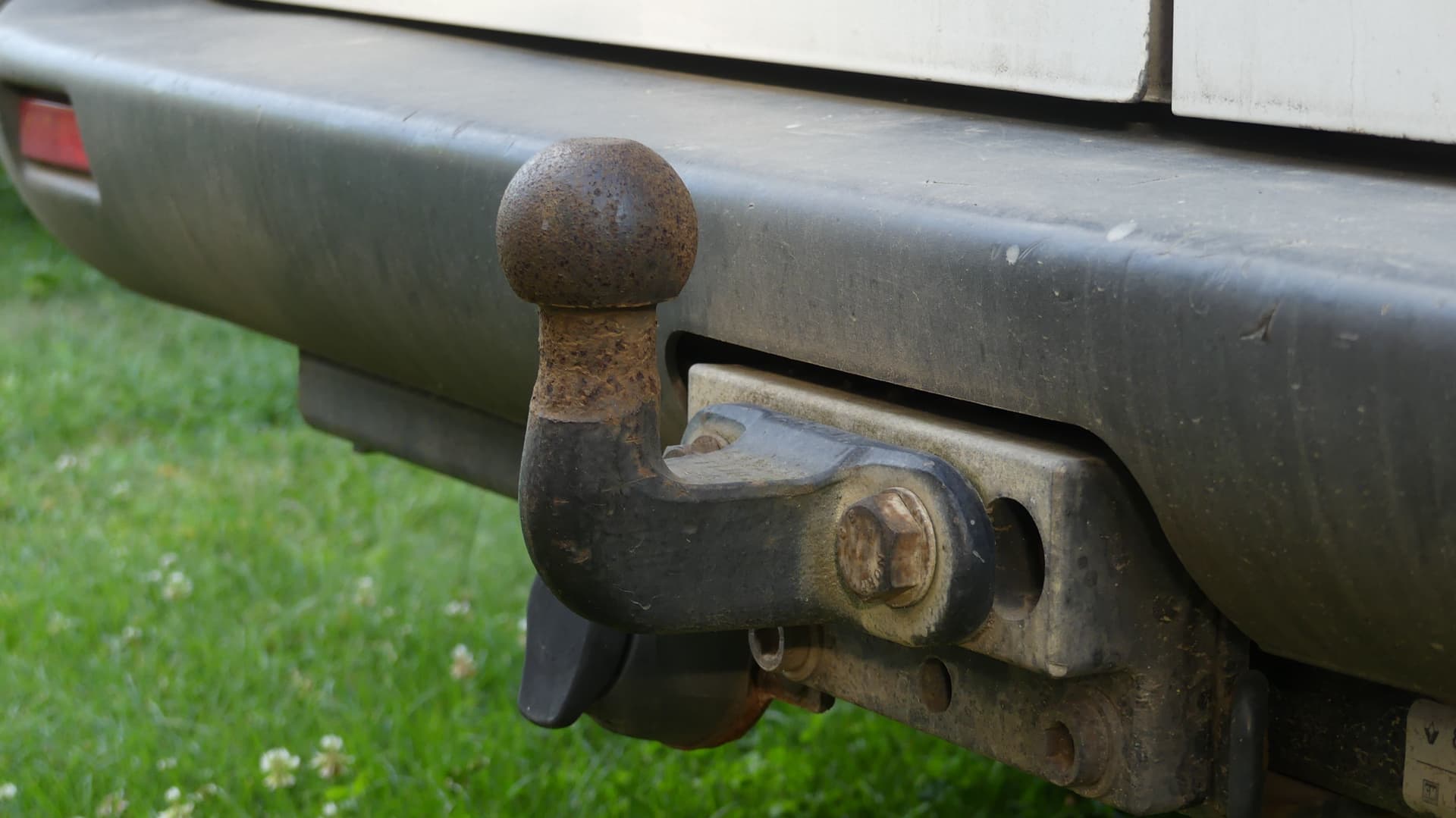
Chock the wheels. Raise the coupler above the ball. Reverse under it. Lower on. Close and pin the latch. Then test by lifting the jack slightly. Those last two steps are the ones that prevent a trailer leaving the ball, and neither takes more than a few seconds.
Part of our towing and security guide.
Before your first time
Practice reversing in an empty lot before you do this for real. Twenty minutes with two cones teaches you which way the trailer goes when you turn the wheel, and it is the single highest-value thing a new tower can do. A camera makes the maneuver easier once you already know that; it does not teach it to you.
What you will need
Wheel chocks, your weight distribution hitch if you use one, and a spotter if you can get one. Gloves are worth having for the chains.
The gear that goes with this
A weight distribution hitch sized to your tongue weight, a locking receiver pin instead of the clip, and a tire monitor so the trailer can tell you something is wrong.
Best for Sway control built in
Equal-i-zer 4-Point Sway Control Hitch
Weight distribution with sway control built in rather than bolted on. Size it to your real tongue weight and let a shop set it up once.
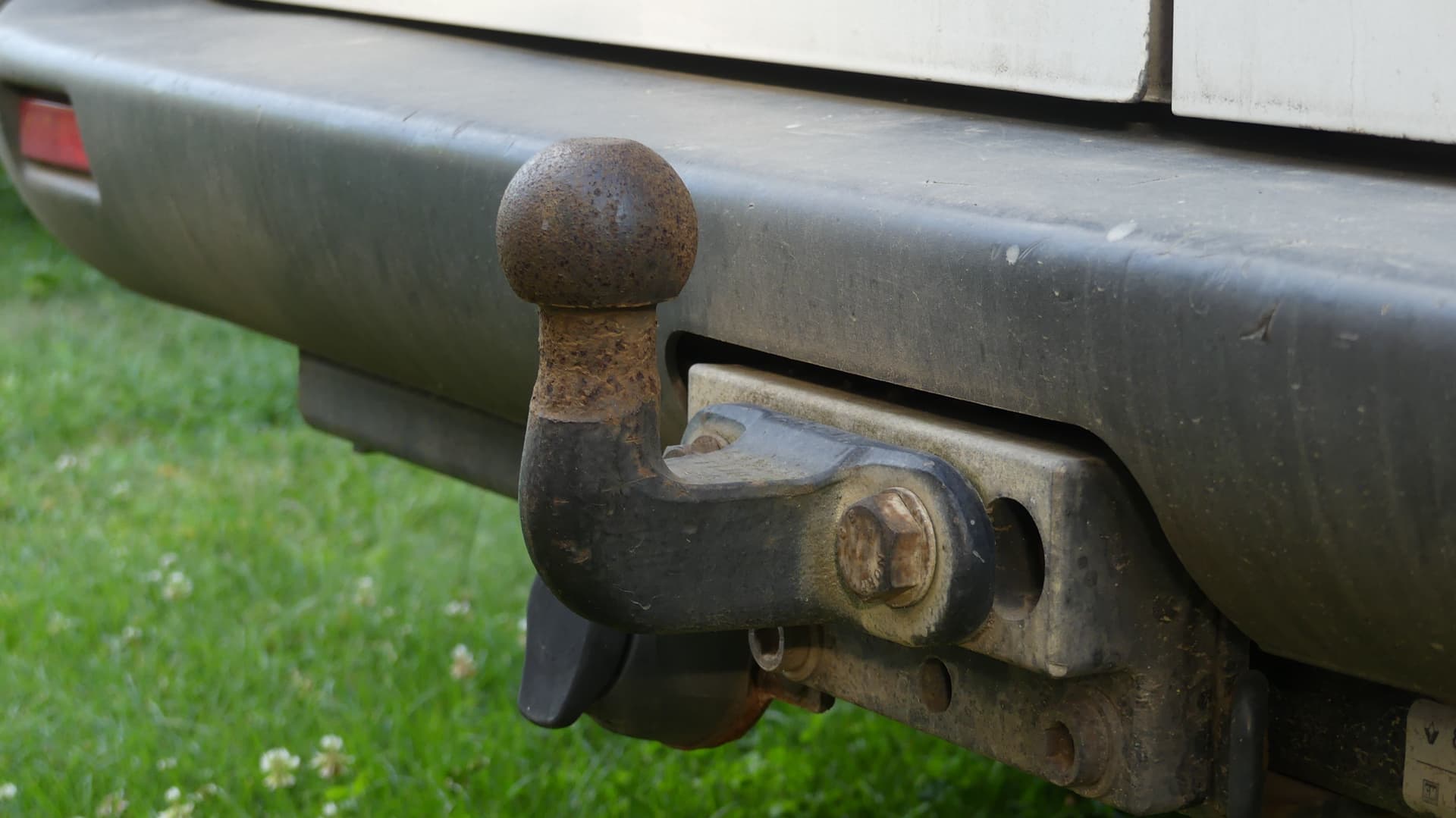
Best for Keeping the ball mount
Master Lock Receiver Hitch Pin Lock
Replaces the clip pin anyone can pull out in a parking lot. It protects the ball mount, not the trailer.
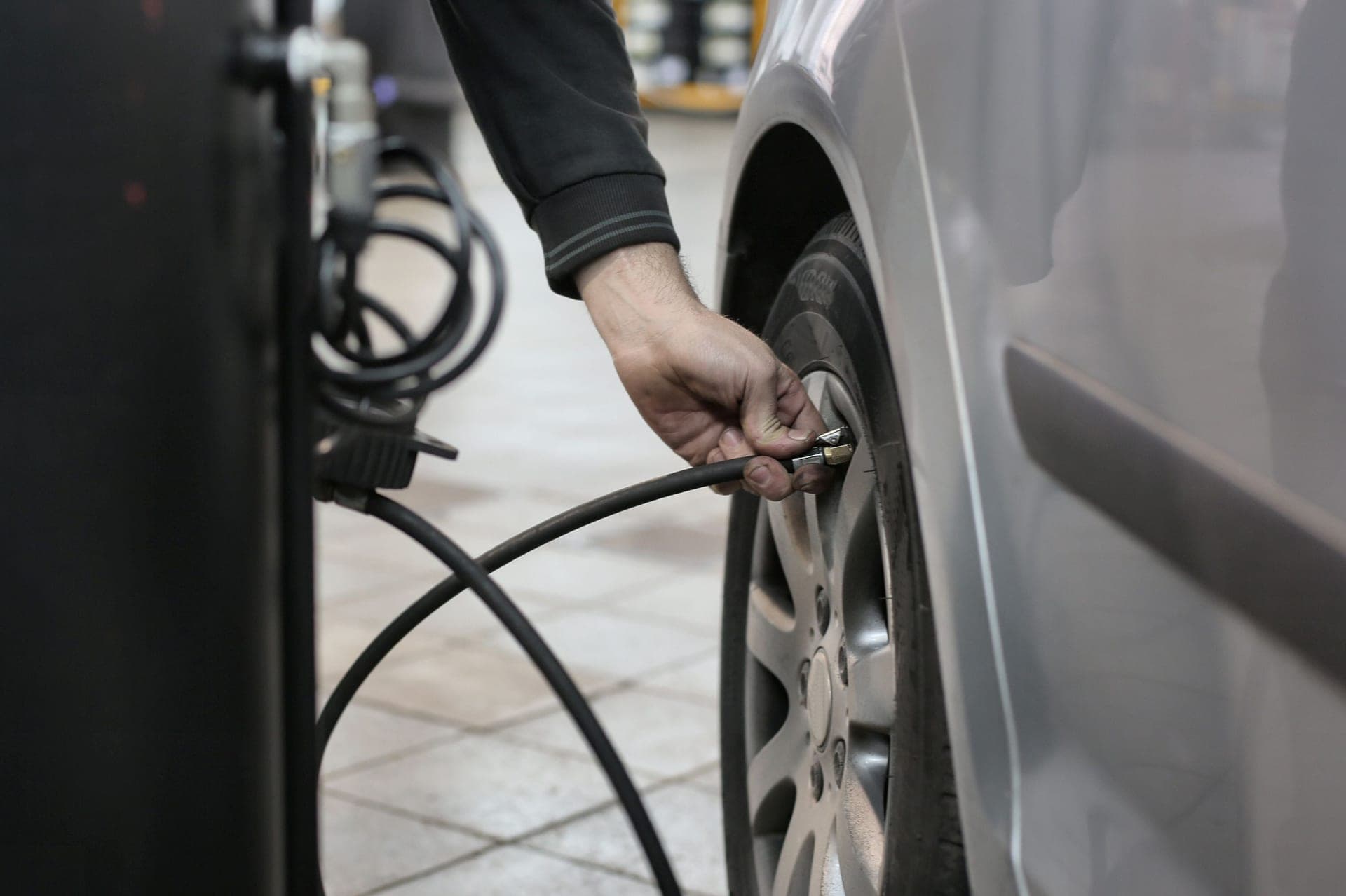
Best for Knowing before the blowout
TST 507 Tire Pressure Monitoring System
The only warning you get before a trailer tire fails, because a trailer gives you no feedback through the steering wheel.
The two steps that are non-negotiable
Close and pin the latch
A closed coupler latch holds the coupler onto the ball. An unpinned latch can vibrate open. A pin, a clip, or a small padlock through the latch hole is what stops that, and it takes two seconds.
A trailer that comes off a ball at speed is stopped only by the safety chains, which is why the chains matter too. But the latch pin is what stops it happening.
Test it by lifting
After the latch is closed and pinned, wind the tongue jack down a few turns so it is pushing against the ground.
If the back of the tow vehicle rises, the coupler is seated and captured. That is the pass.
If the trailer lifts off the ball, the coupler is not captured. Lower it, open the latch, and start again. This is the single check that catches a coupler resting on top of a ball rather than around it, which is what happens when the ball size is wrong or the latch closed on the wrong side of the ball.
Safety chains, done correctly
Cross them. Left chain to the right attachment point and right chain to the left, so they form an X under the coupler. If the coupler ever drops, the crossed chains cradle the tongue instead of letting it hit the road.
Get the slack right. Enough that a tight turn does not pull them taut, not so much that they touch the ground. Chains dragging on asphalt wear through, and a worn chain is not a chain.
Attach to the vehicle, not the ball mount. The chains exist for the case where the ball mount assembly fails. Attaching them to it defeats the purpose.
General towing safety guidance is published by NHTSA, and it is worth a read before your first long trip.
The breakaway cable
The thin cable with a pin on the end is the trailer's emergency brake. If the trailer separates, the pin pulls out and the trailer's brakes apply.
It attaches to the tow vehicle, not to the ball mount and not to a safety chain. Attaching it to the part that might come off is a mistake we see regularly, and it makes the system useless in exactly the scenario it exists for.
Order of operations, and why
| Step | Why it is in this position |
|---|---|
| Chock the wheels first | The trailer must not move while you work around it |
| Raise the coupler above the ball | So you can reverse underneath rather than into it |
| Lower onto the ball, then latch | Weight seats the coupler before it is captured |
| Latch and pin before anything else | This is the connection. Everything after is backup |
| Test with the jack before the bars | You want to find a bad connection before adding tension |
| Chains and breakaway after the bars | They need the final geometry to be right |
| Chocks out last | Everything is connected before the trailer is free to move |
Unhitching is the reverse, with one addition
Chock the wheels first, then release the weight distribution bars, then the chains and breakaway and electrical connector, then open the latch, then wind the tongue jack down to lift the coupler off the ball.
The addition is the coupler lock. Fit it once the trailer is off the ball and settled, before you drive away. The full arrival routine, including leveling, is in the setup checklist.
What goes wrong
Forgetting the latch pin. The one that matters most.
Skipping the lift test. It takes four seconds and it catches a coupler resting on a ball rather than around it.
Chains uncrossed, or attached to the ball mount. Both defeat the purpose.
Breakaway cable clipped to a safety chain. Common, and wrong. It goes to the vehicle.
Driving off with the tongue jack down. Retract it fully. A jack foot catching a curb is expensive.
Leaving the chocks in. Then you feel the trailer resisting and wonder why. Chocks out last, after everything is connected.
Questions people actually ask
How do I know the trailer is properly hitched?
Close and pin the latch, then wind the tongue jack down a few turns. If the back of the tow vehicle rises, the coupler is seated and captured. If the trailer lifts off the ball, it is not.
Why do safety chains need to be crossed?
So that if the coupler drops off the ball, the crossed chains form a cradle under the tongue instead of letting it hit the road.
Where does the breakaway cable attach?
To the tow vehicle, never to the ball mount or a safety chain. It exists for the case where the ball mount assembly fails, so attaching it there makes it useless.
How much slack should safety chains have?
Enough that a tight turn does not pull them taut, and not enough for them to touch the ground. Chains dragging on asphalt wear through and stop being chains.
Do I chock the wheels before hitching?
Yes. Chocks go in before you start and come out last, once everything is connected. Until then the trailer must not be free to move while you work around it.
What order do I do everything in?
Chock, raise the coupler, reverse under, lower on, latch and pin, lift test, weight distribution bars, crossed chains, breakaway cable, lights, retract the jack, remove the chocks.
Sources
Read next
Towing & Security
RV Towing Safety Checklist
A pre-departure towing checklist covering hitch, chains, brakes, tires, loading and the rooftop items people forget.
Towing & Security
Best Weight Distribution Hitch for a Travel Trailer
Weight distribution hitches with integrated sway control, sized by tongue weight, with an honest account of setup complexity.
Towing & Security
Best RV Backup Camera for a Travel Trailer
Backup cameras for a travel trailer, split by whether your rig has a pre-wired factory mount.
First-Season Starter Kit
RV Setup and Departure Checklist
The arrival and departure sequence for a travel trailer, in the order that avoids redoing work or damaging something.
Reviewed September 25, 2026. Spot something out of date? Tell us and we will fix it.